Ceramic Water Filter Systems: A Reliable and Eco-Friendly Solution for Clean Drinking Water
Ceramic water filters have been around for centuries, providing a reliable and eco-friendly solution for clean drinking water. In this article, we'll explore the benefits and disadvantages of ceramic water filters, and why they're an attractive option for homeowners and outdoor enthusiasts alike.
What are Ceramic Water Filter Systems?
Ceramic water filters use a porous ceramic media to physically block impurities from passing through. The fine pores in the ceramic provide mechanical filtration, while an inner layer of activated carbon helps improve the taste of the water. Ceramic filters are a popular choice for water filtration due to their effectiveness against certain impurities and their eco-friendly design.
Benefits of Ceramic Water Filter Systems
- Effective against bacteria and sediment: Ceramic filters are effective against bacteria, sediment, and other impurities that can contaminate drinking water.
- Easy to use and maintain: Ceramic filters are simple to use and maintain, with minimal plumbing required.
- Long-lasting: Ceramic filters have a long lifespan and require fewer filter replacements than other filtration systems.
- Eco-friendly: Ceramic filters are a sustainable option for water filtration, as they can be reused and recycled.
Disadvantages of Ceramic Water Filter Systems
- Slow water flow: Ceramic filters can have a slow water flow rate, which may be a concern for households with high water demands.
- Limited capacity: Ceramic filters have a limited capacity and may require frequent cleaning or replacement.
- Requires regular maintenance: Ceramic filters require regular maintenance to ensure optimal performance.
Types of Ceramic Water Filter Systems
Ceramic water filters come in various forms, including:
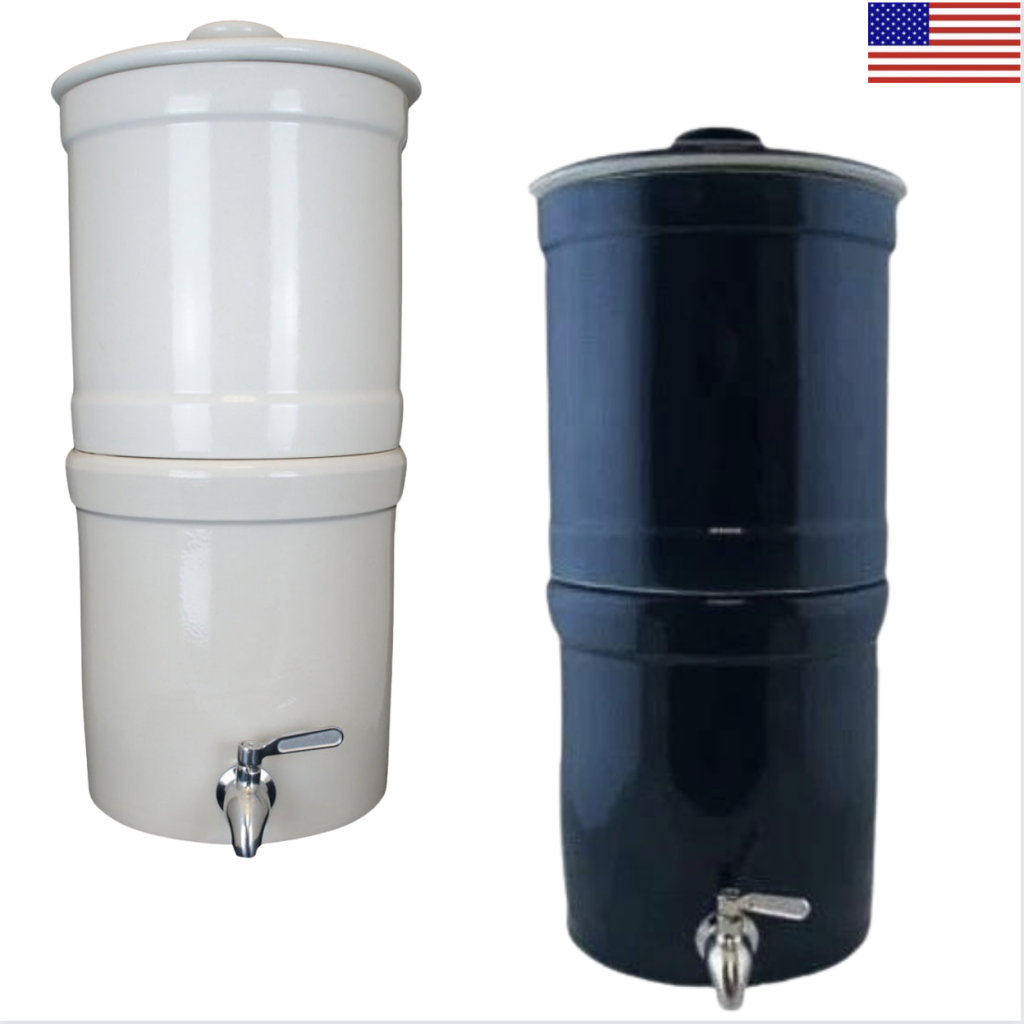
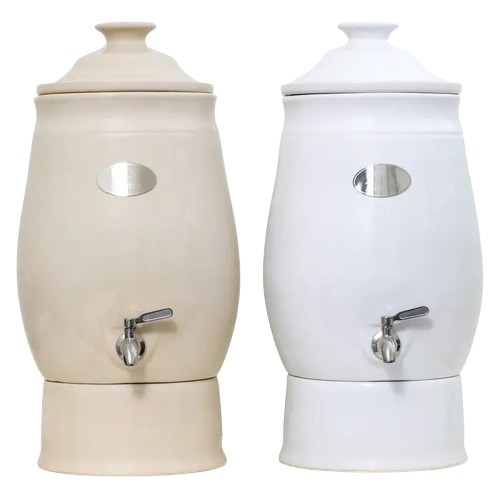
- Gravity-fed systems: Gravity-fed systems use the force of gravity to push water through the ceramic filter.
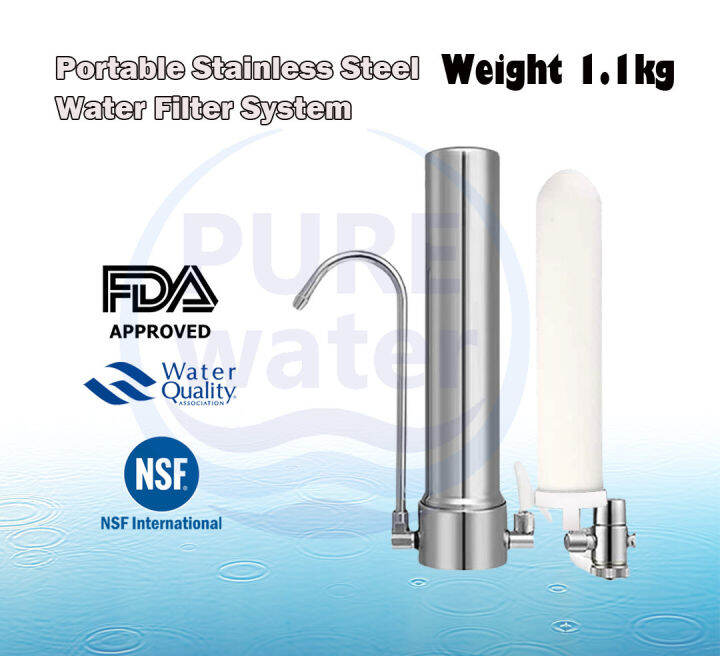
- Under-sink systems: Under-sink systems can be installed under a kitchen sink and provide filtered water directly to a faucet. li>Countertop systems: Countertop systems can be placed on a kitchen counter and provide filtered water without the need for plumbing installation.

Choosing the Right Ceramic Water Filter System
When selecting a ceramic water filter system, consider the following factors:
- Filter quality: Look for a filter that can remove a wide range of impurities and contaminants.
- Flow rate: Consider the flow rate of the filter to ensure it meets your household's water demands.
- Maintenance requirements: Choose a filter that requires minimal maintenance and has a long lifespan.
Conclusion
Ceramic water filter systems are a reliable and eco-friendly solution for clean drinking water. With their effectiveness against impurities, ease of use, and long lifespan, ceramic filters are an attractive option for homeowners and outdoor enthusiasts alike. When selecting a ceramic water filter system, consider the filter quality, flow rate, and maintenance requirements to ensure optimal performance.
Top Ceramic Water Filter Brands
Several brands offer high-quality ceramic water filters, including:
- AquaCera: AquaCera offers a complete line of drinking water systems, including ceramic filters.
- VEVOR: VEVOR offers a range of ceramic water filters, including gravity-fed and under-sink systems.
- TerraClear: TerraClear offers a zero-emissions point-of-use ceramic water purification system.
Final Thoughts
Ceramic water filter systems are a reliable and eco-friendly solution for clean drinking water. With their effectiveness against impurities, ease of use, and long lifespan, ceramic filters are an attractive option for homeowners and outdoor enthusiasts alike. By considering the filter quality, flow rate, and maintenance requirements, you can choose the right ceramic water filter system for your needs.