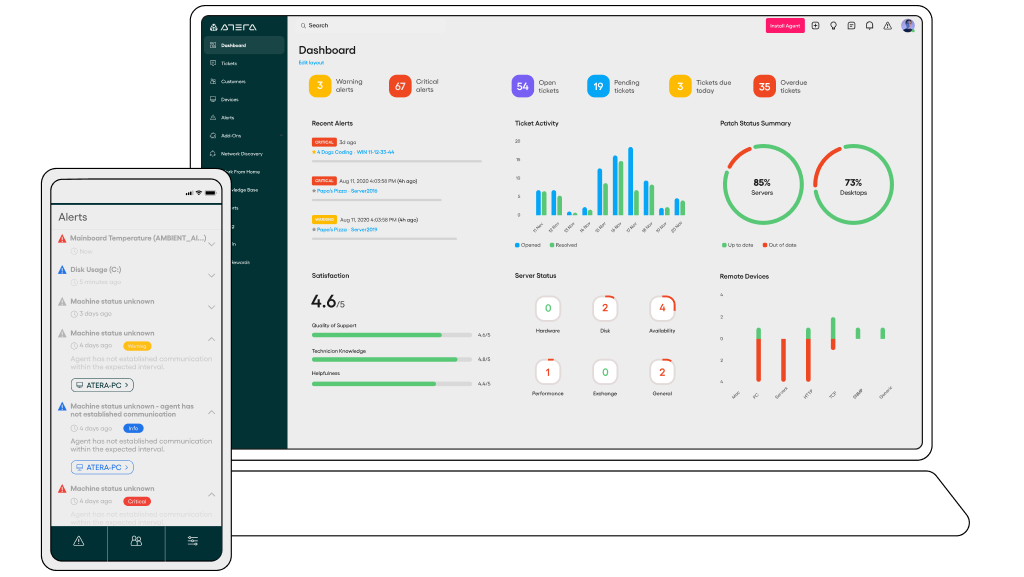
Building a Remote Management Performance Dashboard: Unlocking the Secrets to Efficient Team Management
With the rapid shift towards remote work, managing a dispersed workforce has become a significant challenge for organizations worldwide. In this era of digital transformation, having a clear understanding of your team's performance is crucial to ensure smooth operations, enhanced productivity, and improved job satisfaction. A remote management performance dashboard is an effective solution to achieve this visibility, allowing you to monitor and optimize your remote team's performance from a single platform.
Why Remote Management Performance Dashboards Matter
Remotework environments generate vast amounts of data from various tools and systems, including project management platforms, communication tools, and time-tracking systems. However, this data is scattered across different sources, making it challenging for businesses to gain a comprehensive understanding of their team's performance. This is where a remote management performance dashboard comes in – providing a centralized system to collect, analyze, and visualize critical metrics, enabling organizations to make data-driven decisions that drive success.
Key Performance Indicators (KPIs) for a Remote Management Performance Dashboard
- Employee Productivity Rate: Measures the output generated per employee during remote work hours
- Employee Satisfaction Score: Provides direct feedback on employee experience through surveys.
Building a Remote Management Performance Dashboard
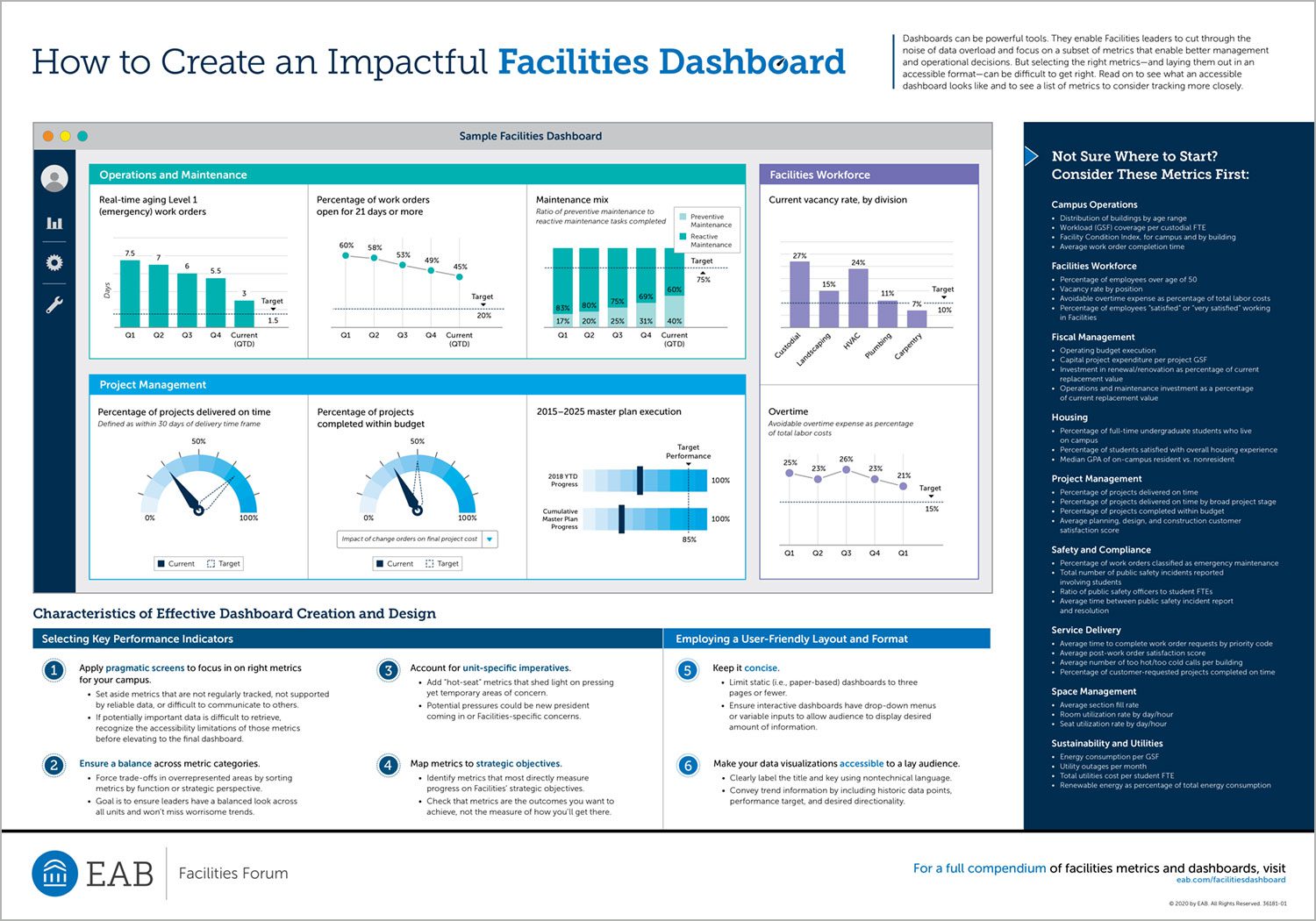
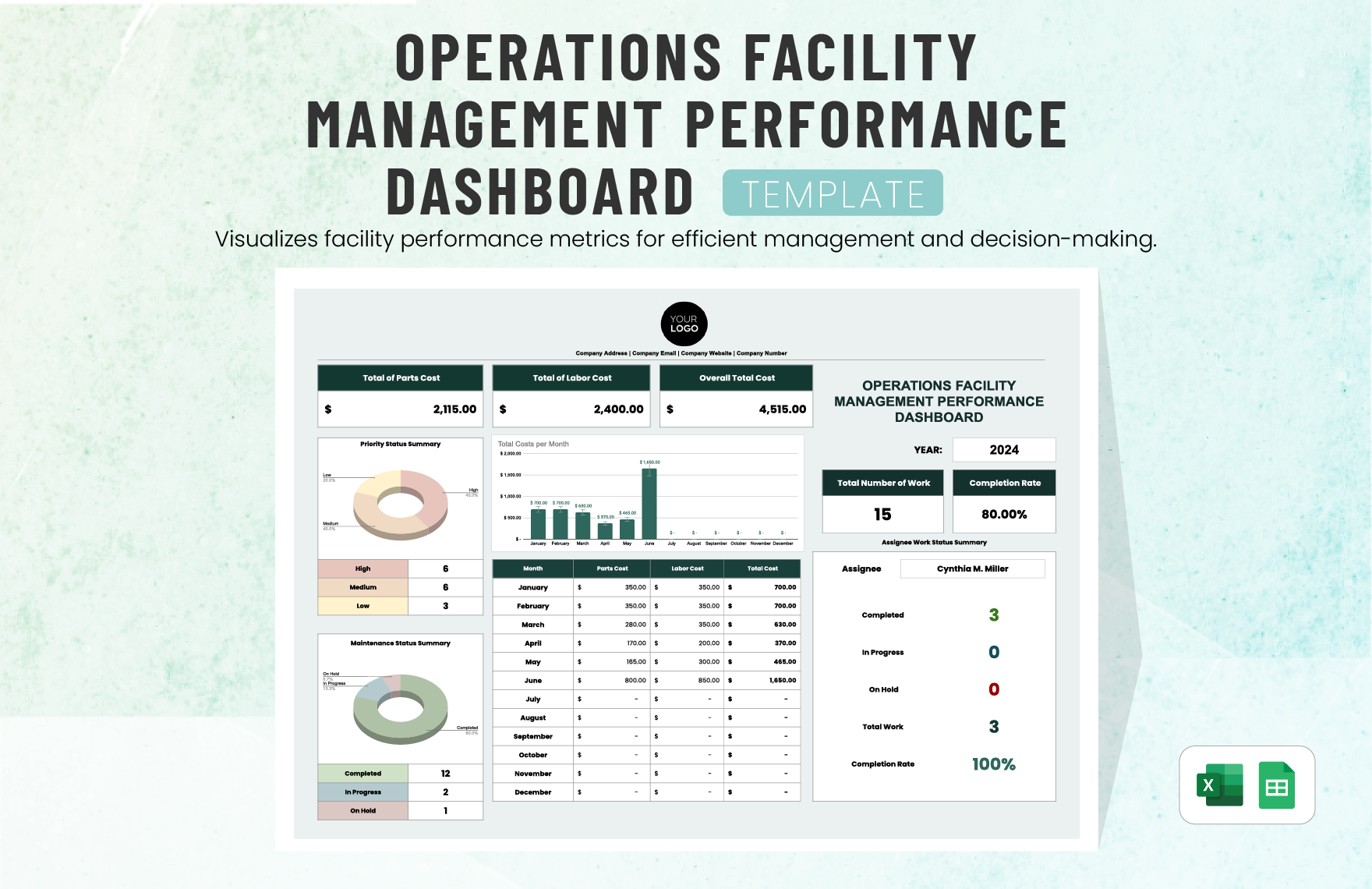
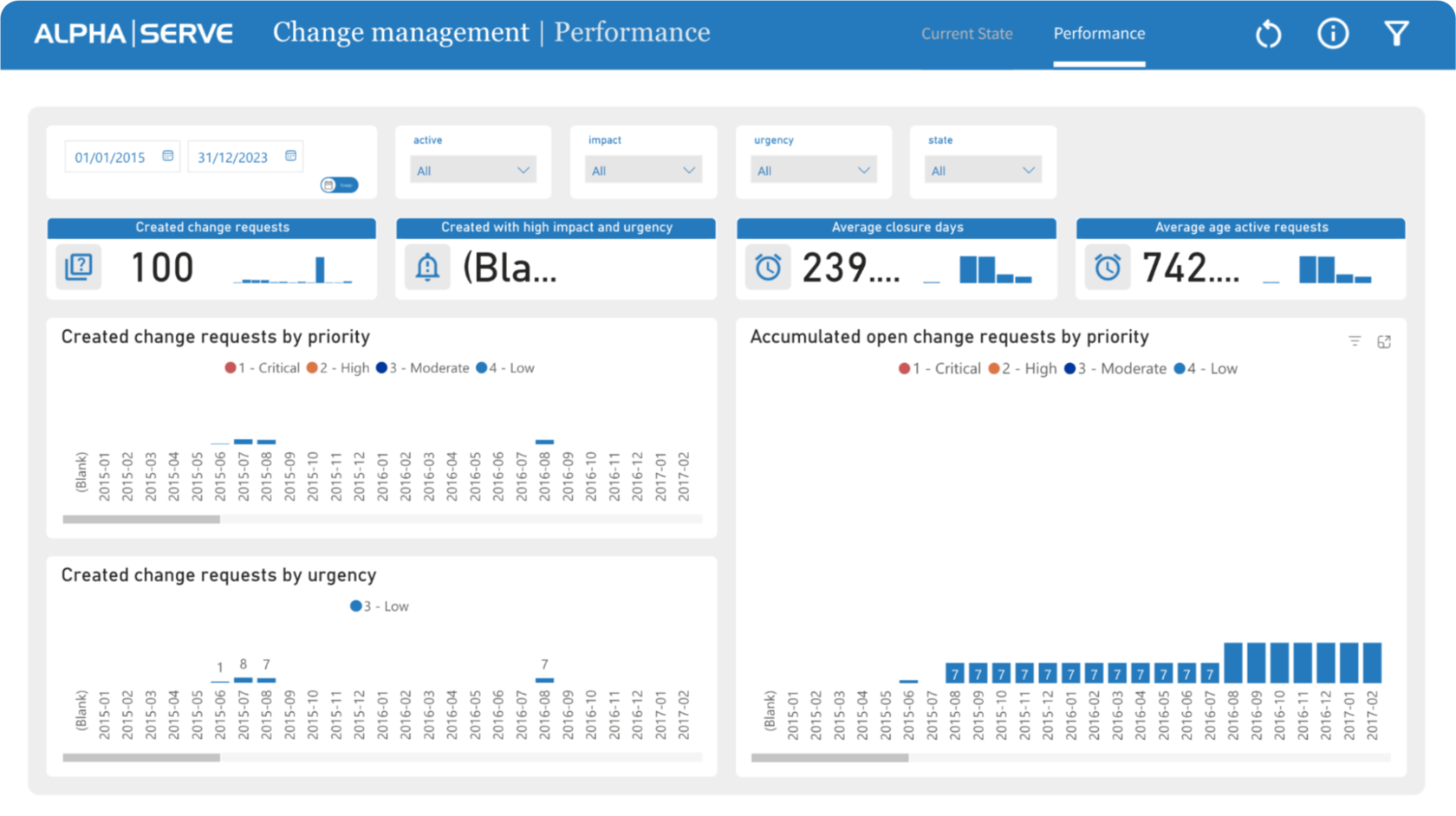
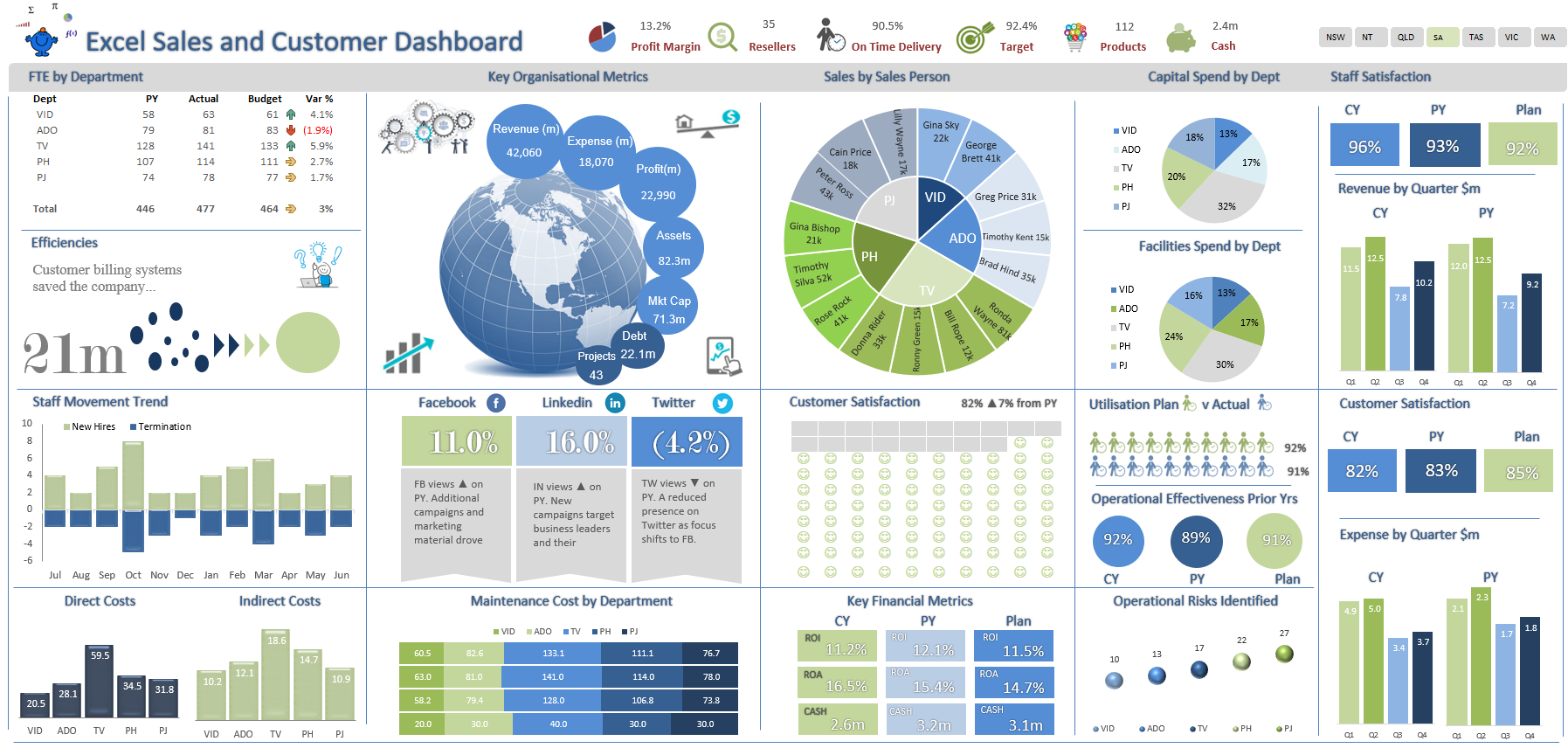
A well-crafted remote management performance dashboard should be designed to provide real-time insights into remote team performance, enabling leaders to make informed decisions and drive strategic growth. Here are the essential components to consider when building your dashboard:
Data Collection and Integration
Collect data from various tools and systems used by your remote team, such as project management platforms, communication tools, and time-tracking systems. Integrate these sources into your dashboard for a comprehensive view of team performance.
Customizable and Dynamic Design
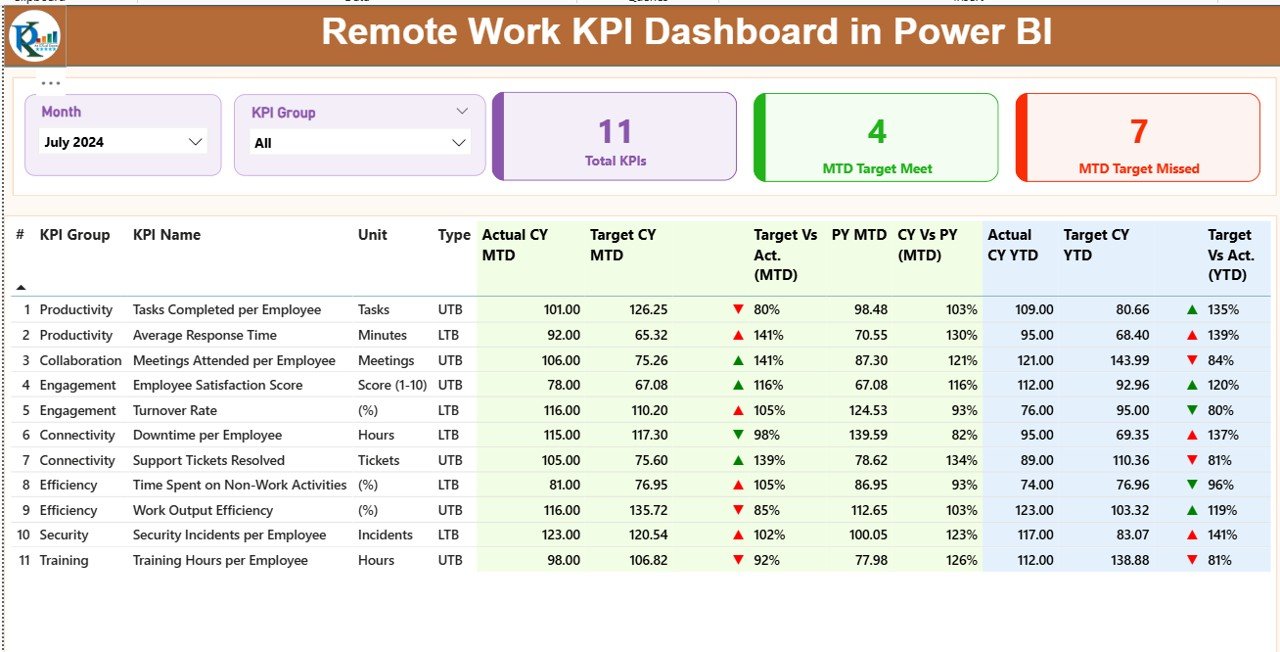
Ensure your dashboard is user-friendly, customizable, and adaptable to your business needs. A dynamic design will allow you to tailor the layout and features to suit your organization's goals and priorities.
Real-Time Insights and Alerts
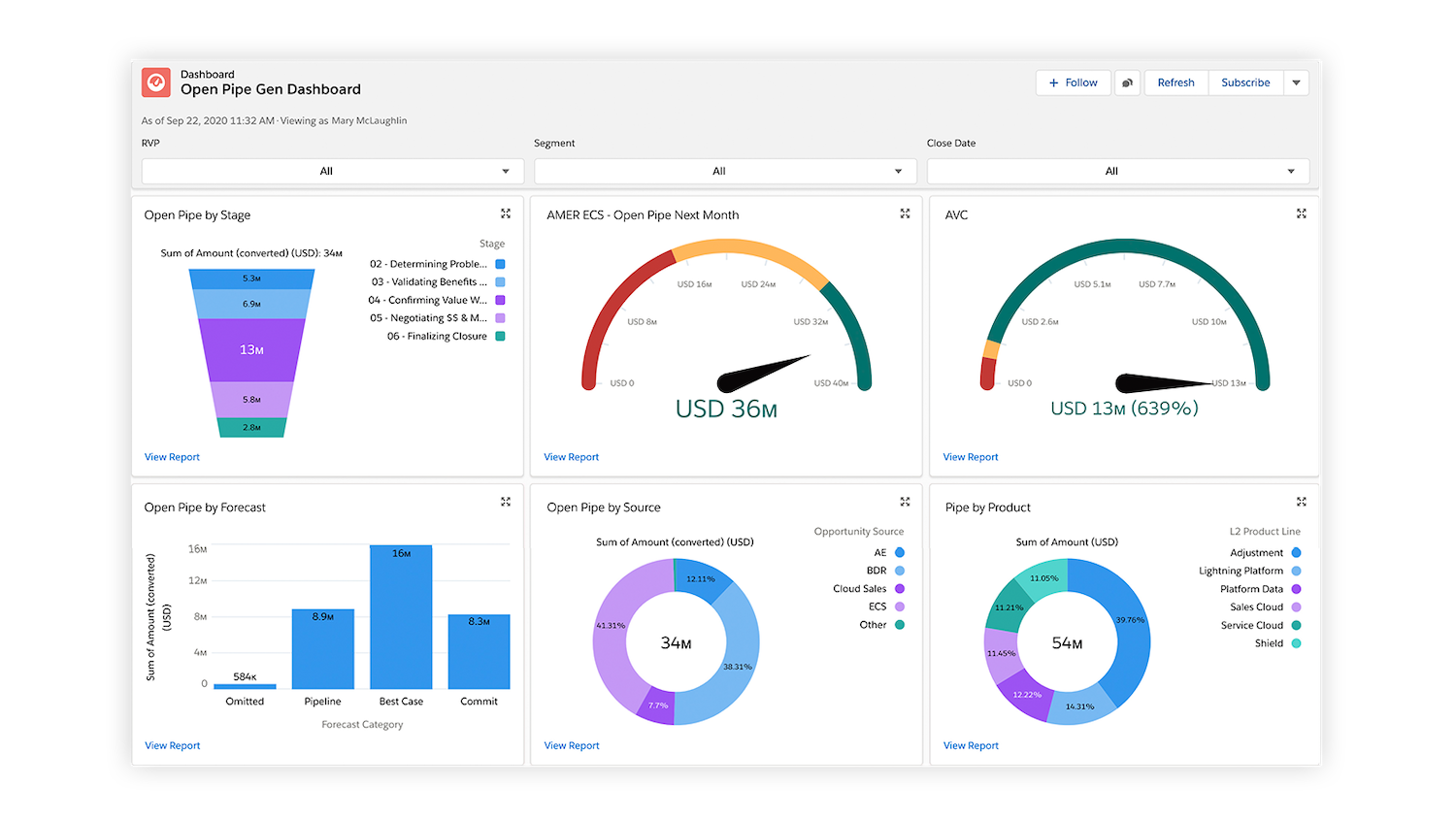
Provide real-time updates on key performance indicators, allowing leaders to identify trends, track progress, and make data-driven decisions. Set up alerts and notifications to notify stakeholders of critical performance changes or anomalies.
Collaboration and Feedback
Enable seamless collaboration among team members, leaders, and stakeholders by incorporating features that facilitate feedback, discussions, and goal-setting. Encourage a culture of open communication to foster a productive and engaged remote team.
Best Practices for a Successful Remote Management Performance Dashboard
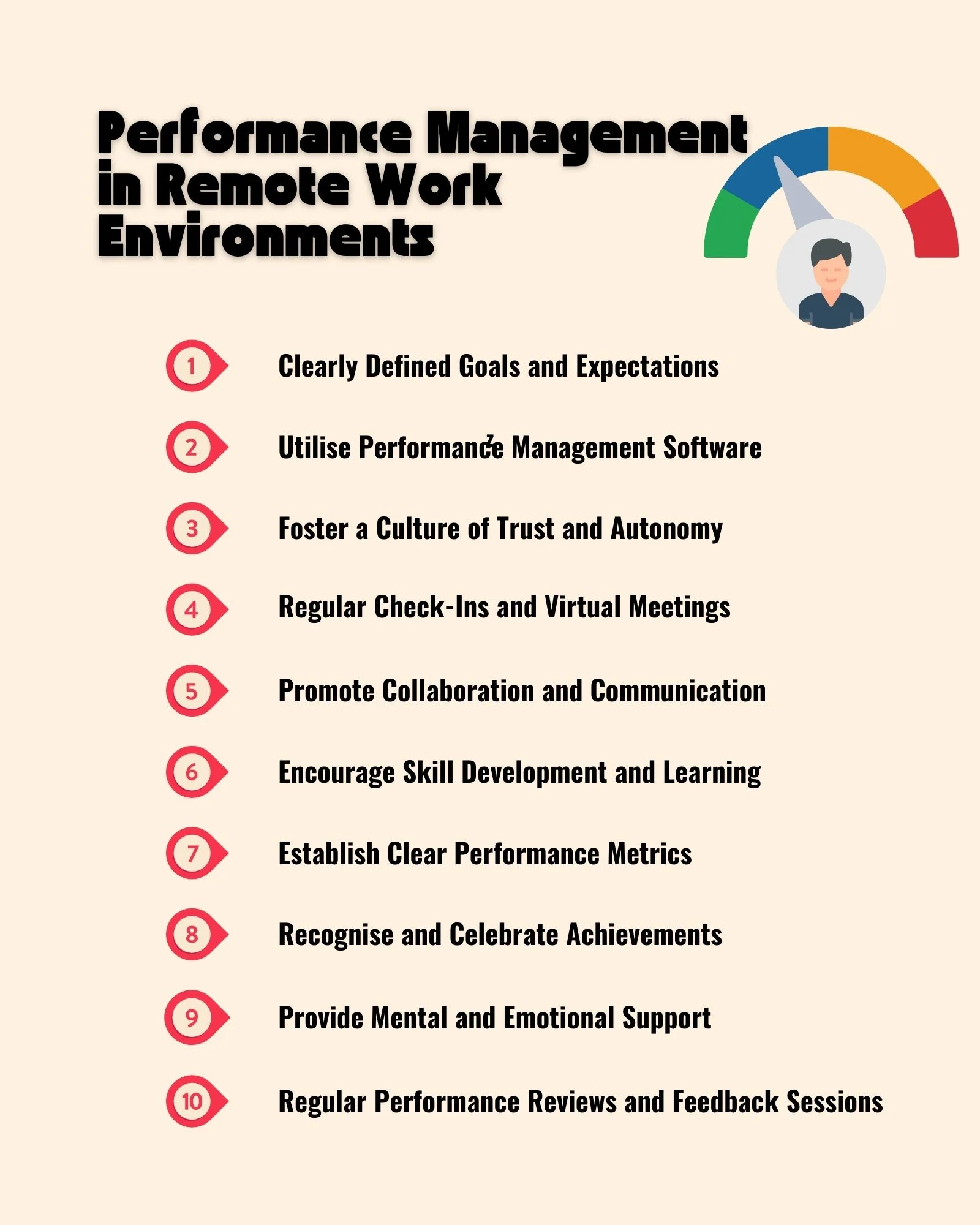
- Establish clear goals and objectives for your remote team and communicate them effectively.
- Regularly review and update your dashboard to ensure it remains relevant and aligned with changing business needs.
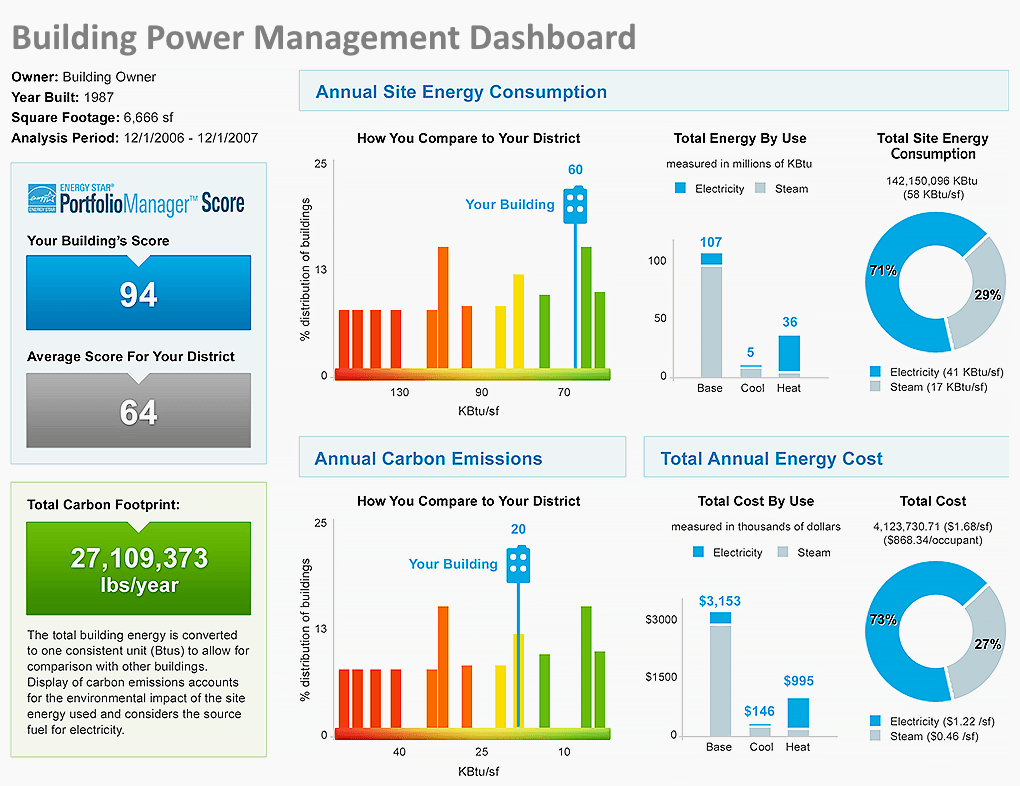
- Use visualizations and insights to drive informed decision-making and strategic growth.
- Continuously monitor and improve employee satisfaction and productivity rates.
Conclusion
In today's fast-paced business landscape, a remote management performance dashboard is a vital tool for organizations seeking to optimize remote team management. By incorporating the essential components and best practices outlined above, you'll be well on your way to building a dashboard that drives performance, efficiency, and productivity. Unlock the full potential of your remote team by harnessing the power of a seamless performance management system – and watch your organization thrive in the era of remote work.