AI System Upgrade Planning Audit: A Comprehensive Guide for Internal Auditors
As artificial intelligence (AI) continues to transform businesses, internal auditors are facing new challenges in ensuring the effective implementation and monitoring of AI systems. An AI system upgrade planning audit is a critical process that helps organizations assess the readiness of their AI systems for upgrades and identify potential risks and opportunities. In this article, we will provide a comprehensive guide for internal auditors on conducting an AI system upgrade planning audit.Why Conduct an AI System Upgrade Planning Audit?
An AI system upgrade planning audit is essential for organizations to ensure that their AI systems are functioning efficiently and effectively. With the increasing adoption of AI, organizations are facing new risks and challenges, such as data breaches, bias in AI decision-making, and lack of transparency in AI decision-making processes. A thorough audit can help identify these risks and provide recommendations for improvement.Key Steps in Conducting an AI System Upgrade Planning Audit
Conducting an AI system upgrade planning audit involves several key steps:- Determine the scope of the audit: Identify the AI systems that need to be audited and the specific objectives of the audit.
- Inventory AI systems**: Identify and document all AI systems used by the organization, including their functionality, data sources, and dependencies.
- Map AI systems to business processes**: Identify the business processes that rely on AI systems and assess the impact of AI system upgrades on these processes.
- Assess risks and opportunities**: Identify potential risks and opportunities associated with AI system upgrades, such as data breaches, bias in AI decision-making, and opportunities for process improvements.
- Develop recommendations**: Provide recommendations for improving the AI systems, including upgrades, modifications, and new implementations.
- Evaluate the effectiveness of controls**: Assess the effectiveness of controls in place to ensure the security, integrity, and availability of AI systems.
Best Practices for Conducting an AI System Upgrade Planning Audit
- Stay up-to-date with the latest AI technologies and trends**: Internal auditors should have a basic understanding of AI technologies and trends to effectively assess AI systems.
- Use a risk-based approach**: Focus on high-risk areas and prioritize audits based on risk levels.
- Involve stakeholders**: Engage with stakeholders, including business leaders, IT professionals, and subject matter experts, to gather insights and ensure that the audit is comprehensive.
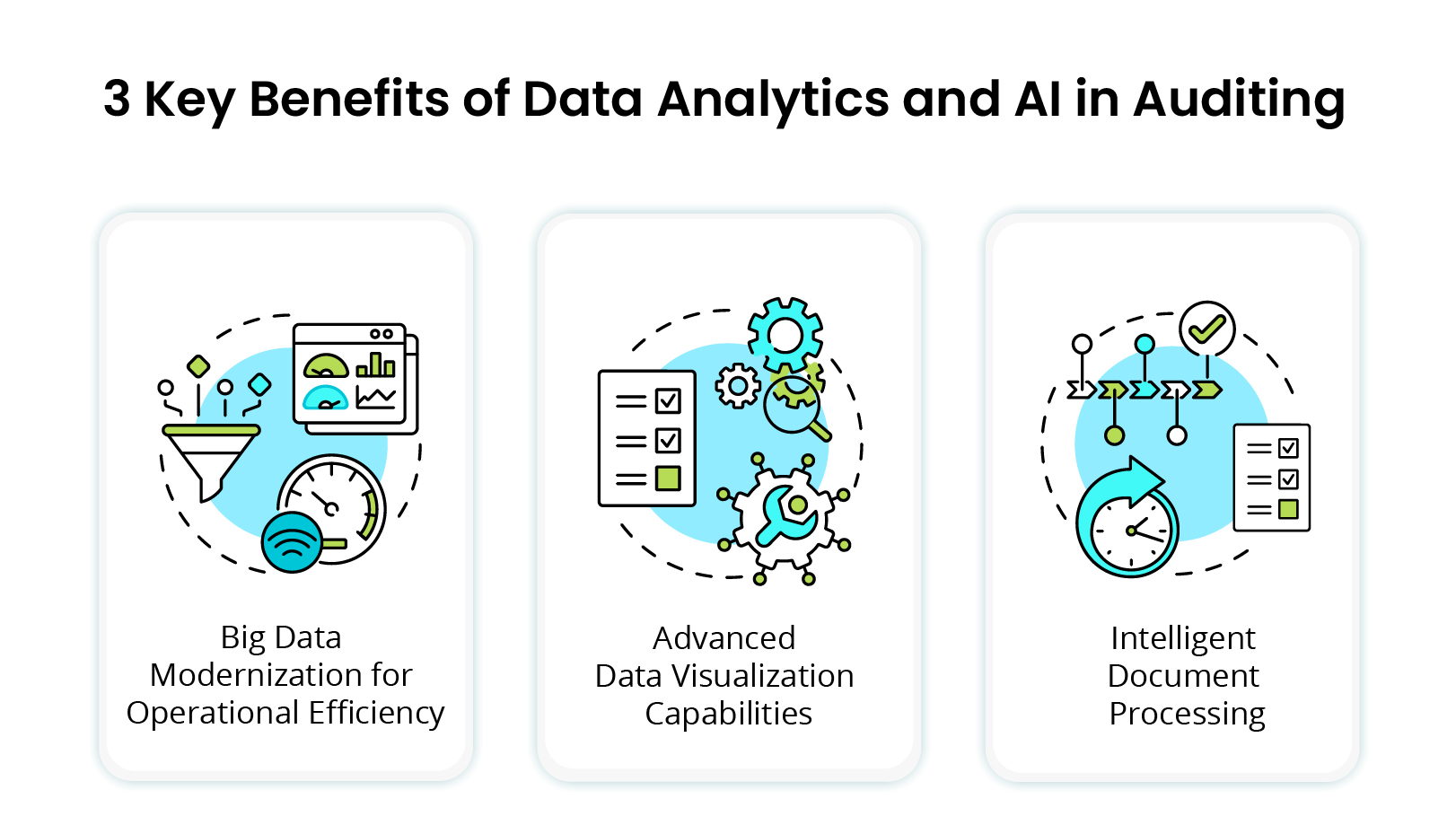
- Use data analytics**: Leverage data analytics tools to identify trends, patterns, and anomalies in AI system performance.
Tools and Resources for Conducting an AI System Upgrade Planning Audit
Internal auditors can use various tools and resources to conduct an AI system upgrade planning audit, including:- AI audit software**: Utilize specialized software designed for AI audits, such as AI audit templates and risk assessment tools.
- Machine learning and data analytics tools**: Leverage machine learning and data analytics tools to analyze AI system performance and identify trends.
- Expert advisory services**: Engage with external experts who have experience in AI auditing and can provide guidance and support.