Sustainable Smart Home Devices: The Future of Eco-Friendly Living
In today's world, where climate change and environmental degradation are pressing issues, the adoption of eco-friendly smart home devices is a proactive step towards sustainable living. These devices not only contribute to reducing energy and water consumption but also enhance the comfort and security of our homes.
What are Sustainable Smart Home Devices?
Sustainable smart home devices are advanced technologies that prioritize energy efficiency, resource conservation, and sustainability. They are designed to optimize energy usage, automate everyday functions, and provide real-time monitoring and control of various aspects of our homes.
Benefits of Sustainable Smart Home Devices
- Energy Efficiency: Sustainable smart home devices help reduce energy consumption by optimizing lighting, temperature, and water usage.
- Water Conservation: Advanced water sensors and smart irrigation controllers ensure that water is used efficiently and effectively.
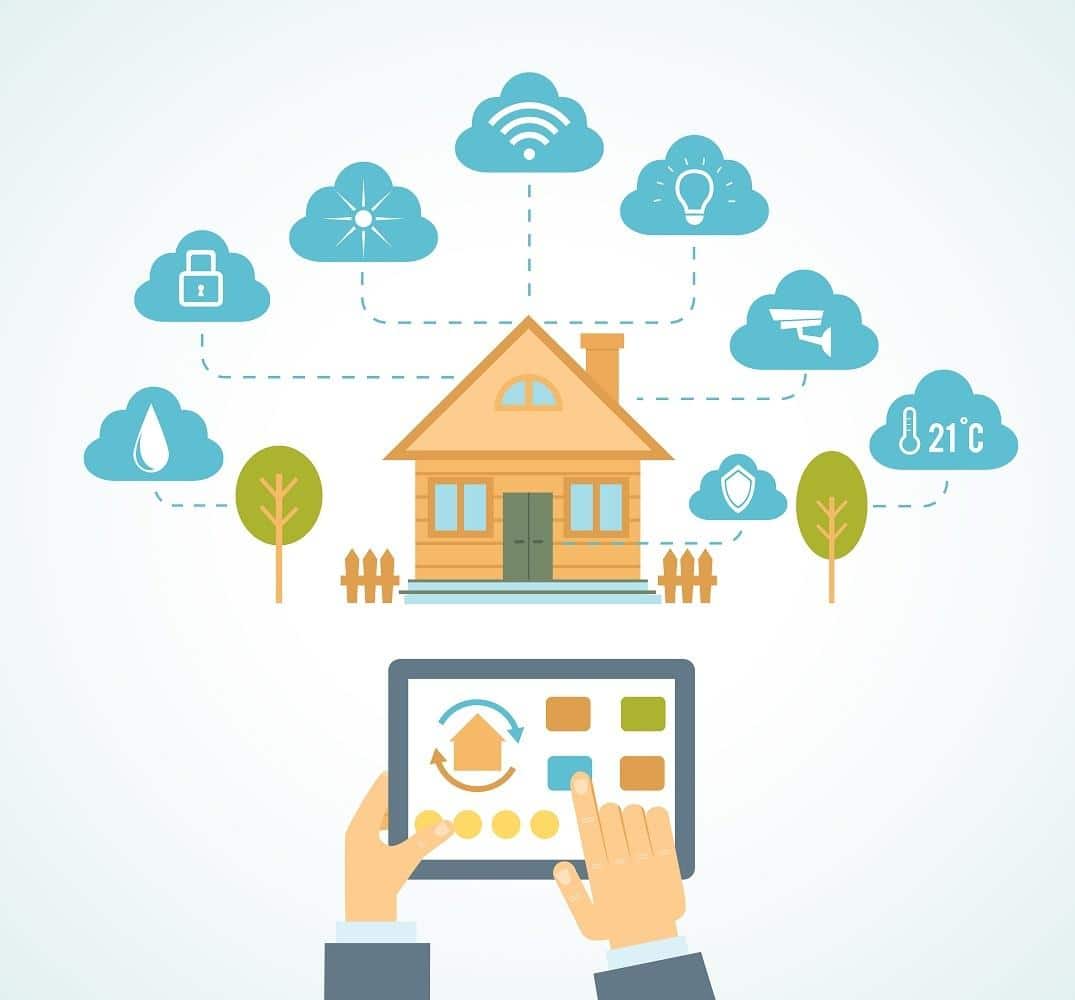
- Enhanced Comfort and Security: Smart devices provide real-time monitoring and control of various aspects of our homes, including temperature, lighting, and security.
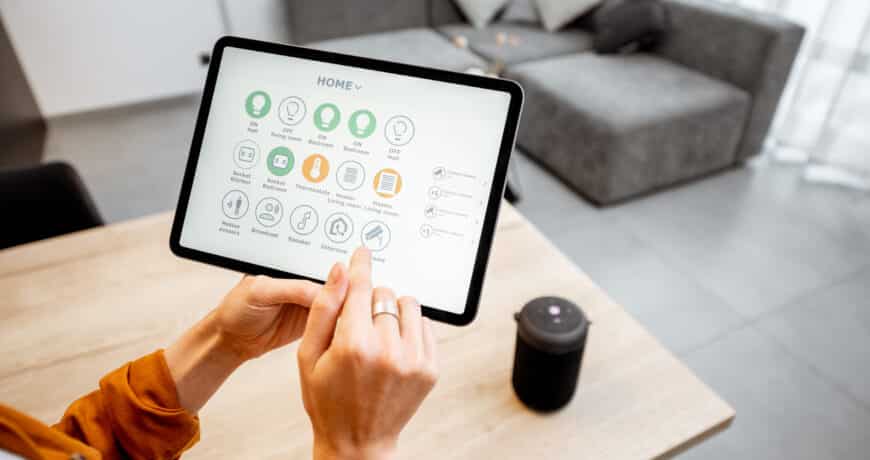
- Increased Convenience: Sustainable smart home devices can be controlled remotely, making it easy to manage our homes, even when we're not there.
Examples of Sustainable Smart Home Devices
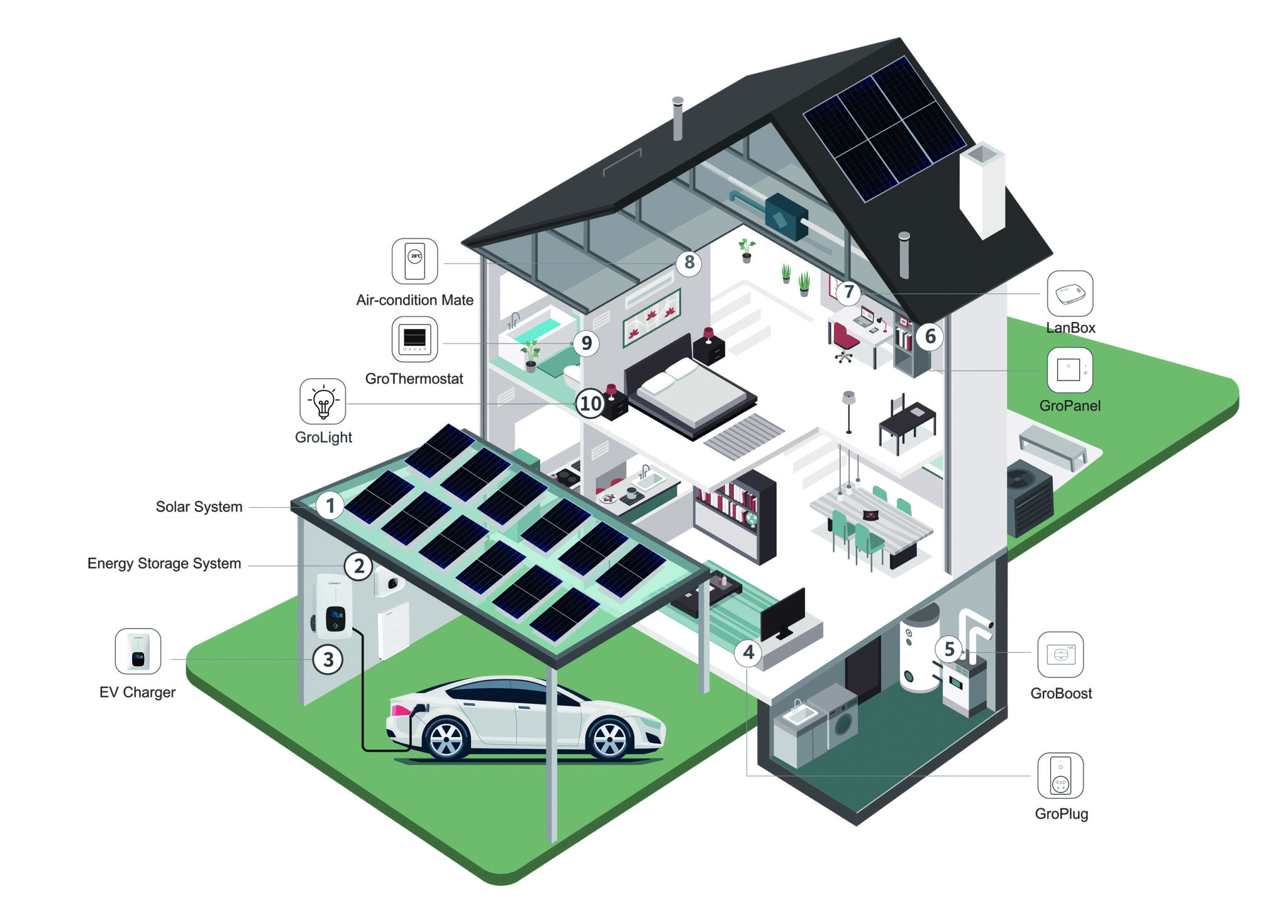
- Smart Thermostats: Devices like the Google Nest and ecobee optimize heating and cooling usage based on our schedules and preferences.
- Smart Lighting: LED bulbs and smart lighting systems use energy-efficient LED lights and can be controlled remotely.
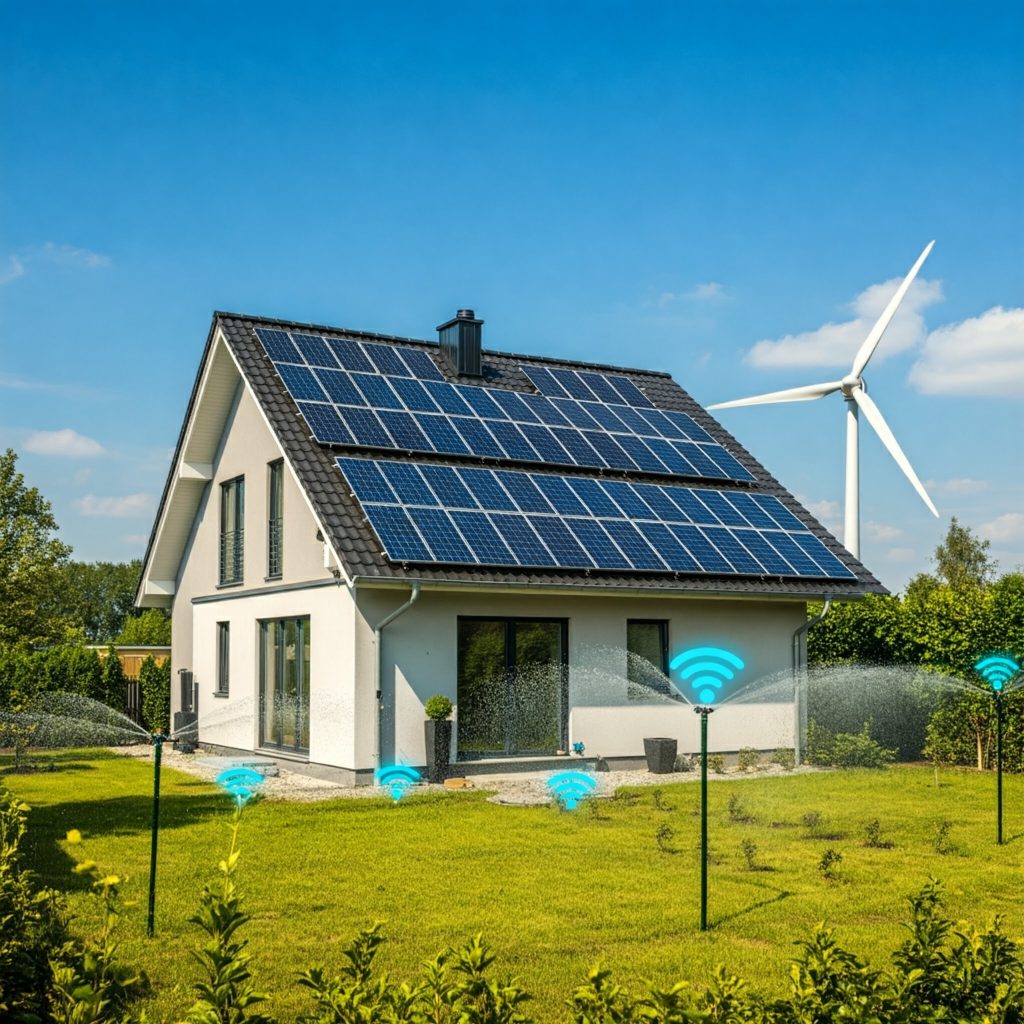
- Smart Irrigation Controllers: Devices like Rachio's smart irrigation controller optimize water usage for our lawns and gardens.
- Smart Water Sensors: Advanced sensors detect water leaks and alerts us to prevent damage.
How to Implement Sustainable Smart Home Devices
Implementing sustainable smart home devices requires a thoughtful and deliberate approach. Here are some steps to consider:
- Assess Your Energy Usage: Identify areas of energy inefficiency in your home and prioritize devices that can make a significant impact.
- Choose the Right Devices: Select devices that are energy-efficient, easy to use, and integrate with your existing smart home systems.
- Monitor and Control: Use smart home hubs and controllers to monitor and control your devices remotely.
- Optimize and Adjust: Continuously monitor and adjust your device settings to optimize energy usage and minimize waste.
Conclusion
Sustainable smart home devices are a crucial step towards creating a more eco-friendly future. By adopting these innovative technologies, we can reduce our energy and water consumption, enhance our comfort and security, and make our homes more efficient and sustainable.