Sustainable E-Waste Recycling: A Path Towards a Greener Future
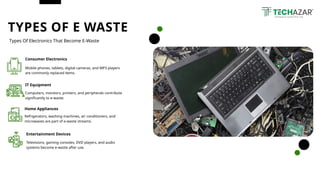
E-waste, or electronic waste, continues to pose a significant threat to the environment and human health. The rapid advancement of technology has led to an exponential increase in electronic device consumption, resulting in millions of tons of discarded electronics piling up every year. It's high time for sustainable e-waste recycling to become a priority.
The Importance of Sustainable E-Waste Recycling
Sustainable e-waste recycling is crucial for reducing the environmental and health risks associated with improper e-waste disposal. Recycling electronic devices protects human health and the environment by conserving natural resources, reducing greenhouse gas emissions, and preventing pollution. Moreover, it helps to recover valuable materials, such as copper, gold, and silver, that can be used to manufacture new products.
Challenges in Sustainable E-Waste Recycling
Traditional e-waste recycling methods often involve exportation to developing countries, where waste management facilities are inadequate. This not only pollutes the environment but also poses health risks to local communities. The fragmented e-waste industry, lack of regulations, and limited education on responsible e-waste disposal exacerbate these challenges.
Strategies for Sustainable E-Waste Recycling
Transforming the e-waste industry requires a multi-faceted approach, incorporating technological innovations, policy reforms, and public awareness campaigns. Strategies for sustainable e-waste recycling include:
- Implementing circular economy principles to design products and production processes that minimize waste and promote recyclability.
- Developing innovative technologies, such as pyrolysis and hydrothermal technologies, to safely and efficiently recover valuable materials from e-waste.
- Establishing clear regulations and guidelines for e-waste management, including Extended Producer Responsibility (EPR) schemes.
- Encouraging collaboration among industries, governments, and civil society organizations to enhance information sharing and best practices.
- Educating consumers about the importance of responsible e-waste disposal and the role of sustainable e-waste recycling in promoting a greener future.
Examples of Sustainable E-Waste Recycling Initiatives

Several organizations and governments are proactively addressing the e-waste crisis. Examples include:
- Government-led initiatives, such as the SRI (Sustainable Recycling Industries) International cooperation initiative, which aims to improve the recycling of electronic devices and household equipment.
- Private sector initiatives, such as ReMA Electronics Division, which provides responsible e-waste recycling services and promotes sustainable management practices.
- Community-led programs, like Gizmogo's e-waste recycling initiative, which encourages reuse and recycling of electronic devices and reduces waste sent to landfills.
Conclusion
Sustainable e-waste recycling is a critical step towards mitigating the negative impacts of e-waste on the environment and human health. By adopting a circular economy approach, implementing innovative technologies, promoting education and awareness, and establishing effective regulations, we can ensure a more sustainable future for electronic waste management.
Call to Action
Join the movement towards sustainable e-waste recycling by supporting organizations that prioritize responsible e-waste management and promoting circular economy practices in your community. Together, we can create a greener future for generations to come.
References:
- UN Global E-waste Monitor 2024
- International Governmental, Non-Profit Organizations, and Academic Research Institutions