Setting Up a Reliable Home Network Configuration for Smooth Online Experience
A well-configured home network is essential for a seamless online experience. Whether you're working from home, streaming your favorite shows, or gaming with friends, a robust network setup is crucial for connectivity and performance. In this article, we'll walk you through the process of setting up a home network configuration that's both efficient and secure.
Understanding the Basics of Home Network Configuration
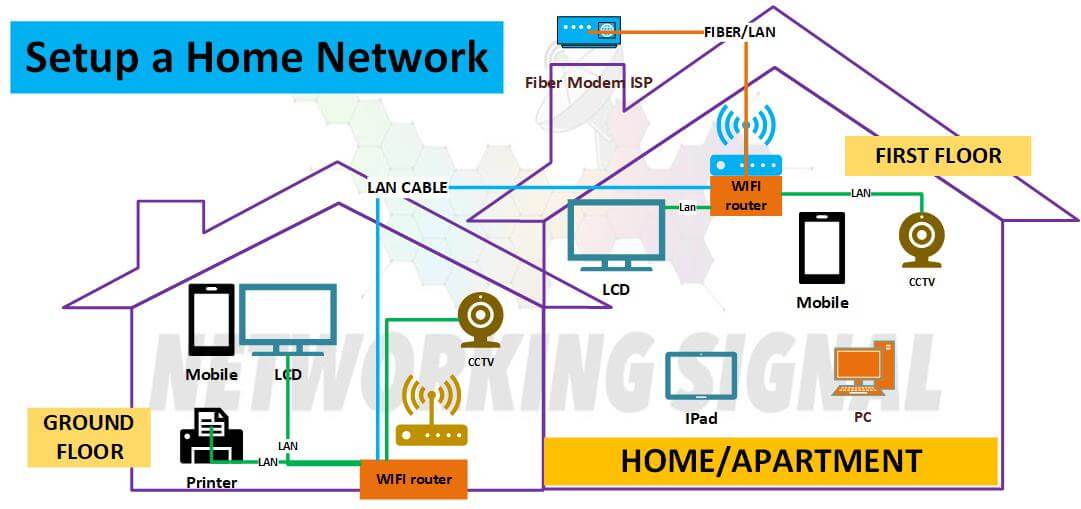
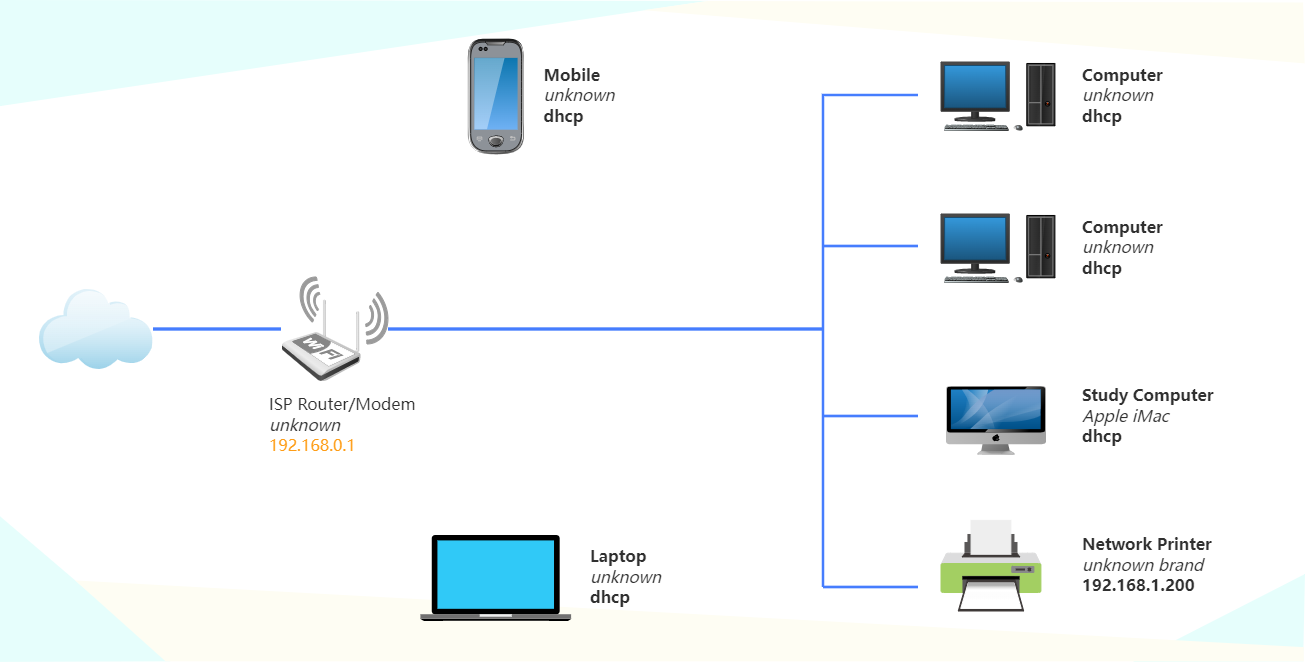
A home network typically consists of multiple devices connected through a central router. The router acts as the control center, managing both wired and wireless connections. A reliable home network configuration ensures that all devices can share data, access the internet, and communicate with each other seamlessly.
Planning Your Home Network Setup
Before setting up your home network, it's essential to plan your setup carefully. Consider the following factors:
- Number of devices: Calculate the number of devices that will be connected to your network, including laptops, smartphones, smart TVs, and gaming consoles.
- Bandwidth requirements: Determine your internet speed requirements based on your devices' bandwidth needs.
- Network topology: Decide on the network topology, such as wired or wireless, or a combination of both.
- Security: Plan your network security measures, including firewalls, antivirus software, and password protection.
Hardware Requirements for Home Network Setup
To set up a home network, you'll need the following hardware:
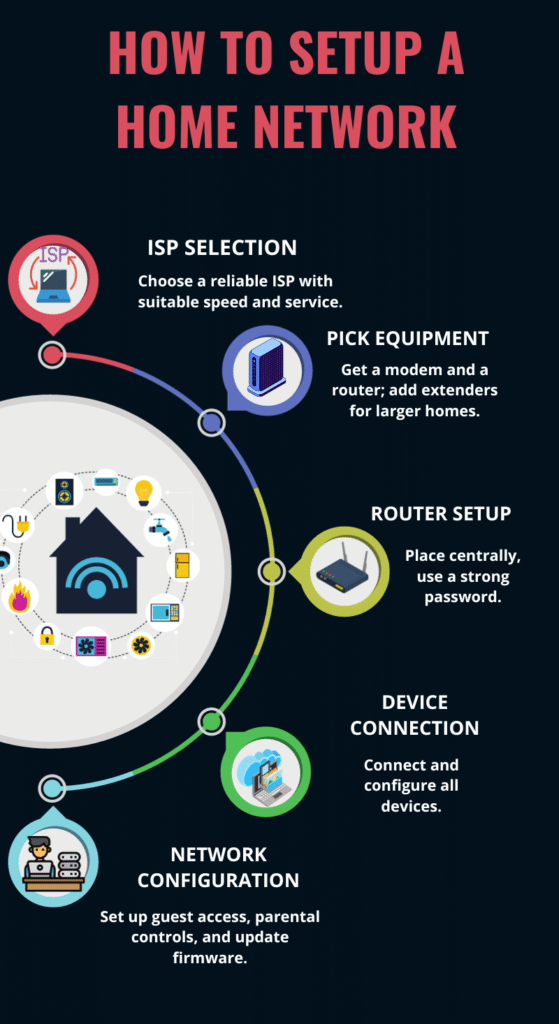
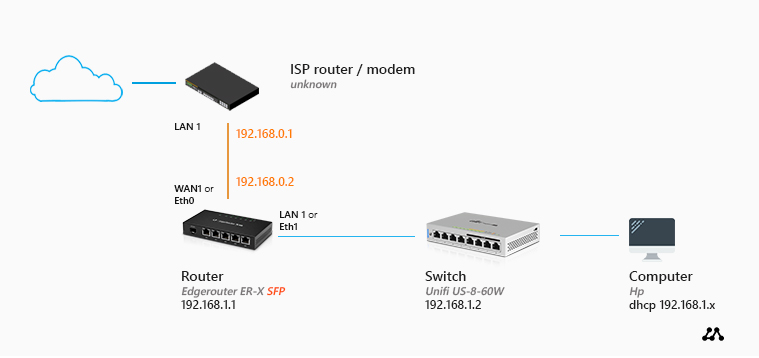
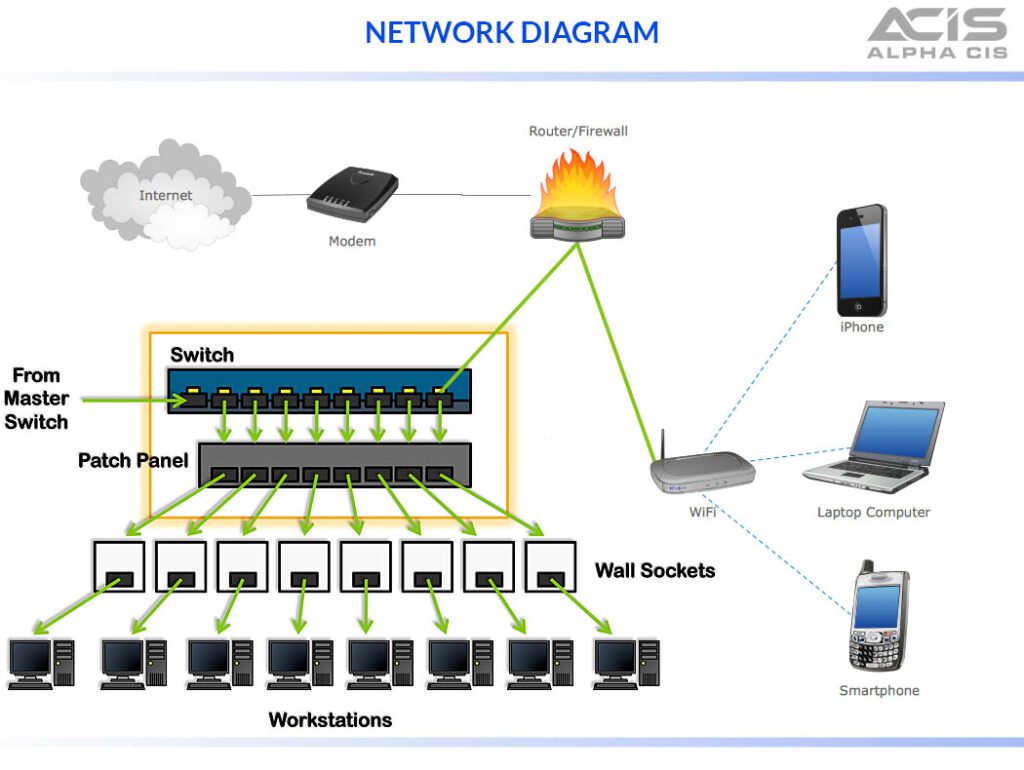
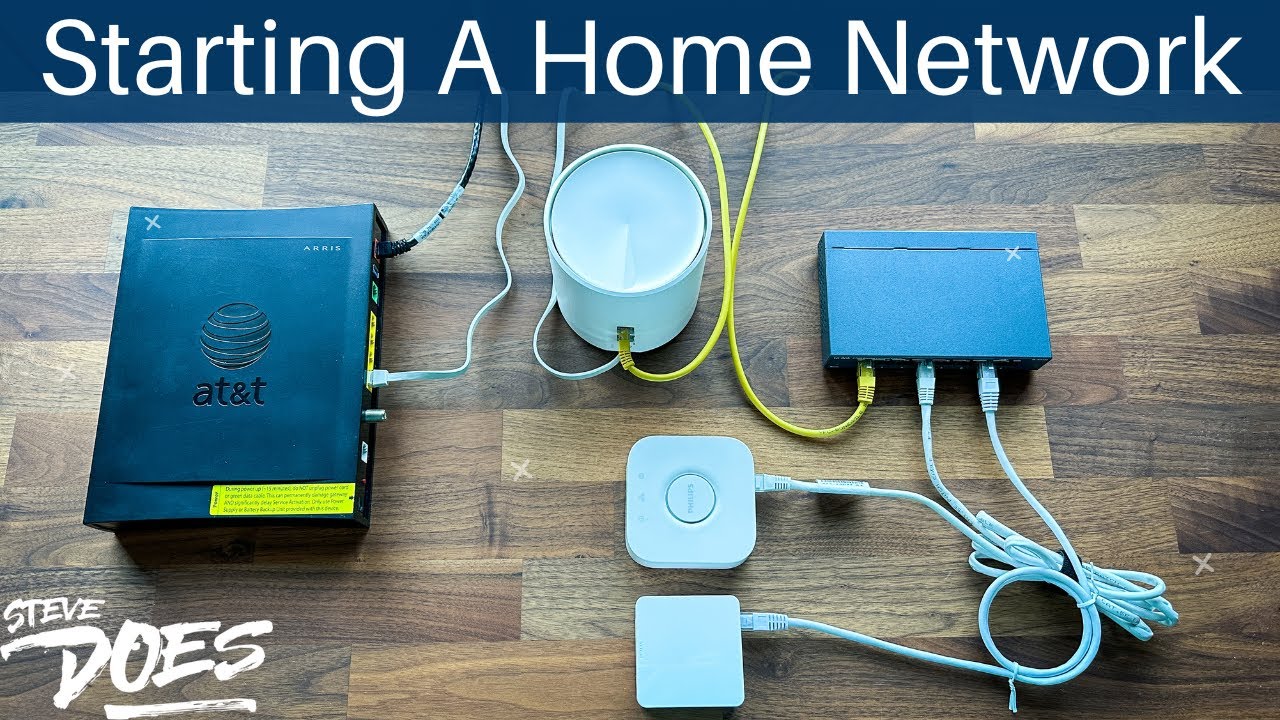
- Router: A central router manages both wired and wireless connections. Choose a router that meets your bandwidth requirements and supports the latest Wi-Fi standards.
- Modem: A modem connects your router to the internet service provider (ISP). Ensure your modem is compatible with your ISP's network.
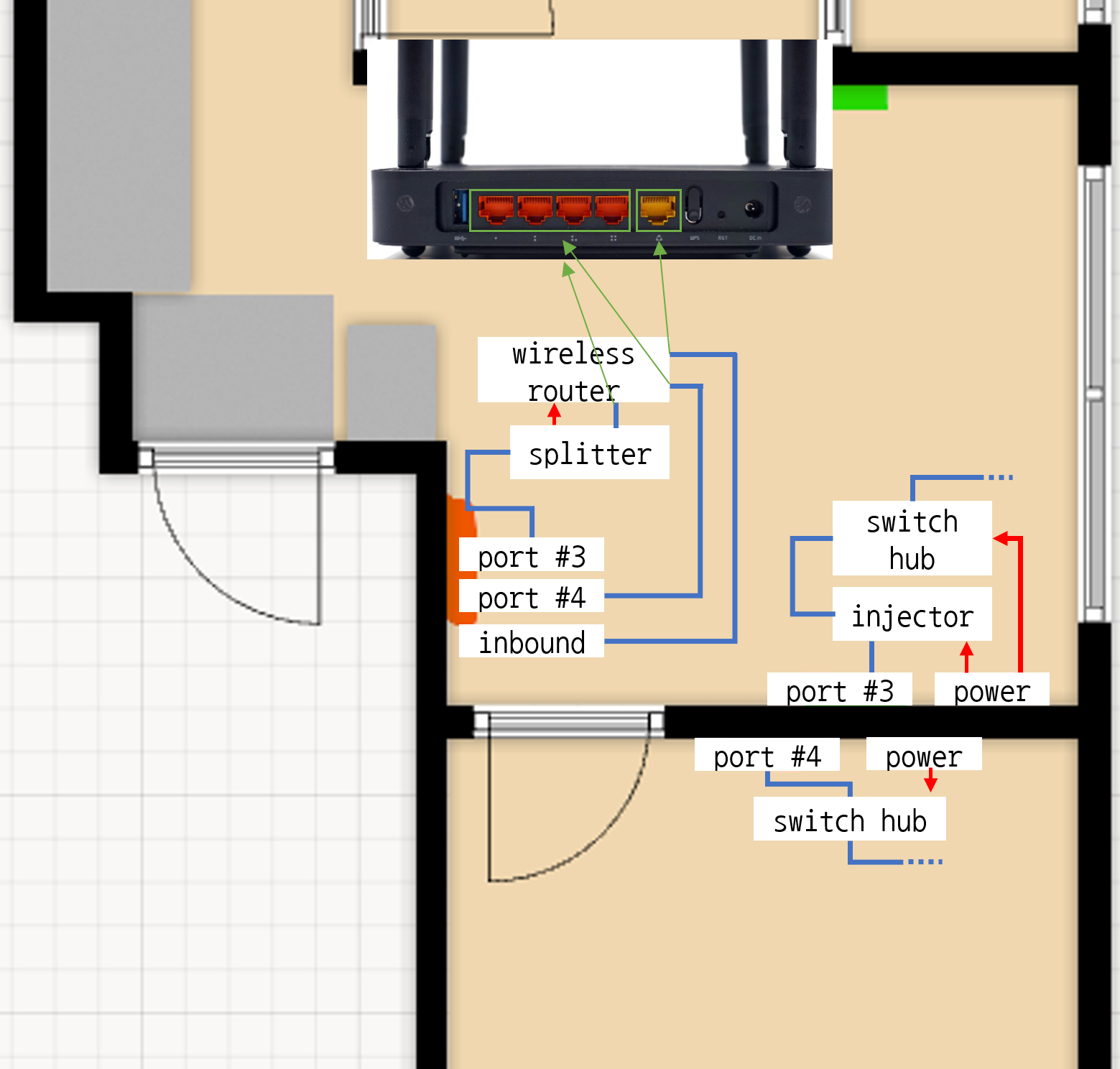
- Switches and hubs: If you have multiple devices connected via Ethernet cables, you'll need switches or hubs to manage the connections.
- Wireless access points (WAPs): WAPs are used to extend your wireless network to areas with poor coverage.
Configuring Your Home Network
With your hardware in place, it's time to configure your home network. Follow these steps:
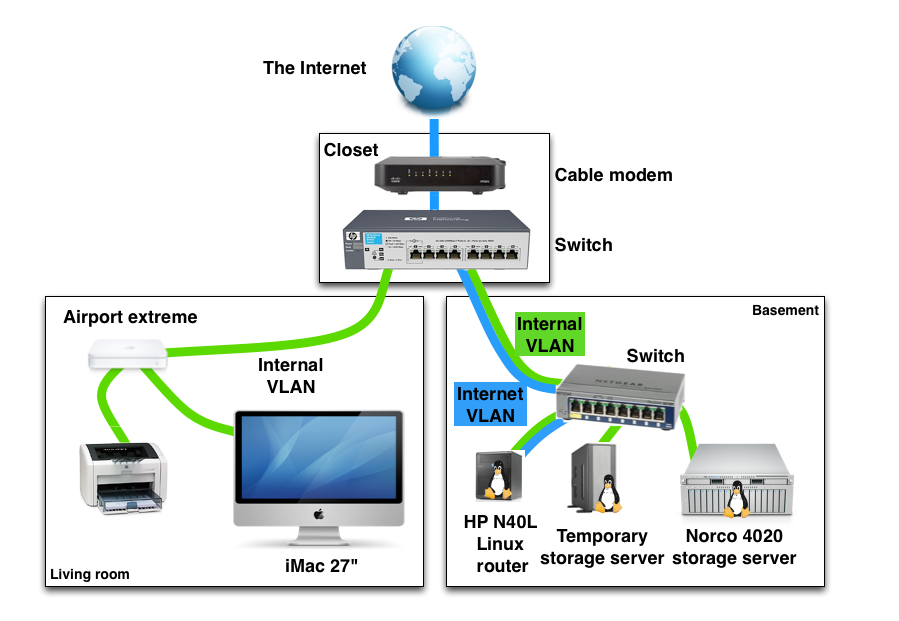
- Configure your router: Set up your router's basic settings, including IP address, subnet mask, and DNS settings.
- Set up wireless network: Configure your wireless network settings, including channel, password, and encryption.
- Configure network security: Set up firewalls, antivirus software, and password protection to secure your network.
- Test your network: Verify that all devices can connect to your network and access the internet.
Securing Your Home Network
Securing your home network is crucial to prevent unauthorized access and protect your devices. Implement the following security measures:
- Password protection: Use strong passwords and enable password protection for all devices connected to your network.
- Firewall configuration: Set up firewalls to block unauthorized access and incoming traffic.
- Antivirus software: Install antivirus software to protect your devices from malware and viruses.
- Regular updates: Regularly update your router's firmware and device drivers to ensure you have the latest security patches.
Conclusion
Setting up a reliable home network configuration requires careful planning, proper hardware selection, and thorough configuration. By following the steps outlined in this article, you'll be able to set up a robust and secure home network that meets your needs and provides a seamless online experience.
Key Takeaways
• Plan your home network setup carefully, considering factors such as number of devices, bandwidth requirements, network topology, and security.
• Choose the right hardware for your home network, including a router, modem, switches, and WAPs.
• Configure your router, wireless network, and network security settings carefully.
• Regularly update your router's firmware and device drivers to ensure you have the latest security patches.