Export Licensing Requirements: A Comprehensive Guide for International Trade
Exporting goods from one country to another requires a deep understanding of the various regulations and requirements that govern international trade. One of the most critical aspects of exporting is obtaining the necessary export licenses, which can be complex and time-consuming to navigate. In this article, we will provide an overview of the export licensing requirements, including the types of licenses, application processes, and compliance tips to ensure smooth international trade operations.
What are Export Licensing Requirements?
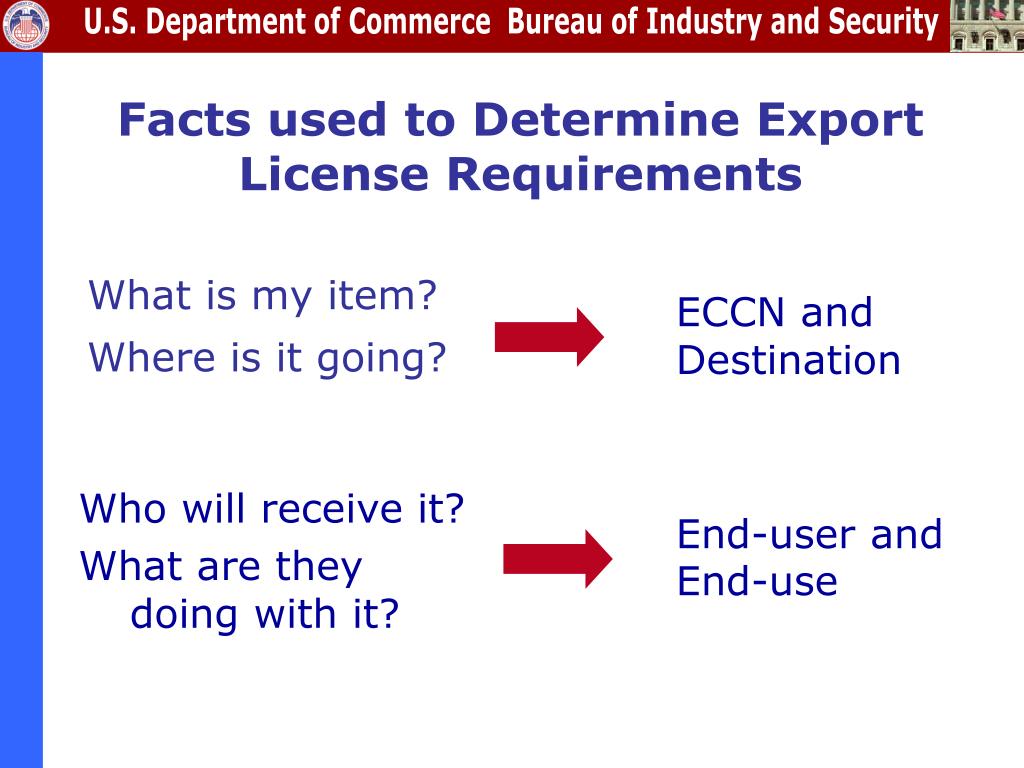
Export licensing requirements refer to the regulations and procedures that govern the export of goods from one country to another. These requirements are typically set by the exporting country's government, and they vary depending on the type of goods being exported, the destination country, and other factors. Export licenses are a critical component of international trade, as they ensure that the exporting country is compliant with its own laws and regulations, as well as those of the importing country.
Types of Export Licenses
There are several types of export licenses, each with its own set of requirements and regulations. Some of the most common types of export licenses include:
- General Export License: This type of license allows exporters to export goods without the need for a specific license, but they must still comply with general export regulations.
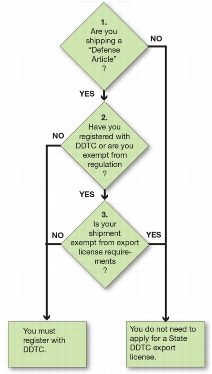
- Specific Export License: This type of license is required for the export of specific goods, such as military equipment, dual-use items, or technologies. li>Temporary Export License: This type of license is required for the temporary export of goods, such as equipment or materials, that are intended to be returned to the exporting country.
Application Process for Export Licenses
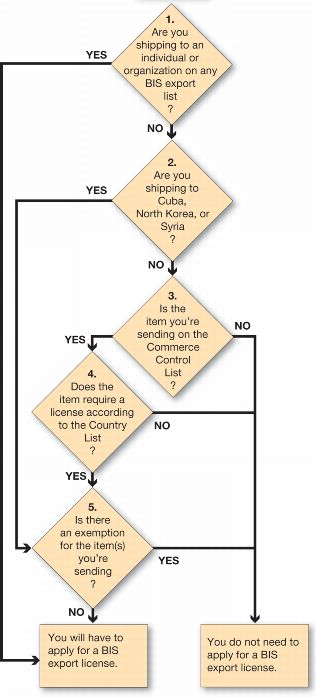
The application process for export licenses varies depending on the type of license and the exporting country's regulations. In general, exporters must submit an application to the relevant government agency, which will review the application and issue the license if the exporter meets the necessary requirements.
Compliance Tips for Export Licensing
To ensure compliance with export licensing requirements, exporters must take several steps, including:
- Registering as an Exporter: Exporters must register with the relevant government agency to obtain an exporter registration number.
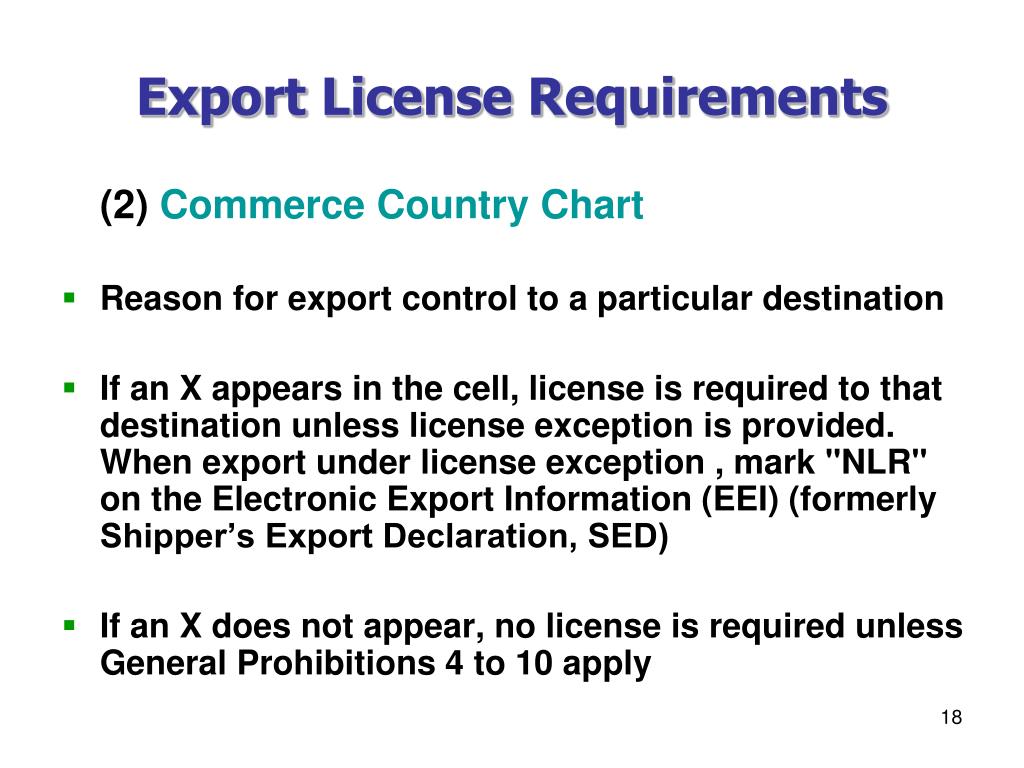
- Classifying Goods: Exporters must accurately classify their goods according to the relevant regulations and standards.
- Obtaining a License: Exporters must obtain the necessary export license for their goods, which may involve submitting an application to the relevant government agency.
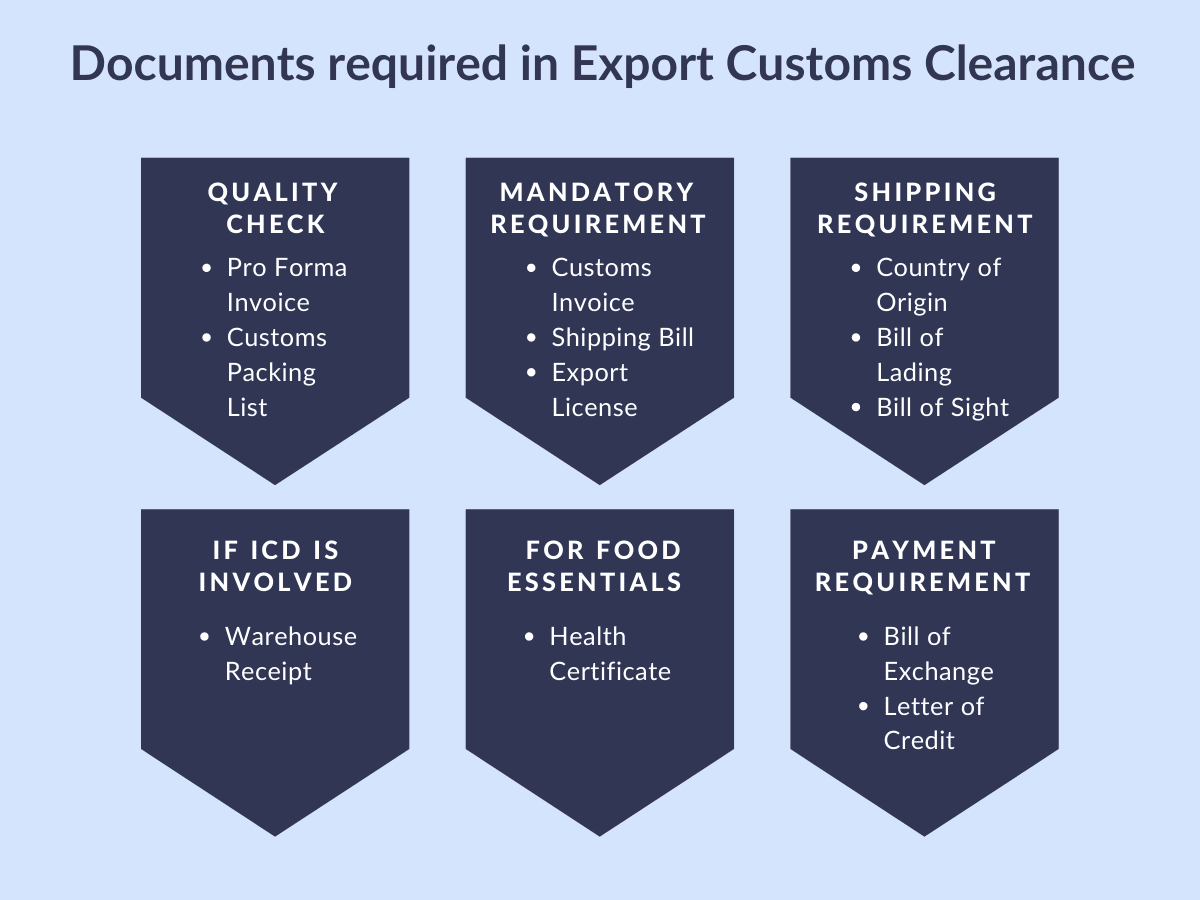
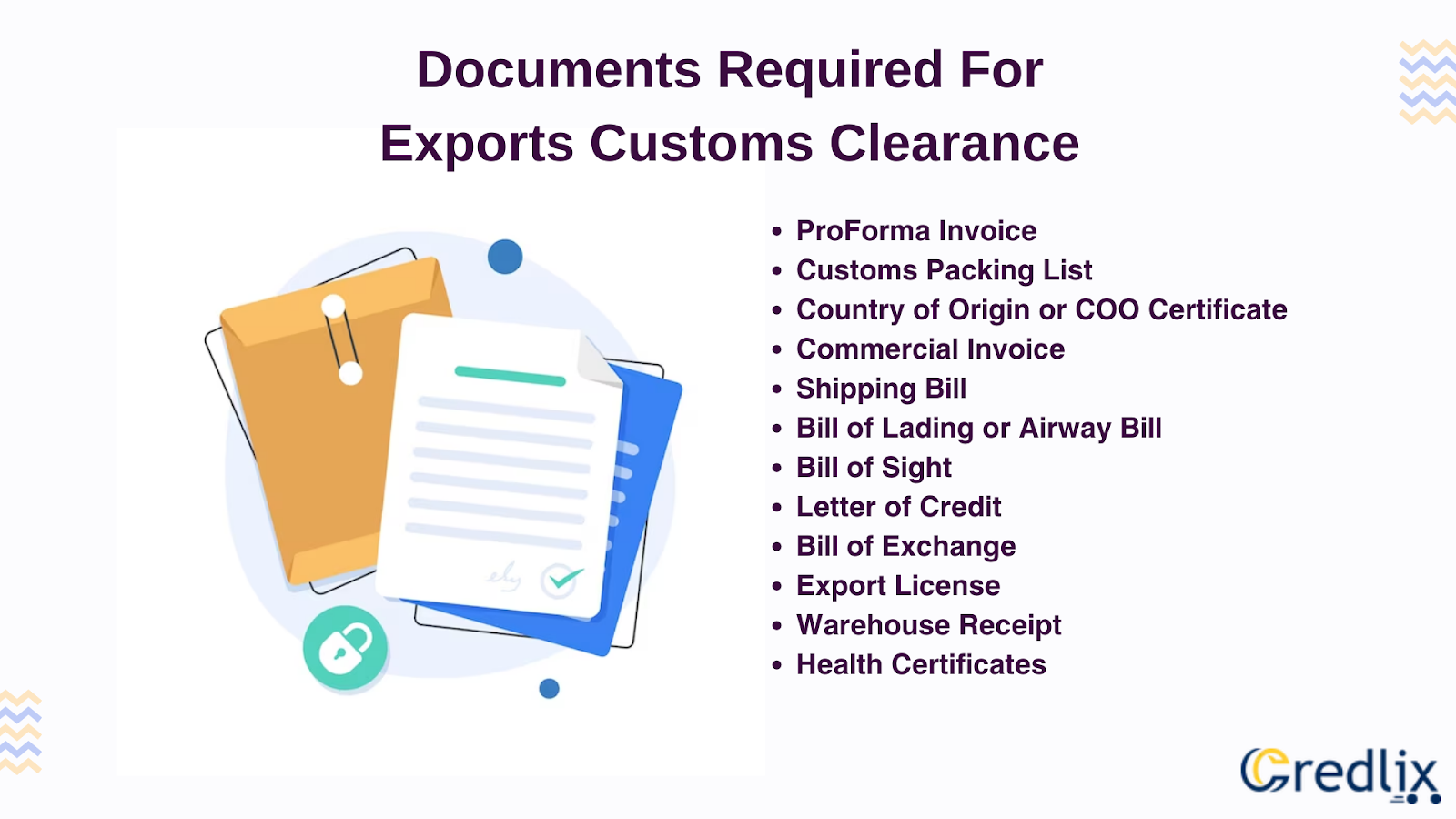
- Maintaining Records: Exporters must maintain accurate records of their exports, including the type and quantity of goods exported, the destination country, and the export license number.
Country-Specific Export Licensing Requirements
Export licensing requirements vary depending on the exporting country's regulations. For example:
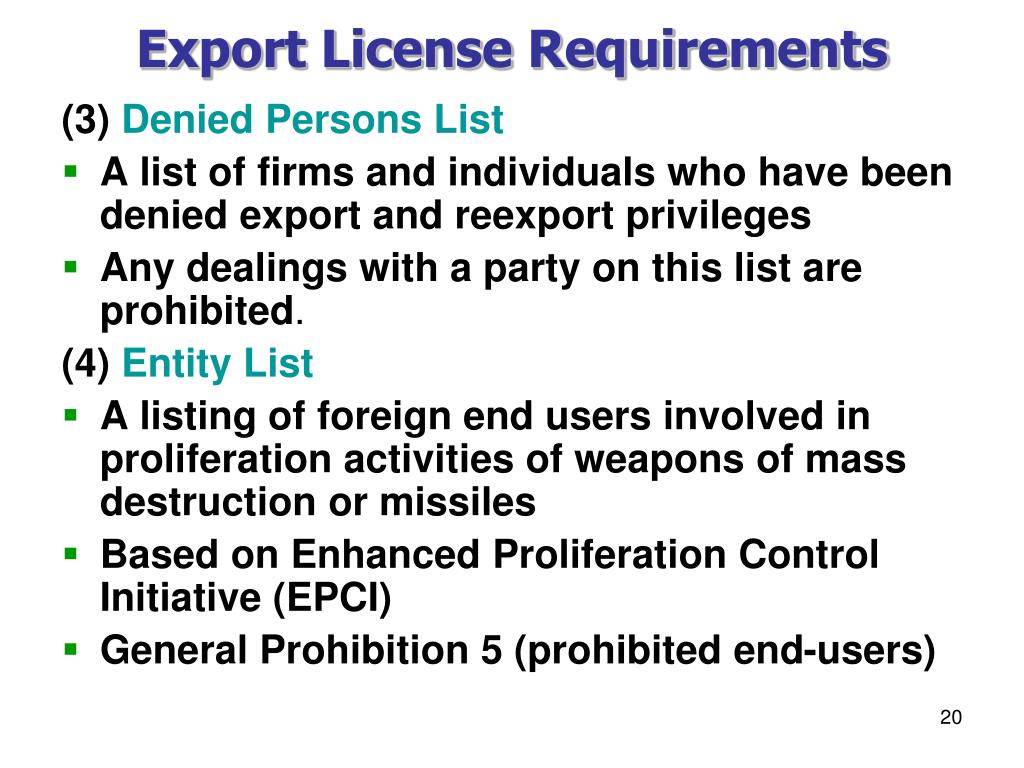
- United States: The U.S. government regulates the export of certain goods, including military equipment, dual-use items, and technologies.
- European Union: The EU has a comprehensive export control regime that regulates the export of goods, including dual-use items and technologies.
- China: China has a complex export control regime that regulates the export of goods, including military equipment, dual-use items, and technologies.
Conclusion
Export licensing requirements are a critical aspect of international trade, and exporters must understand the regulations and procedures that govern the export of goods from one country to another. By registering as an exporter, classifying goods accurately, obtaining the necessary export license, and maintaining accurate records, exporters can ensure compliance with export licensing requirements and avoid costly mistakes. Additionally, exporters should stay up-to-date with country-specific export licensing requirements, which can change frequently.
Recommended Resources
For more information on export licensing requirements, exporters can consult the following resources:
- U.S. Department of Commerce: The U.S. Department of Commerce regulates the export of certain goods, including military equipment, dual-use items, and technologies.
- U.S. Customs and Border Protection: U.S. Customs and Border Protection regulates the import and export of goods, including the issuance of export licenses.
- European Union: The EU has a comprehensive export control regime that regulates the export of goods, including dual-use items and technologies.