The Effects of GLP-1 on Fat Distribution: Uncovering the Truth
Introduction
Glucagon-like peptide-1 receptor agonists (GLP-1RAs) have been gaining significant attention in the medical community due to their potential in treating type 2 diabetes, obesity, and metabolic diseases. One of the lesser-known but crucial aspects of GLP-1RAs is their effect on fat distribution. In this article, we will delve into the effects of GLP-1 on fat distribution, exploring the mechanisms behind this phenomenon and the implications for individuals with diabetes, obesity, and non-alcoholic fatty liver disease (NAFLD).What are GLP-1RAs and how do they work?
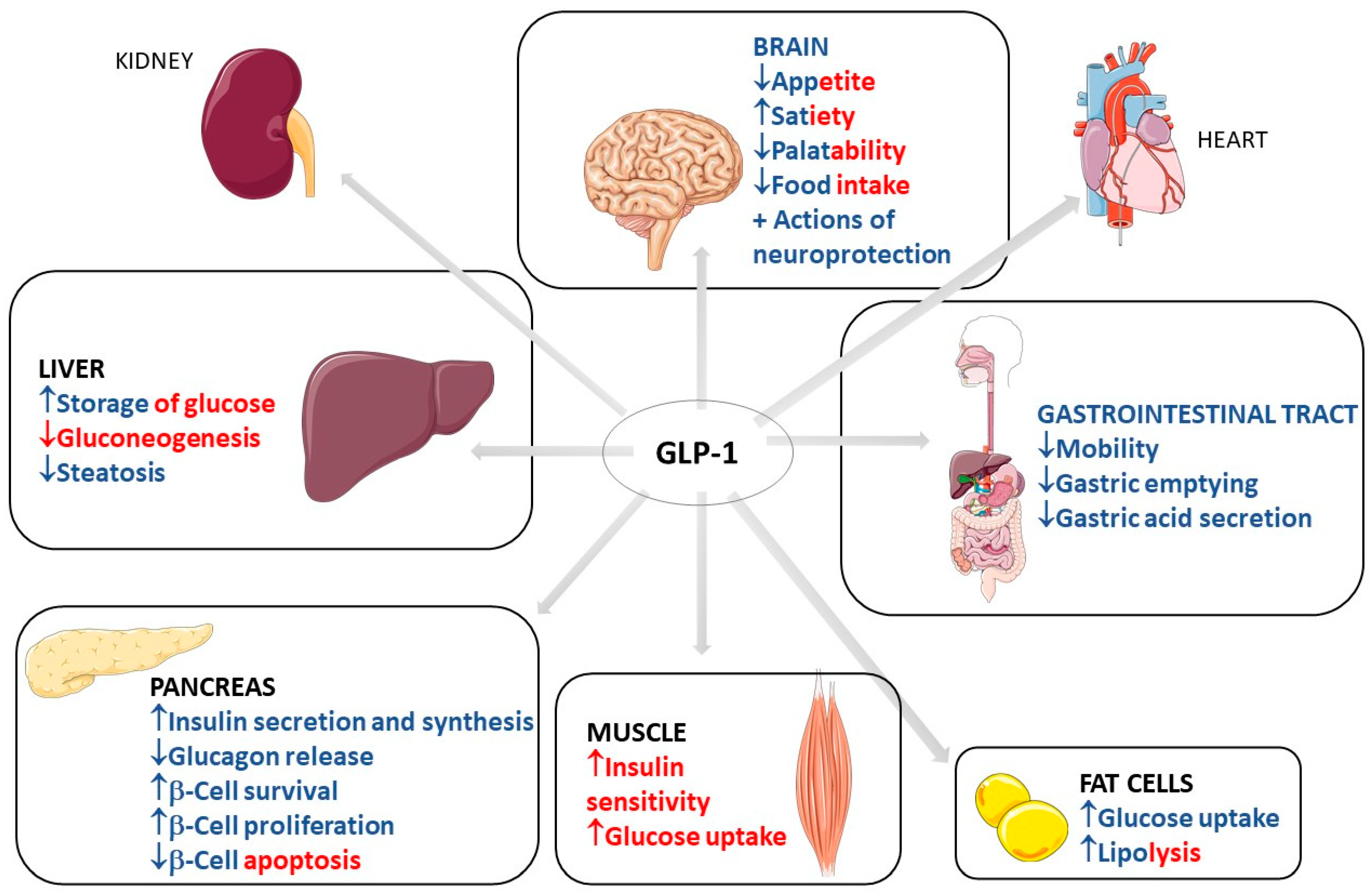
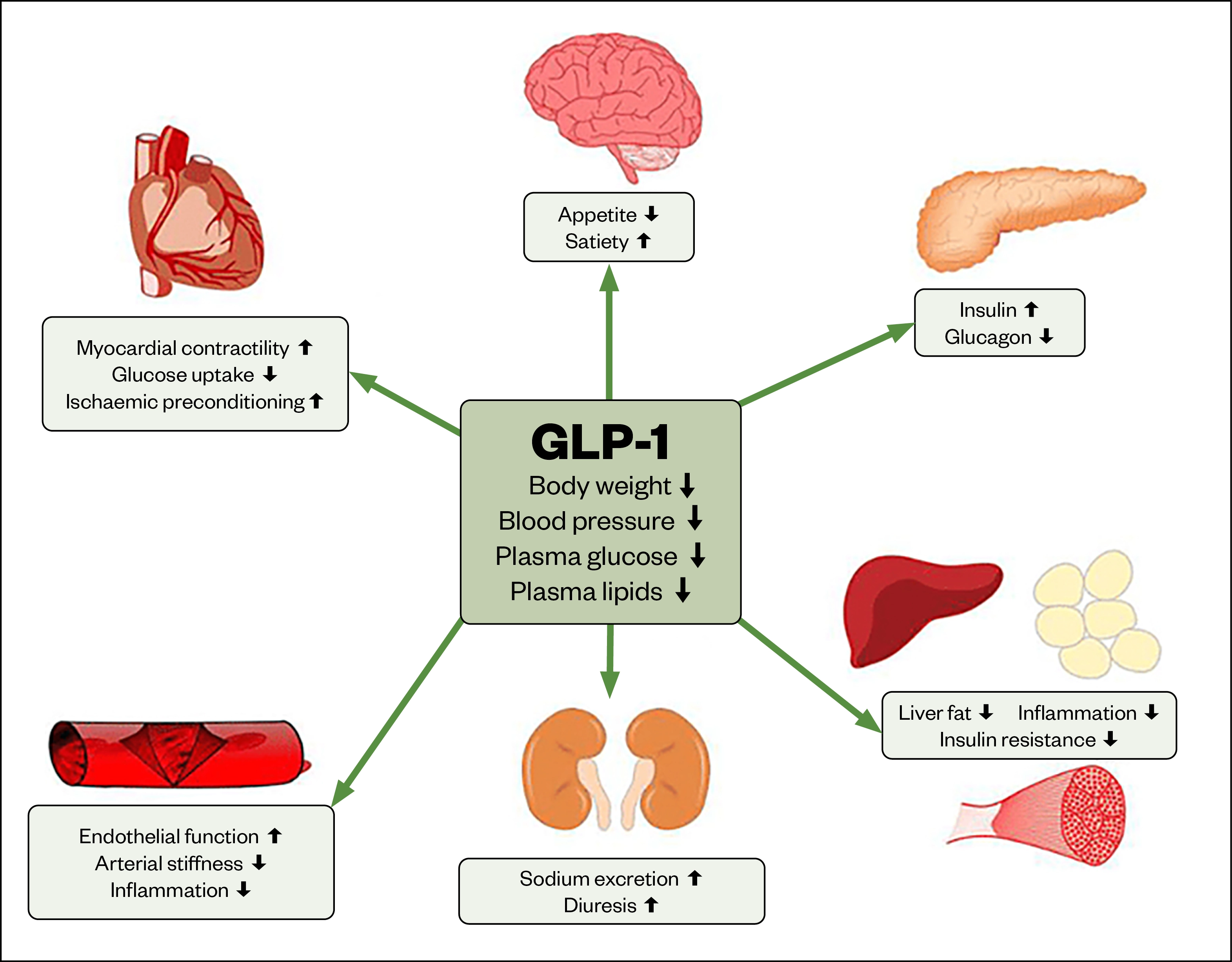
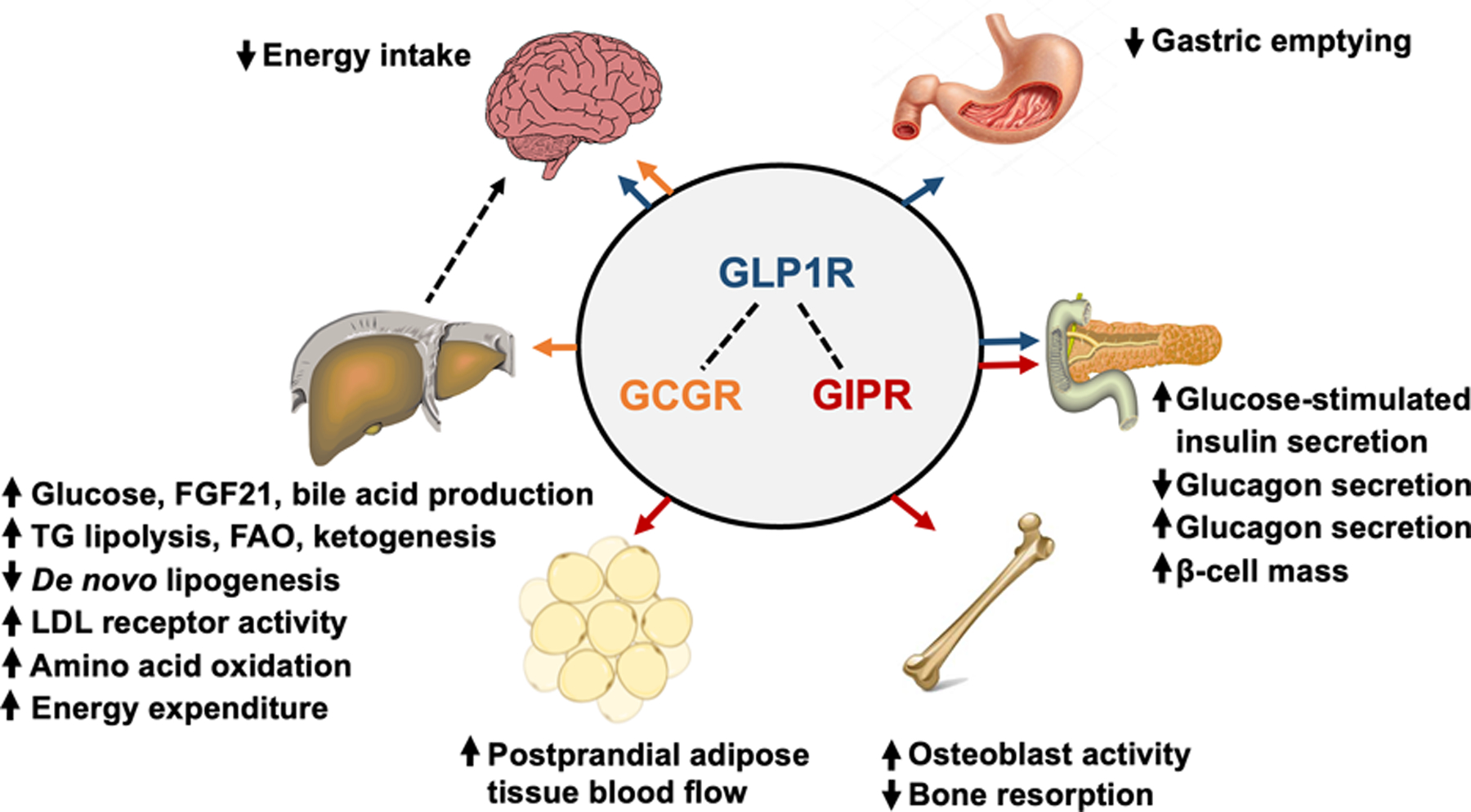
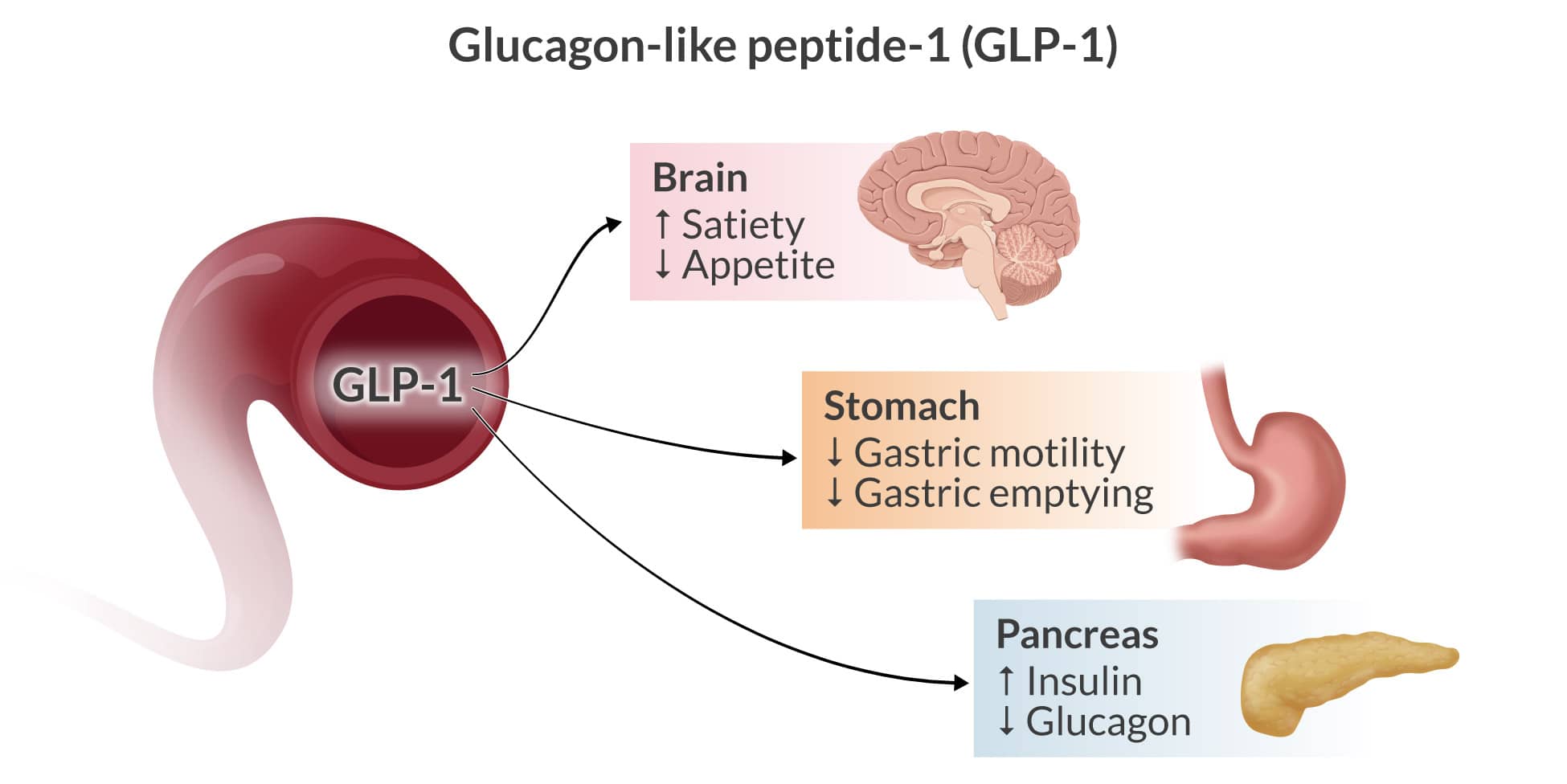
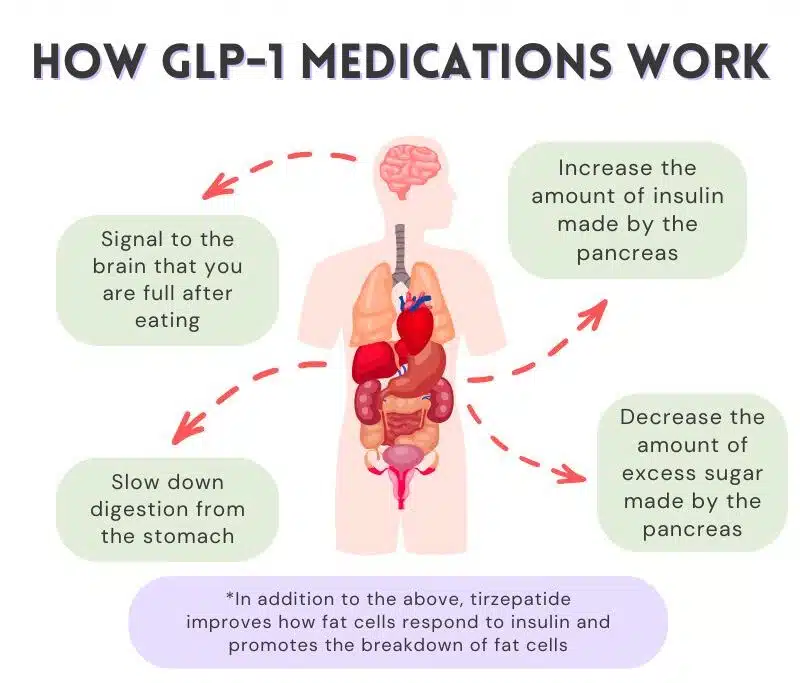
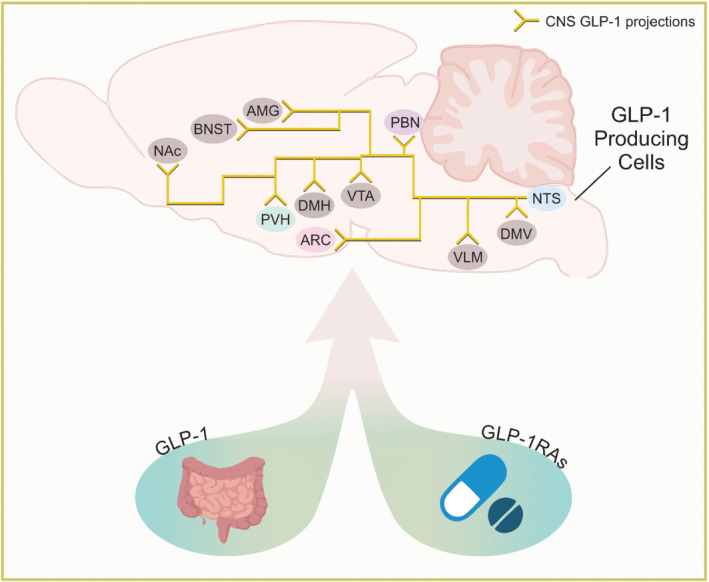
GLP-1RAs are a class of medications that mimic the action of the natural hormone glucagon-like peptide-1 (GLP-1). GLP-1 is a potent regulator of glucose metabolism, appetite, and weight management. GLP-1RAs stimulate the GLP-1 receptor, which mediates the body's response to GLP-1. This stimulation leads to improvements in glucose metabolism, insulin sensitivity, and weight loss.The Effects of GLP-1 on Fat Distribution
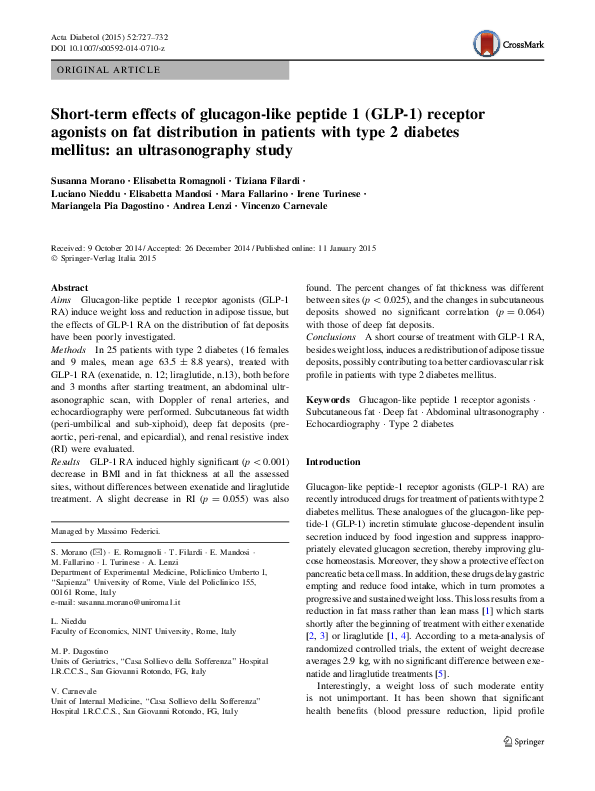
Research has shown that GLP-1RAs significantly reduce visceral and hepatic fat content in adults. A systematic review and meta-analysis of randomized controlled trials found that GLP-1RAs resulted in significant reductions in visceral fat area and liver fat content in individuals with type 2 diabetes. The mechanisms behind this effect are not fully understood, but it is thought that GLP-1RAs may influence fat distribution by: * Reducing lipolysis (fat breakdown) in visceral fat * Increasing lipogenesis (fat formation) in subcutaneous fat * Modulating the balance between glucose and lipid metabolismVisceral Fat Loss with GLP-1RAs