The Science Behind GLP-1 and Intermittent Fasting: A Comprehensive Guide
Glucagon-like peptide 1 (GLP-1) and intermittent fasting are two popular weight loss strategies that have gained significant attention in recent years. While both methods can produce meaningful results on their own, combining them may hold the key to a more effective and sustainable weight loss plan. In this article, we'll delve into the science behind GLP-1 and intermittent fasting, exploring how they interact and impact our bodies.
What is GLP-1 and How Does it Affect Weight Loss?
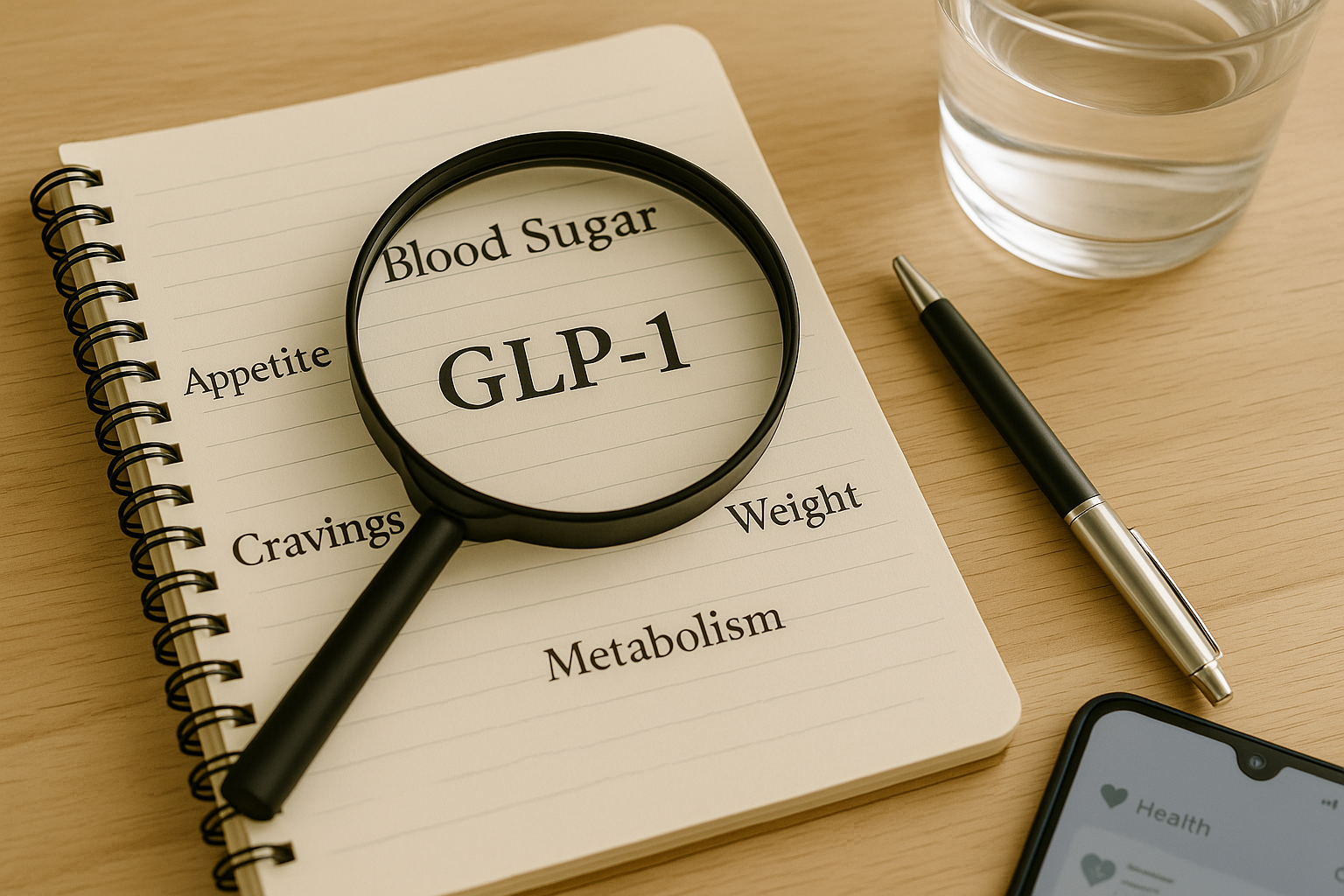
GLP-1 is a gastrointestinal peptide that plays a crucial role in glucose metabolism. It's secreted by L cells in the intestine in response to food intake and triggers a series of events that help regulate blood sugar levels. GLP-1 works by slowing gastric emptying, reducing appetite, and enhancing insulin production. This makes it an effective tool for weight loss, particularly for individuals with obesity or type 2 diabetes.
The Science Behind GLP-1 and Weight Loss
Studies have shown that GLP-1 receptor agonists, such as semaglutide (Wegovy), can lead to significant weight loss in obese individuals. These medications work by enhancing the body's natural GLP-1 hormone, which signals fullness to the brain and slows gastric emptying. This leads to a reduction in calorie intake and an increase in fat burning.
What is Intermittent Fasting and How Does it Affect Weight Loss?
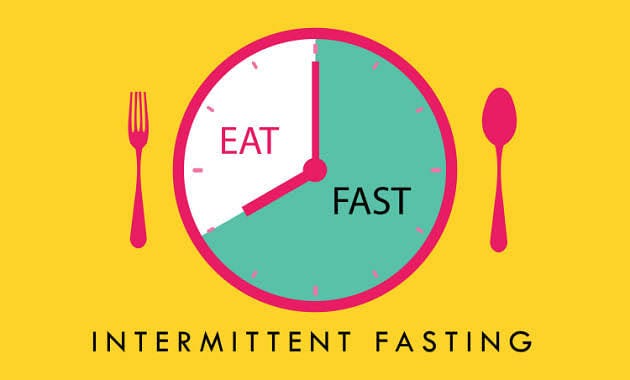
Intermittent fasting is an eating plan that switches between fasting and eating on a regular schedule. Research shows that intermittent fasting can help manage weight and prevent or even reverse some forms of disease. It works by reducing insulin resistance, improving insulin sensitivity, and enhancing human growth hormone production.
The Science Behind Intermittent Fasting and Weight Loss
Studies have demonstrated that intermittent fasting can lead to significant weight loss, improved metabolic health, and reduced inflammation. The mechanism behind intermittent fasting involves the activation of certain genes that promote fat burning and improve insulin sensitivity. This, in turn, leads to a reduction in calorie intake and an increase in fat burning.
The Interaction Between GLP-1 and Intermittent Fasting
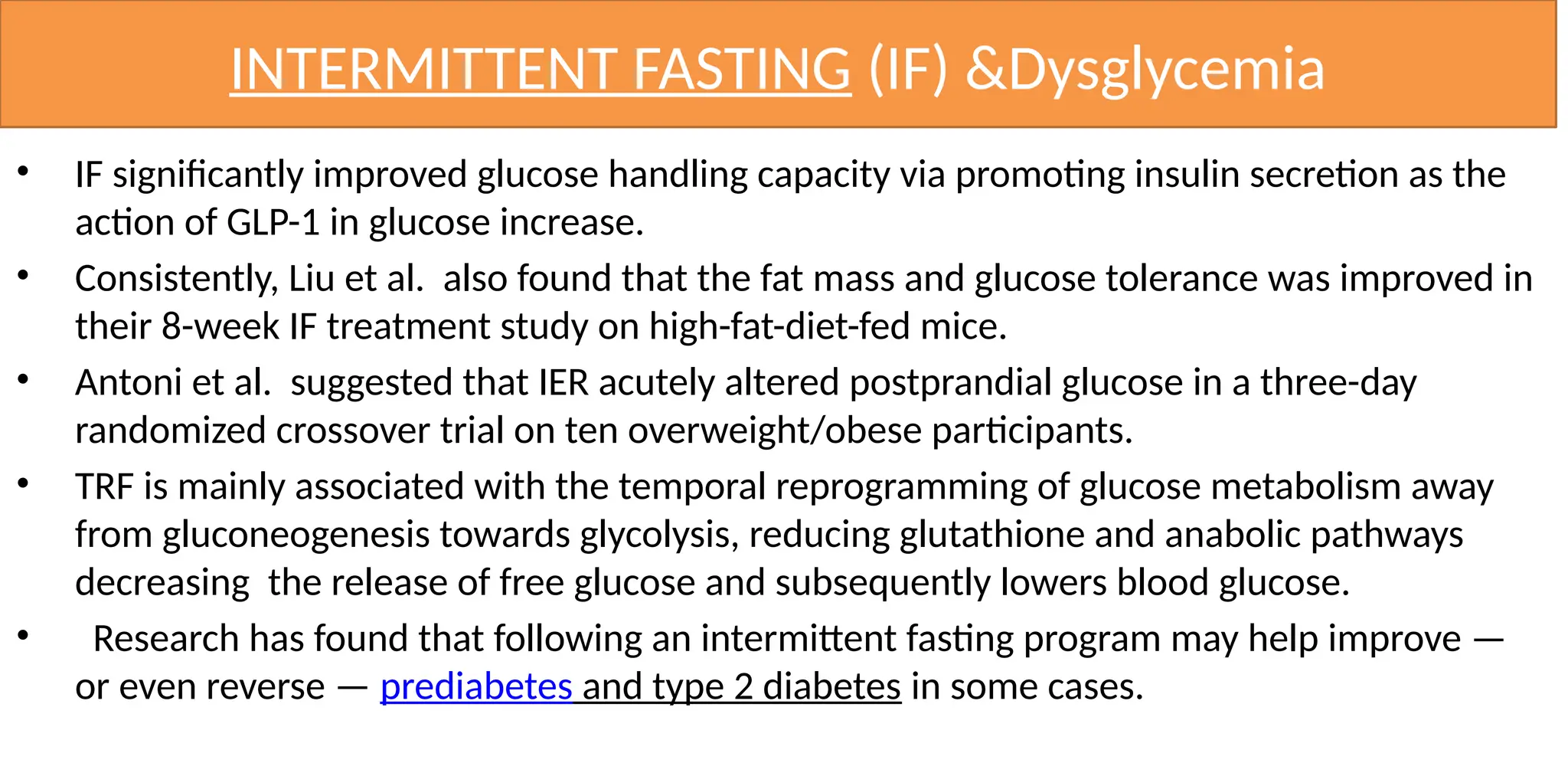
When combined, GLP-1 and intermittent fasting may produce a synergistic effect, leading to enhanced weight loss and improved metabolic health. GLP-1 can help reduce hunger and increase feelings of fullness, making it easier to stick to an intermittent fasting regimen. Meanwhile, intermittent fasting can increase GLP-1 production, further enhancing its weight loss effects.
The Benefits of Combining GLP-1 and Intermittent Fasting
Combining GLP-1 and intermittent fasting may offer several benefits, including:
- Enhanced weight loss: The combination of GLP-1 and intermittent fasting may lead to greater weight loss than either method alone.
- Improved metabolic health: The synergistic effect of GLP-1 and intermittent fasting may improve insulin sensitivity, reduce inflammation, and enhance metabolic health.
- Increased feelings of fullness: GLP-1 can help reduce hunger and increase feelings of fullness, making it easier to stick to an intermittent fasting regimen.
The Risks of Combining GLP-1 and Intermittent Fasting
While combining GLP-1 and intermittent fasting may offer several benefits, it's essential to be aware of the potential risks, including:
- Nausea and vomiting: GLP-1 and intermittent fasting may exacerbate nausea and vomiting in some individuals.
- Dehydration: Intermitent fasting can lead to dehydration, which may be exacerbated by GLP-1.
- Electrolyte imbalance: GLP-1 and intermittent fasting may lead to an electrolyte imbalance, particularly in individuals with underlying health conditions.
Conclusion
The science behind GLP-1 and intermittent fasting is complex and multifaceted. While both methods can produce meaningful results on their own, combining them may lead to enhanced weight loss and improved metabolic health. However, it's essential to be aware of the potential risks and take necessary precautions to minimize them. If you're considering combining GLP-1 and intermittent fasting, consult with a healthcare professional to determine the best approach for your individual needs.