The Role of GLP-1 in Appetite Regulation and Calorie Balance
Understanding GLP-1: A Key Player in Appetite and Metabolic Regulation
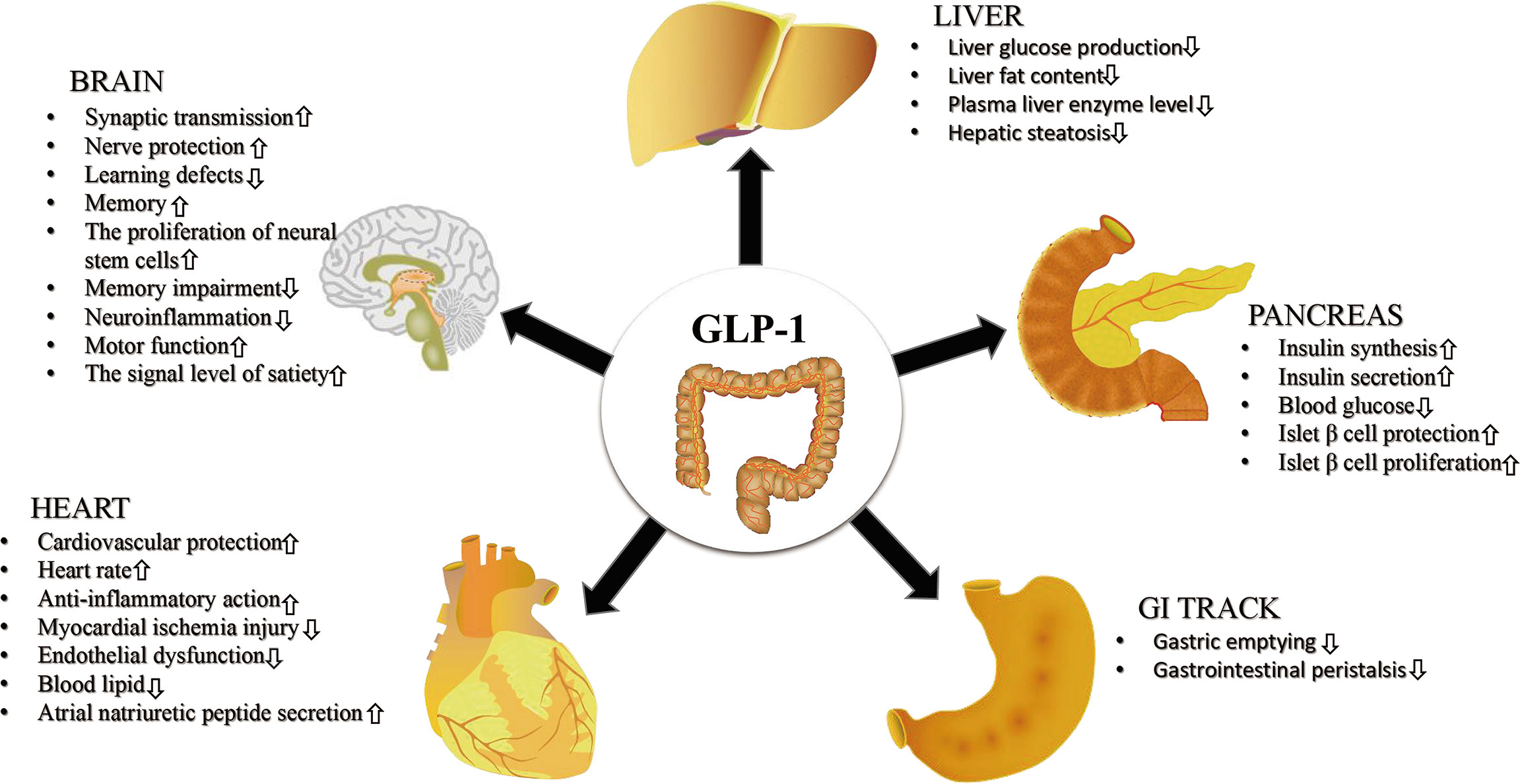
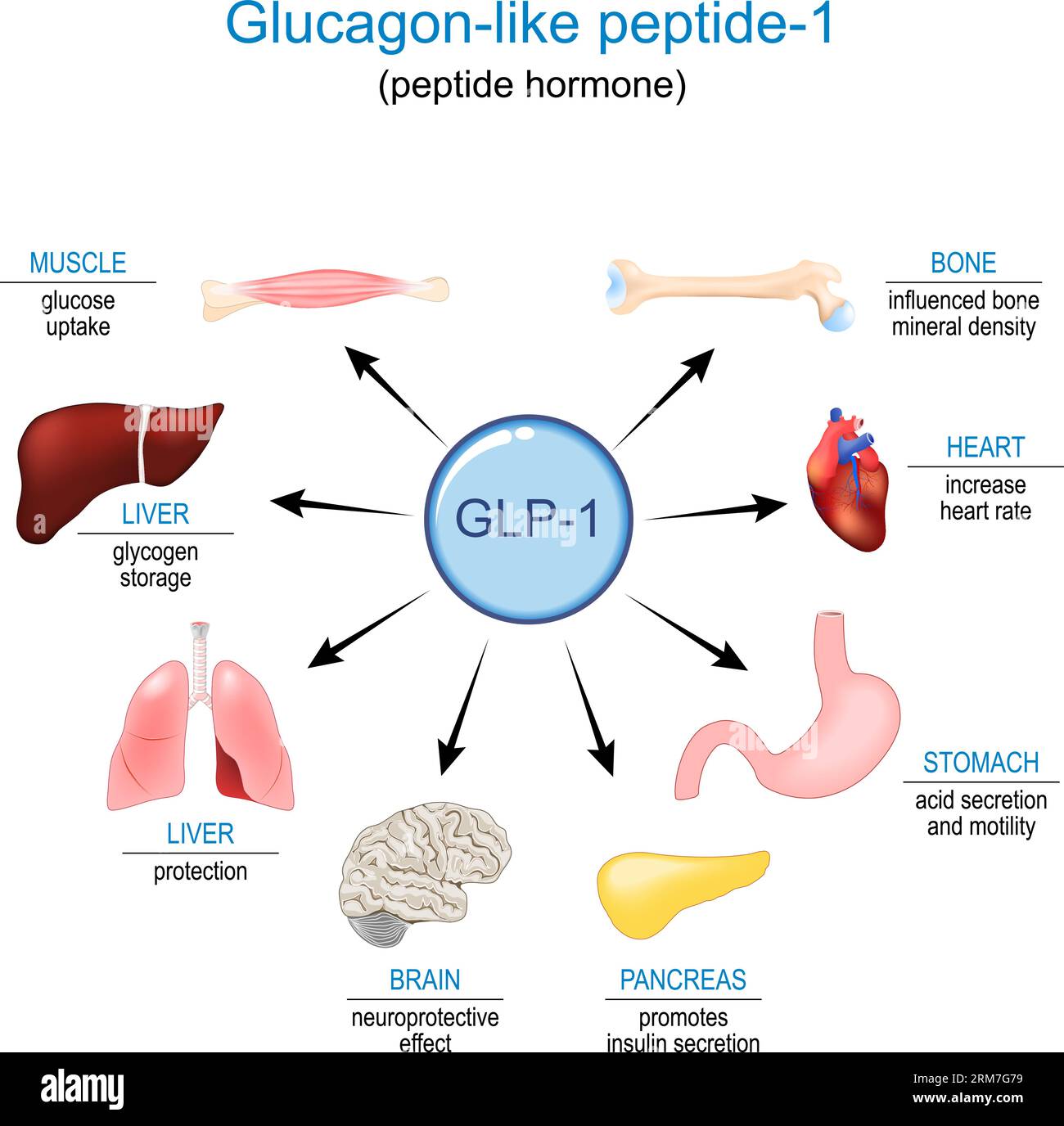
Glucagon-like peptide-1, or GLP-1, is a peptide hormone that plays a crucial role in appetite regulation and calorie balance. GLP-1 is a cleavage product of the pre-proglucagon gene and is expressed in various parts of the body, including the pancreas, intestines, and brain. It has been extensively studied in the context of its impact on appetite and metabolic regulation.
How GLP-1 Regulates Appetite
GLP-1 has several mechanisms that contribute to its appetite-suppressing effects. These include:
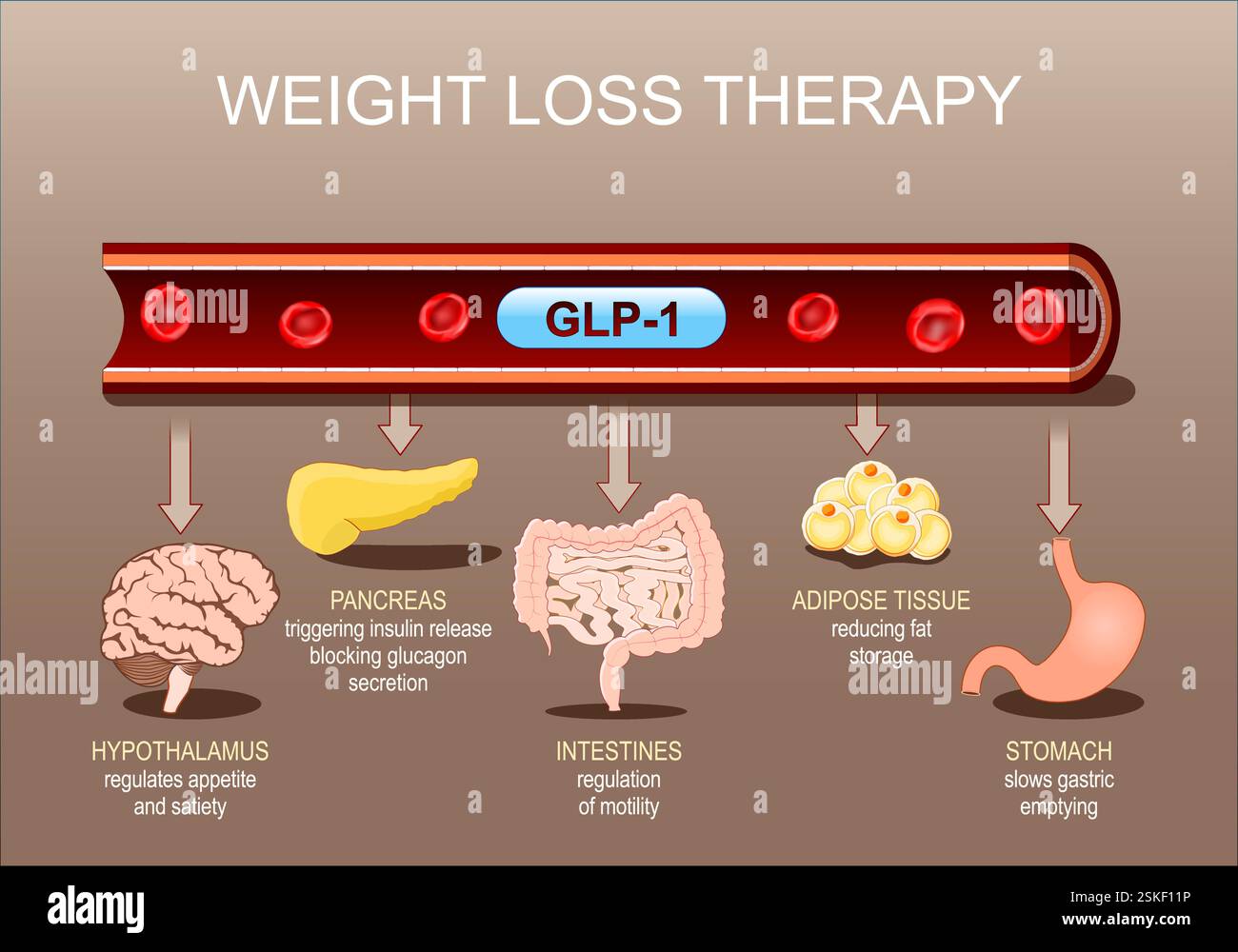
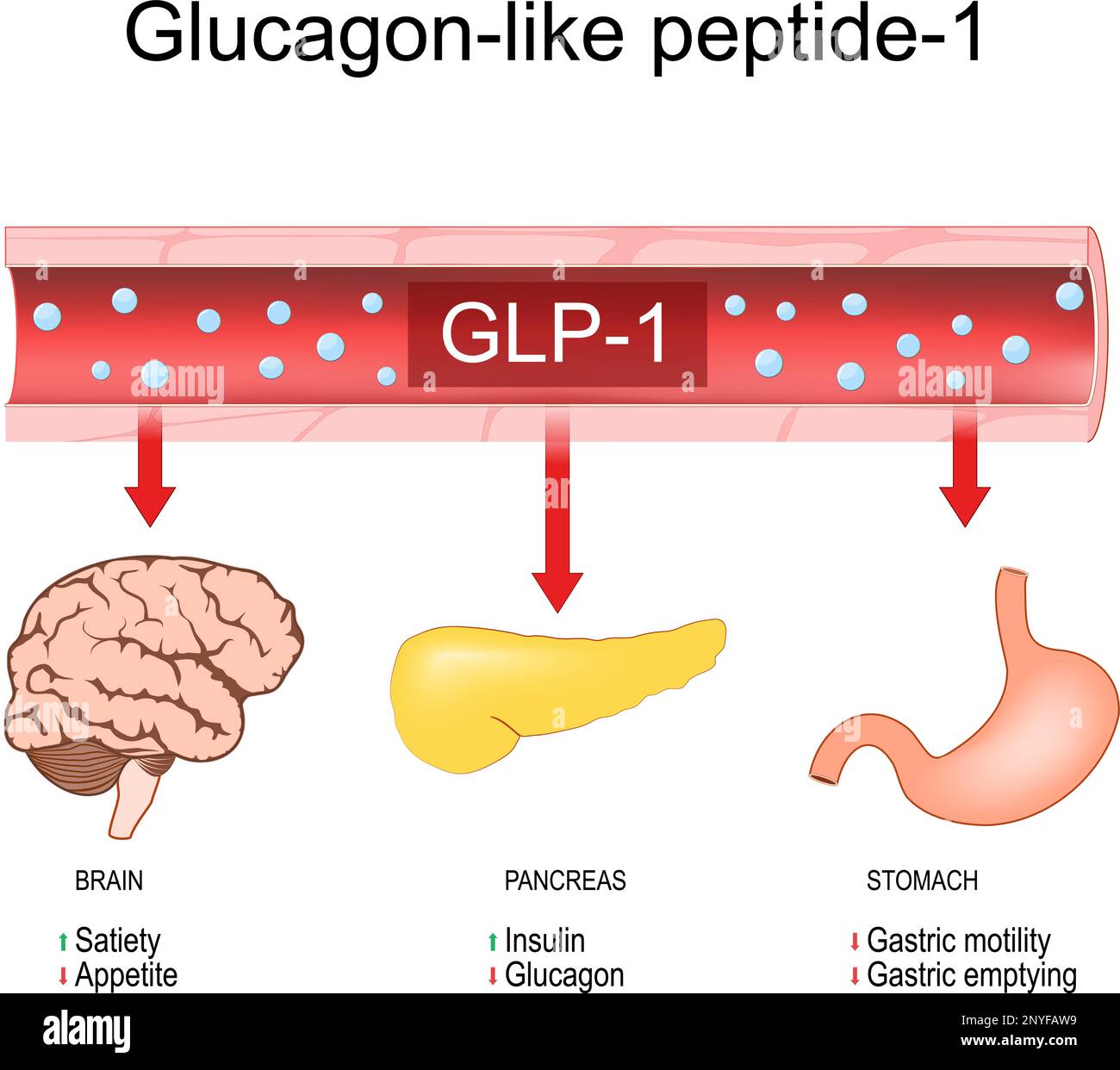
- Slowing gastric emptying: GLP-1 delays the movement of food from the stomach to the small intestine, leading to a feeling of fullness and reduced hunger.
- Suppressing glucagon release: GLP-1 inhibits the release of glucagon, a hormone that raises blood sugar levels, which can contribute to increased hunger and appetite.
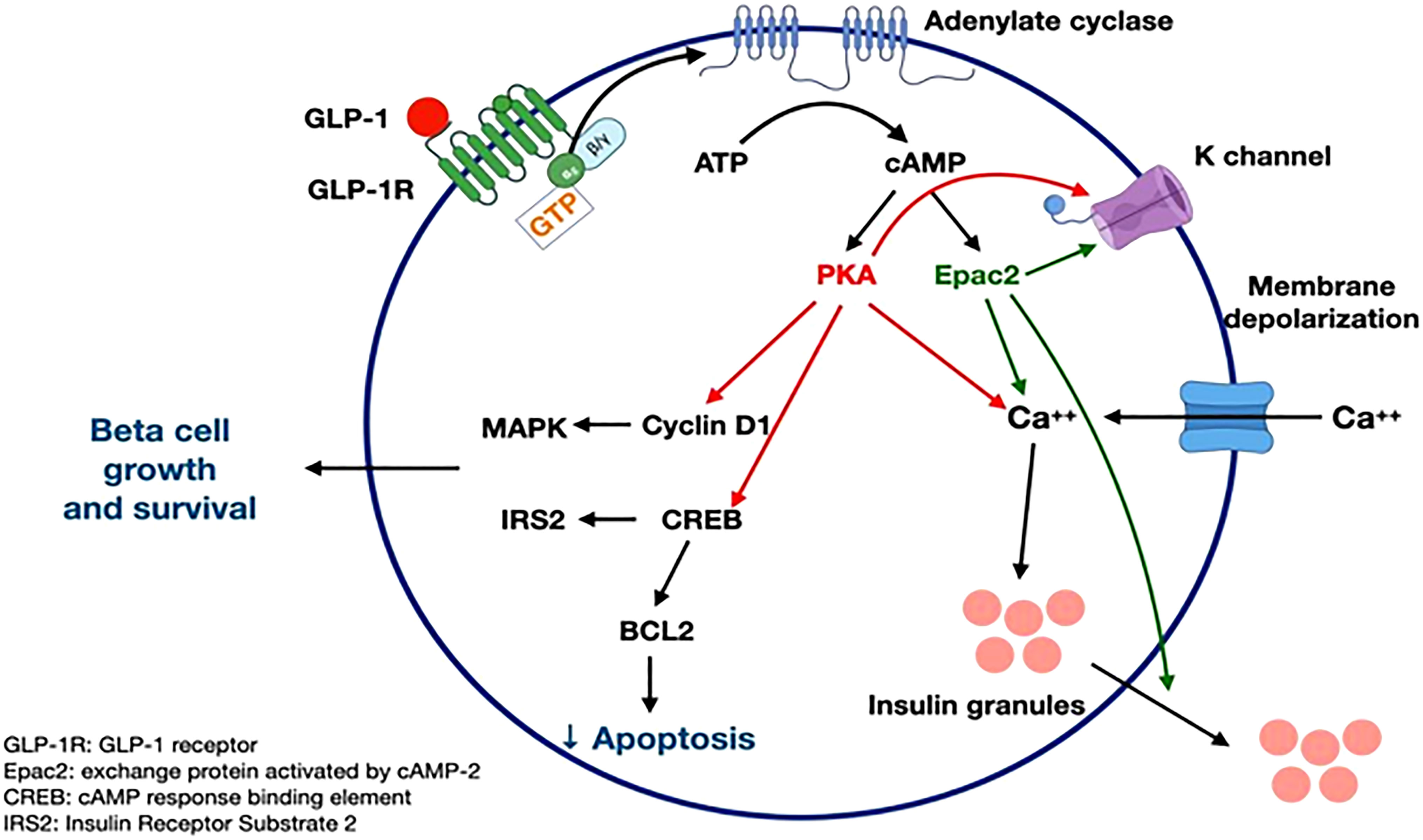
- Promoting insulin release: GLP-1 stimulates insulin release, which helps regulate blood sugar levels and reduces hunger.
- Activating brain regions involved in appetite regulation: GLP-1 interacts with brain regions that control appetite and satiety, leading to a reduction in hunger.
GLP-1 and Metabolic Balance
GLP-1 also plays a crucial role in metabolic balance. It helps regulate glucose homeostasis by:
- Enhancing insulin sensitivity: GLP-1 improves insulin sensitivity, allowing glucose to enter cells more efficiently.
- Suppressing glucagon release: GLP-1 inhibits glucagon release, which reduces the amount of glucose released from the liver into the bloodstream.
- Increasing glucose uptake: GLP-1 stimulates glucose uptake in the muscles and adipose tissue, further contributing to glucose balance.
The Role of GLP-1 in Weight Management
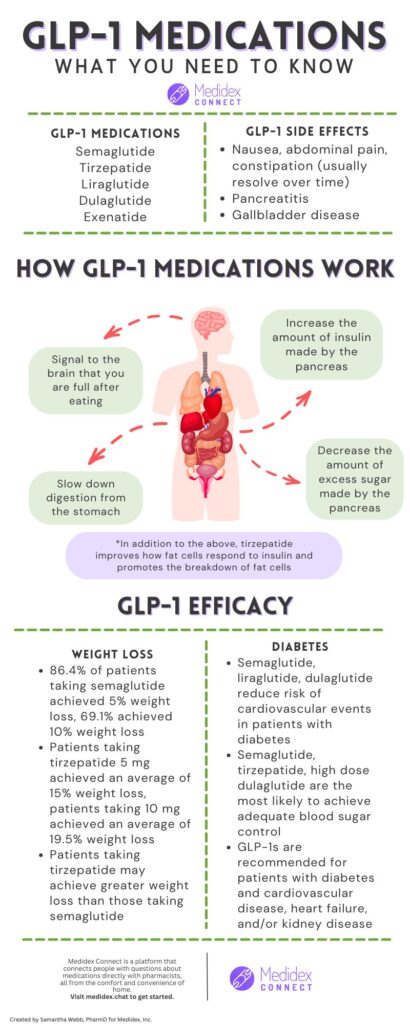
GLP-1's roles in appetite regulation and metabolic balance make it a key player in weight management. Studies have shown that GLP-1 receptor agonists, such as semaglutide, lead to significant weight loss by reducing hunger and slowing digestion. Additionally, natural GLP-1 boosters, such as fiber, protein, and certain supplements, can support weight loss and metabolic health.
Natural Ways to Boost GLP-1 Levels
A number of natural habits and ingredients can help boost GLP-1 levels and support appetite control and metabolic balance. These include:
- Consuming a high-fiber diet
- Incorporating protein-rich foods
- Practicing regular physical activity
- Getting adequate sleep
- Managing stress levels
Conclusion
The role of GLP-1 in appetite regulation and calorie balance is multifaceted and complex. By understanding how GLP-1 works, individuals can take steps to support their metabolic health and weight management goals. Whether through natural means or GLP-1 receptor agonists, it is clear that GLP-1 plays a vital role in the body's natural hunger and fullness signals.