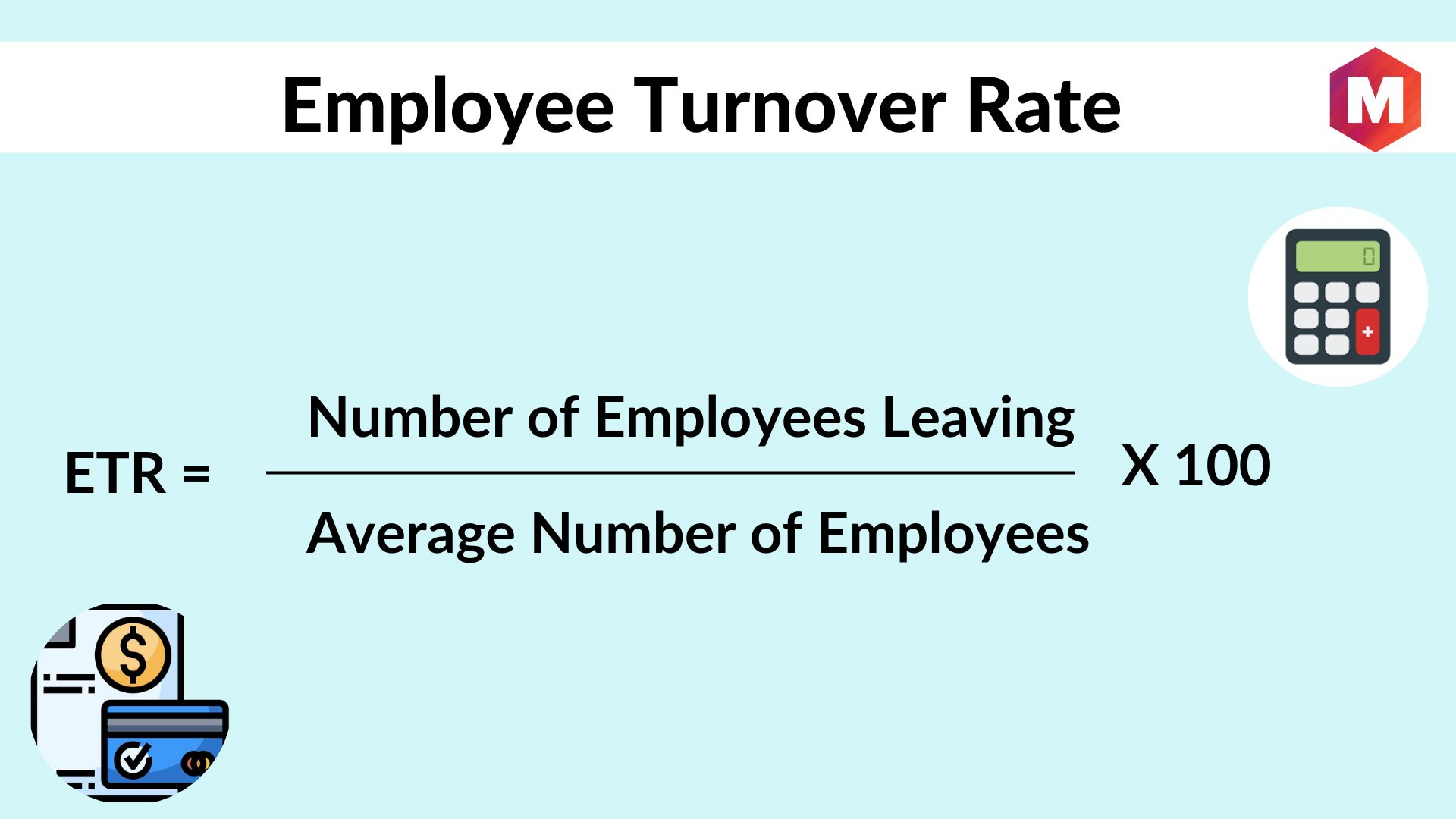
Reducing Remote Team Turnover Rates: Strategies for Success
With the rapid growth of remote work, many organizations are facing a new challenge: maintaining high employee retention rates among their dispersed teams. Reducing remote team turnover rates requires a deep understanding of the unique needs and challenges of remote employees, as well as a willingness to adapt to the changing face of work.
The Challenge of Remote Employee Turnover
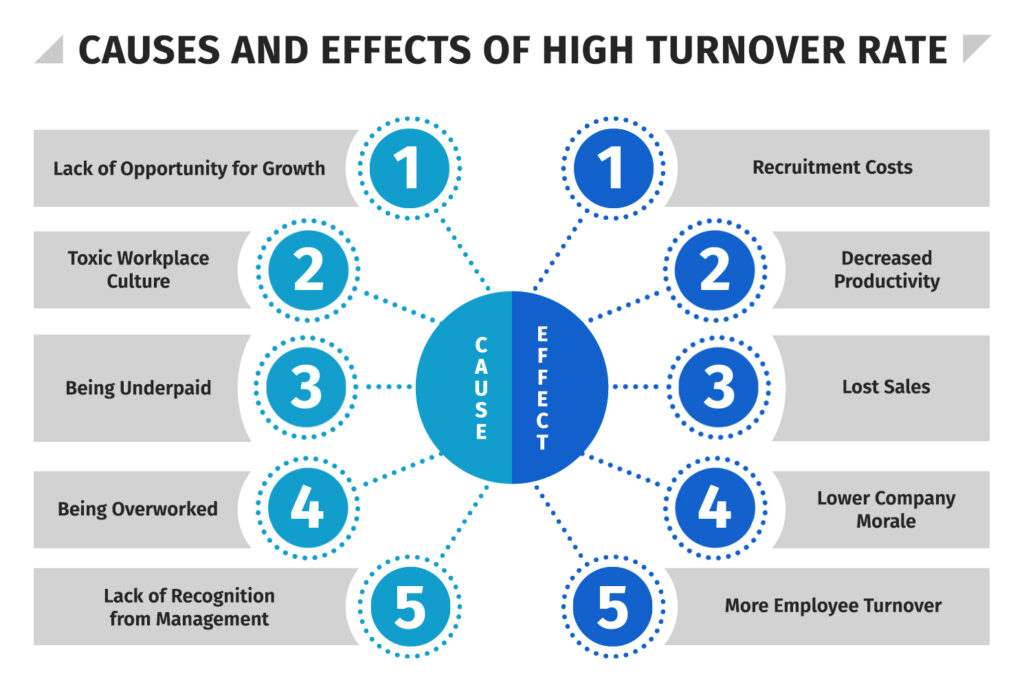
Remote employee turnover rates are often higher than those of their in-office counterparts, especially among new hires who struggle to feel connected to the team and the company culture. Common causes of remote employee turnover include unclear expectations, inconsistent communication, hidden workload imbalances, and weak management rhythms.
- Unclear expectations: Remote employees may struggle to understand what is expected of them, leading to feelings of frustration and burnout.
- Inconsistent communication: Remote teams often face challenges around communication, leading to misunderstandings and conflicts.
- Hidden workload imbalances: Remote employees may feel overwhelmed by an uneven distribution of workload, leading to stress and burnout.
- Weak management rhythms: Remote teams often require additional support and structure to succeed, but may not have the same level of management oversight as in-office teams.
Strategies for Reducing Remote Team Turnover Rates
1. Foster a Strong Company Culture
Creating a strong company culture that extends beyond the office walls is crucial for reducing remote team turnover rates. This can be achieved by:
- Establishing clear values and mission
- Creating opportunities for socializing and team-building
- Encouraging open communication and feedback
2. Develop Effective Onboarding Processes
Providing a comprehensive onboarding process is critical for remote employees to feel supported and prepared for their new role. This can include:

- Clear and concise onboarding documentation
- Regular check-ins and feedback sessions
- Training and support for essential skills and tools
3. Implement Regular Feedback and Communication
Regular feedback and communication are essential for remote teams to stay connected and motivated. This can include:
- Regular team meetings and check-ins
- One-on-one meetings and feedback sessions
- Project management tools and collaboration software
4. Provide Flexibility and Work-Life Balance
Providing flexibility and work-life balance is critical for remote employees to maintain a healthy work-life balance. This can include:
- Flexible work arrangements and scheduling
- Autonomy and independence in work
- Support for work-from-home responsibilities and distractions
Conclusion
Reducing remote team turnover rates requires a deliberate and proactive approach to building a strong company culture, developing effective onboarding processes, implementing regular feedback and communication, and providing flexibility and work-life balance. By prioritizing the unique needs and challenges of remote employees, organizations can create a thriving and motivated remote workforce that drives success and growth.