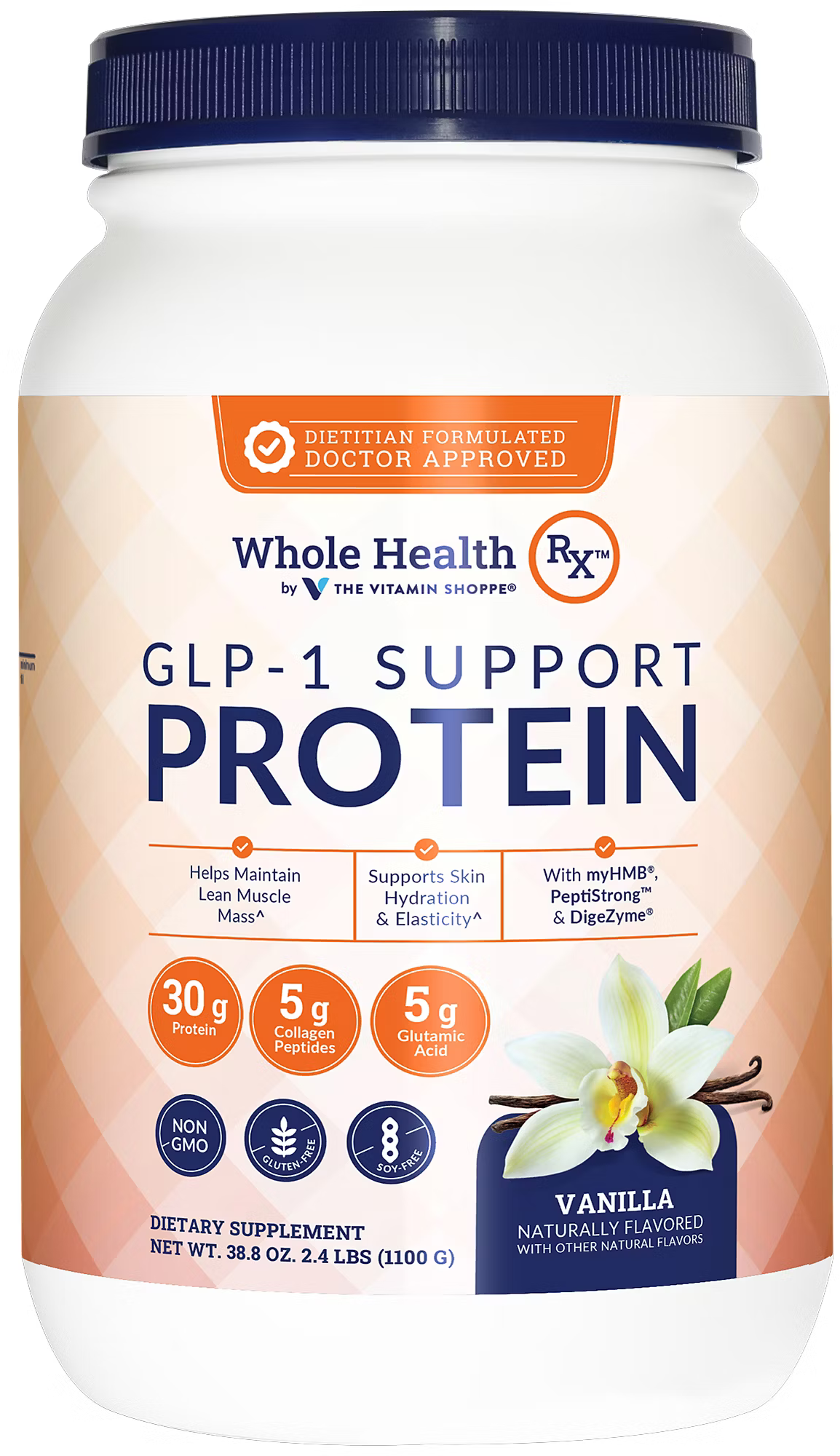
Pre-diabetes diets that incorporate GLP-1 and vitamin D: A comprehensive guide
Pre-diabetes is a condition in which blood sugar levels are higher than normal but not high enough to be classified as diabetes. In fact, people with pre-diabetes are at a higher risk of developing type 2 diabetes and cardiovascular disease. One effective way to manage pre-diabetes is through diet and lifestyle changes, incorporating specific nutrients and medications that support glucagon-like peptide-1 (GLP-1) and vitamin D.
What is GLP-1 and how does it relate to pre-diabetes diets?
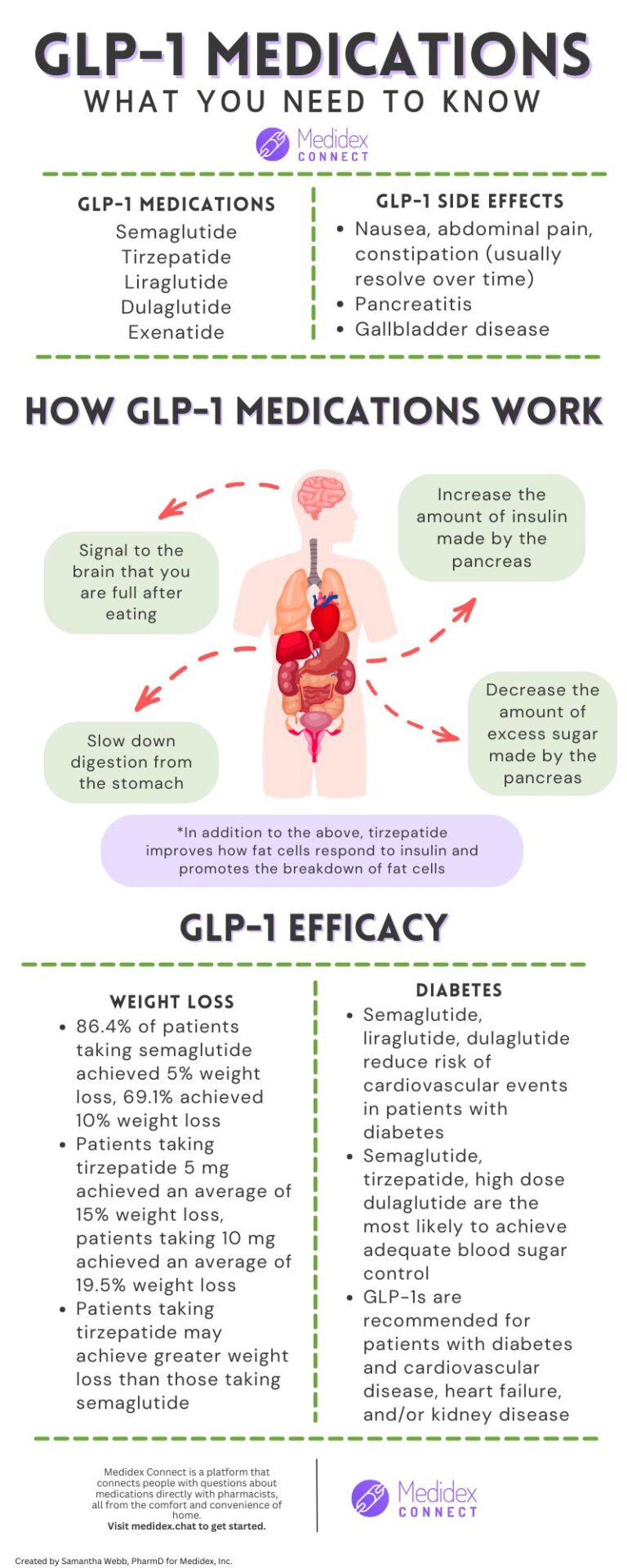
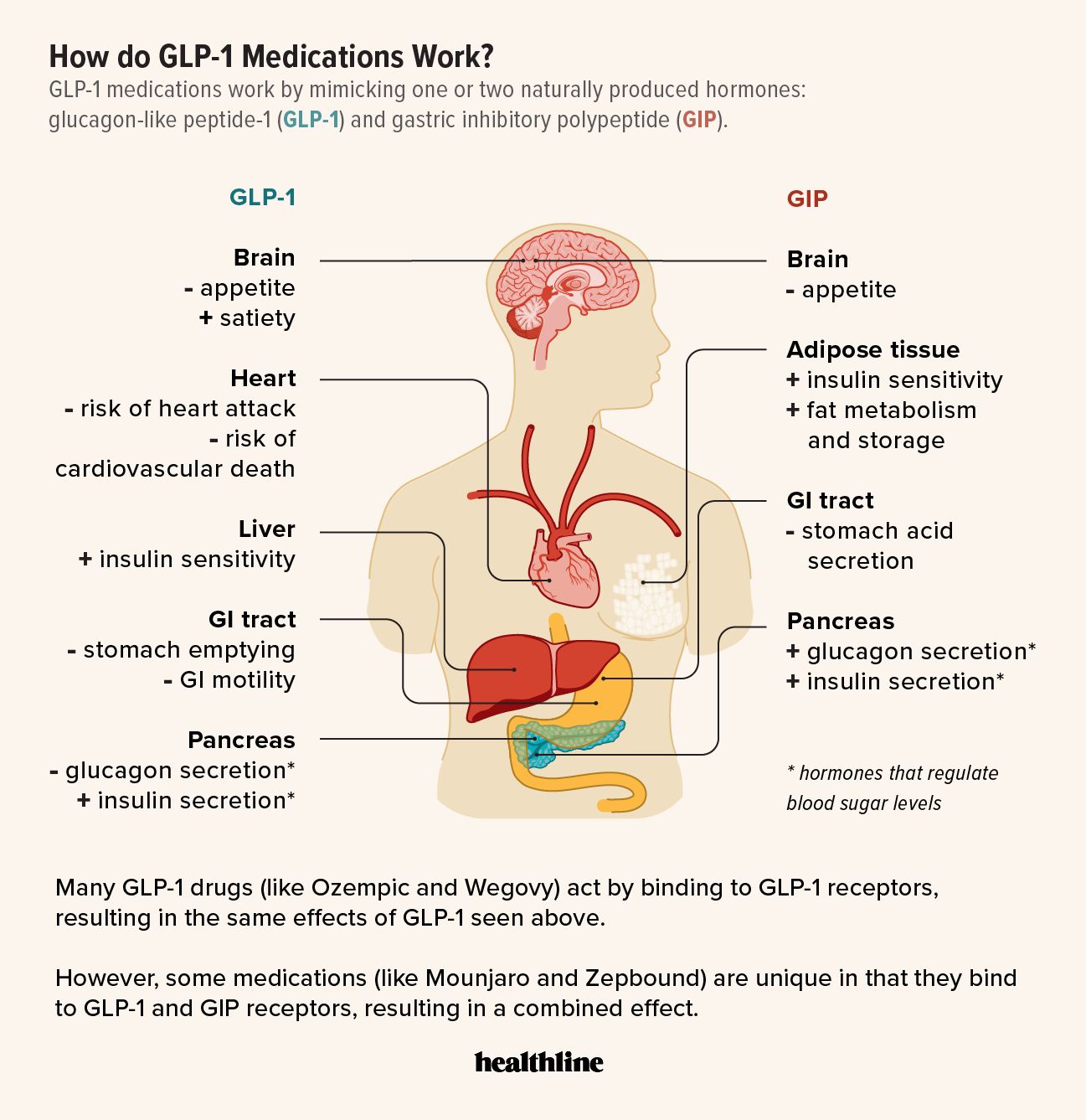
GLP-1 is a hormone that plays a crucial role in glucose metabolism and appetite regulation. People with pre-diabetes or type 2 diabetes often have impaired GLP-1 function, leading to increased hunger and blood sugar levels.
GLP-1 medications, such as Zepbound, Ozempic, and Saxenda, have been shown to be effective in weight loss and improved glycemic control in people with pre-diabetes and type 2 diabetes. However, when used in conjunction with a diet, GLP-1 medications work even better in enhancing their effectiveness and minimizing potential side effects.
Benefits of incorporating vitamin D into pre-diabetes diets
Vitamin D is essential for maintaining healthy blood sugar levels, immune function, and overall well-being. Observational studies have associated low vitamin D levels with an increased risk of type 2 diabetes. In fact, vitamin D supplementation has been shown to lower the risk of type 2 diabetes in people with low vitamin D levels.
When individuals with pre-diabetes incorporate vitamin D into their diets, they can reduce their risk of developing type 2 diabetes and improve their overall health outcomes. Foods rich in vitamin D, such as fatty fish, egg yolks, and fortified dairy products, can be a great starting point for individuals looking to boost their vitamin D levels.
Key nutrients that augment the natural release of GLP-1

Protein, prebiotics, healthy fats, and probiotics are some essential nutrients that can augment the natural release of GLP-1. Incorporating these nutrients into your diet can help improve glucose metabolism, enhance weight loss, and reduce the risk of developing type 2 diabetes.
- Protein**: High protein foods such as lean meats, fish, eggs, and dairy products stimulate the release of GLP-1, reducing appetite and improving glucose metabolism.
- Prebiotics**: Prebiotic-rich foods like asparagus, bananas, and onions feed the good bacteria in the gut, supporting the production of short-chain fatty acids, which stimulate the release of GLP-1.
- Healthy fats**: Nuts, seeds, and avocados are rich in healthy fats that support the production of GLP-1 and improve insulin sensitivity.
- Probiotics**: Certain strains of probiotics, such as Bifidobacterium and Lactobacillus, have been shown to enhance GLP-1 levels, leading to improved glycemic control and weight loss.
Key foods to include and avoid on a GLP-1 diet with vitamin D
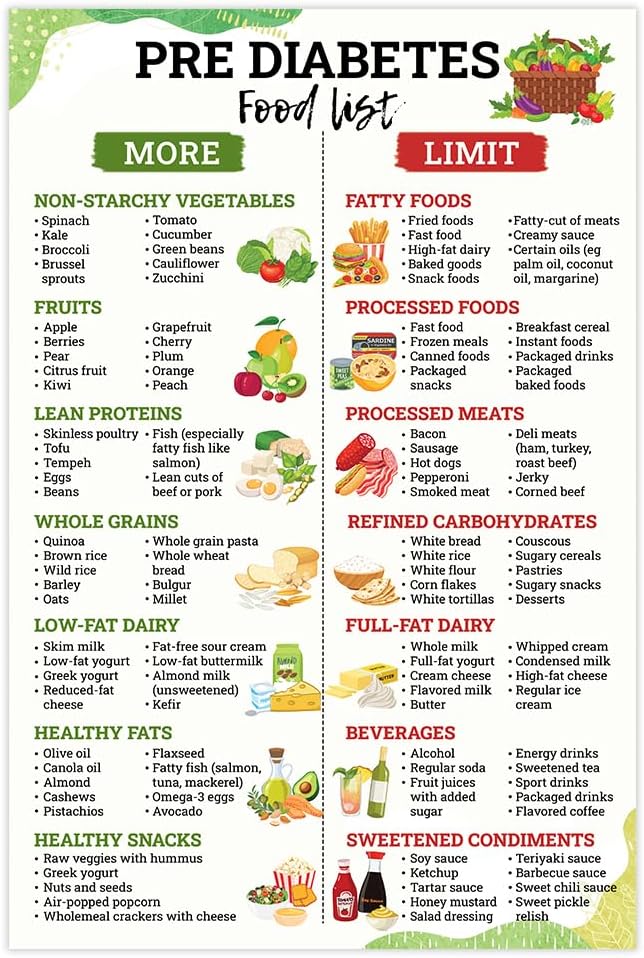
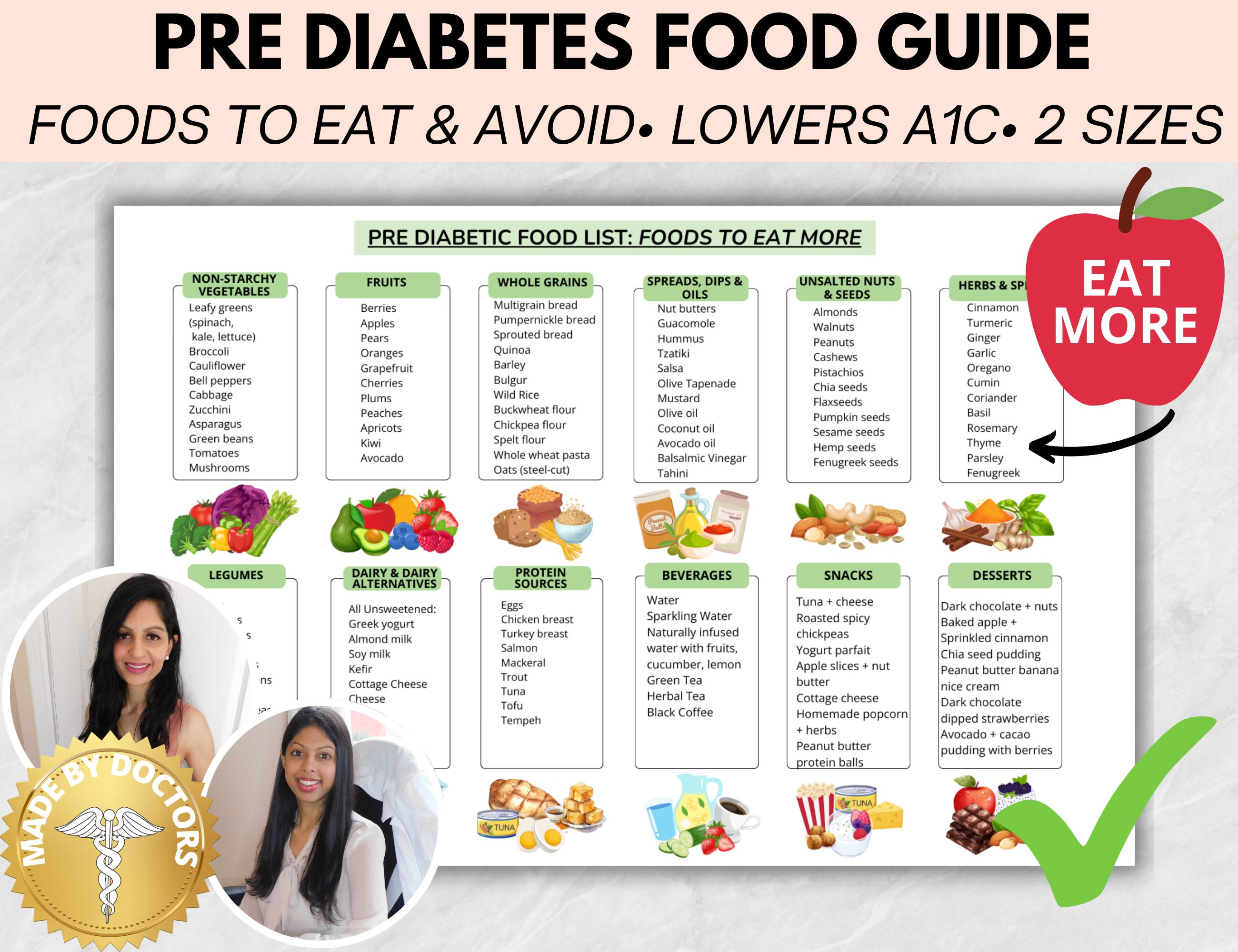
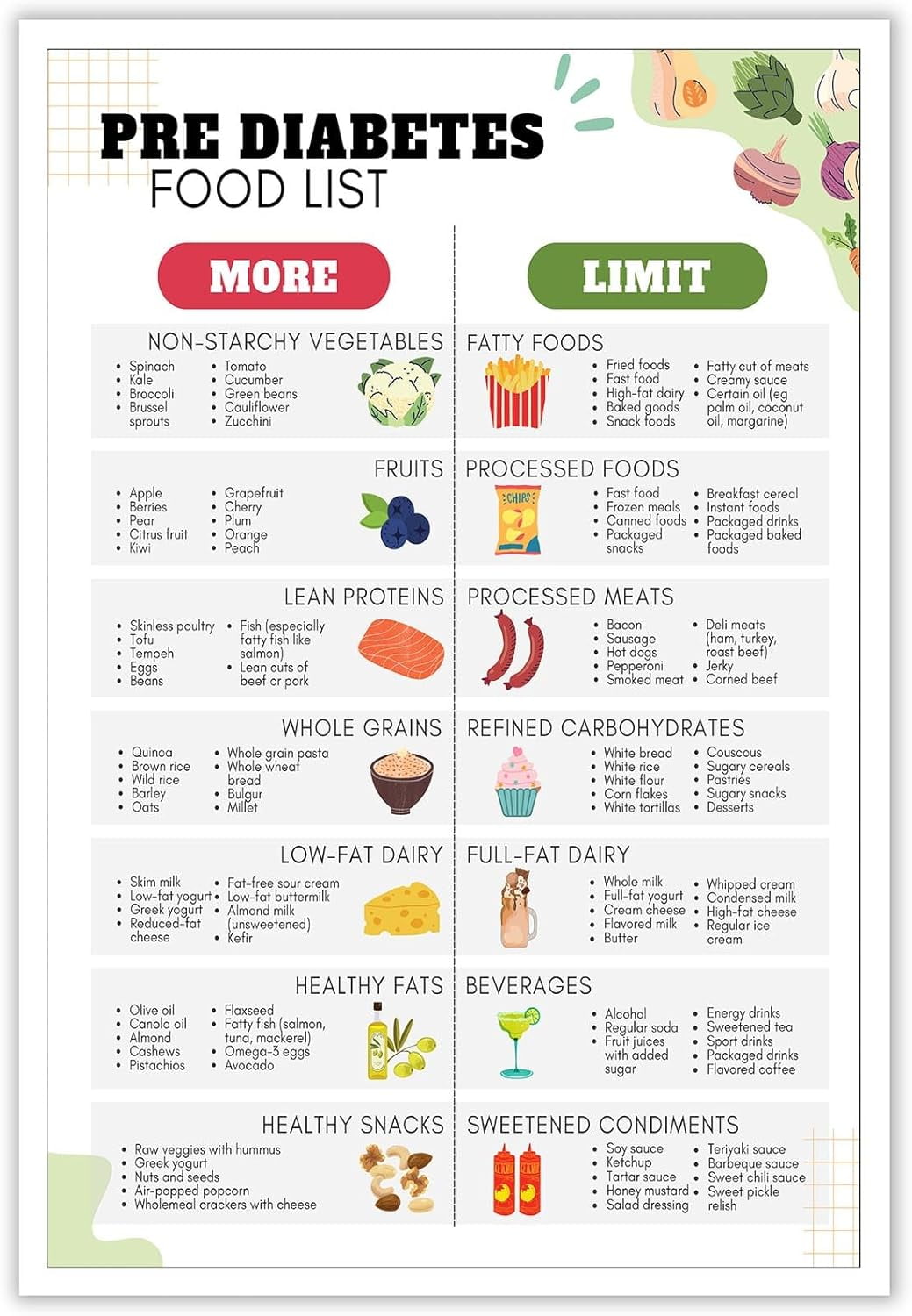
Some essential foods to include in a GLP-1 diet with vitamin D include:
- Fatty fish**: Fatty fish like salmon, mackerel, and sardines are rich in vitamin D and omega-3 fatty acids, supporting heart health and insulin sensitivity.
- Fortified dairy products**: Fortified dairy products like milk, cheese, and yogurt contain added vitamin D, supporting bone health and immune function.
- Nuts and seeds**: Nuts and seeds like almonds, chia seeds, and flaxseeds are rich in healthy fats and fiber, supporting satiety and weight loss.
Some unhealthy foods to avoid on a GLP-1 diet with vitamin D include:
- Added sugars**: Consuming high amounts of added sugars can impair GLP-1 function, leading to increased hunger and weight gain.
- Refined carbohydrates**: Refined carbohydrates like white bread, pasta, and sugary snacks can cause spikes in blood sugar levels, reducing GLP-1 levels and insulin sensitivity.
- Saturated and trans fats**: Saturated and trans fats found in processed meats, fried foods, and baked goods can negatively impact GLP-1 function and overall health.