Understanding Metformin and GLP-1 Agonists: A Comprehensive Guide
Metformin and GLP-1 agonists are two popular medications used to manage type 2 diabetes. While they share some similarities, they have distinct differences in terms of how they work, their effects on blood sugar control, and their side effects. In this article, we will delve into the world of metformin and GLP-1 agonists, exploring their differences, benefits, and treatment options for diabetes management.
Differences Between Metformin and GLP-1 Agonists
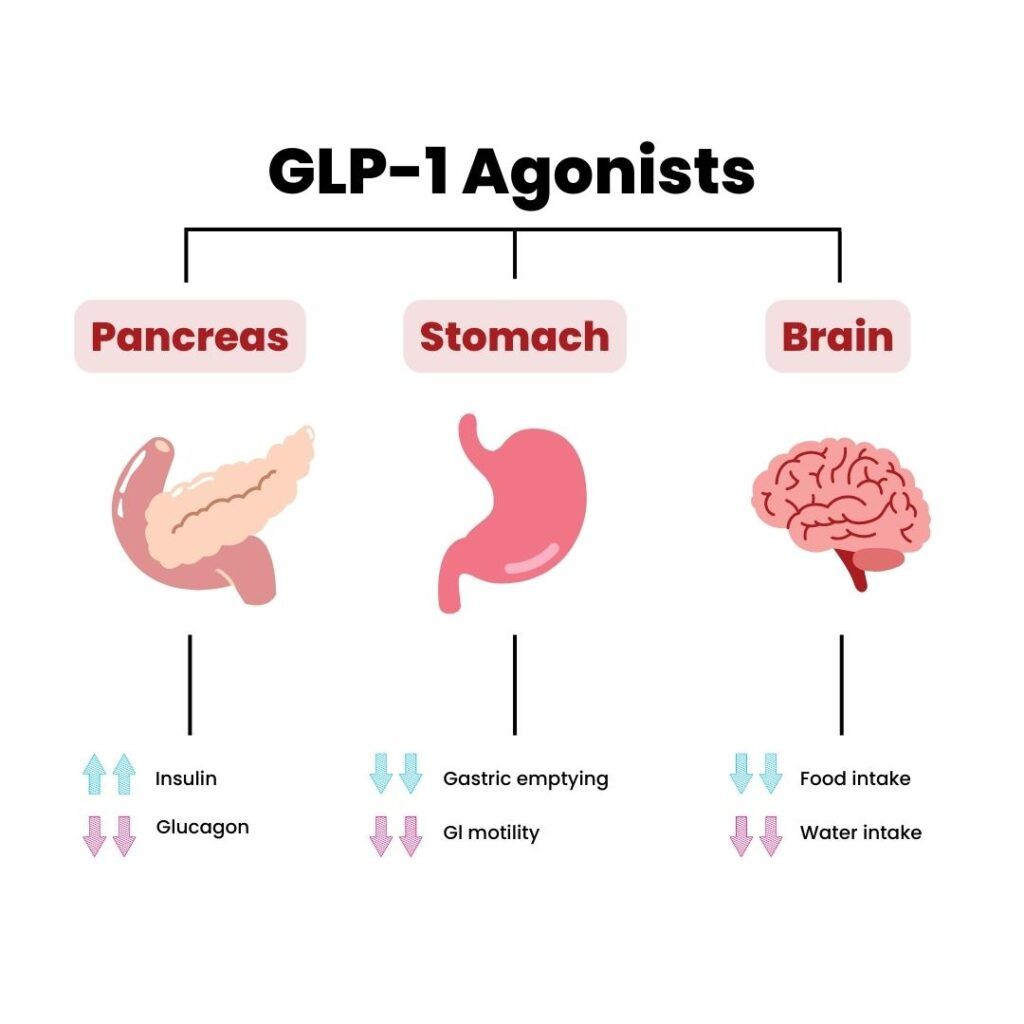
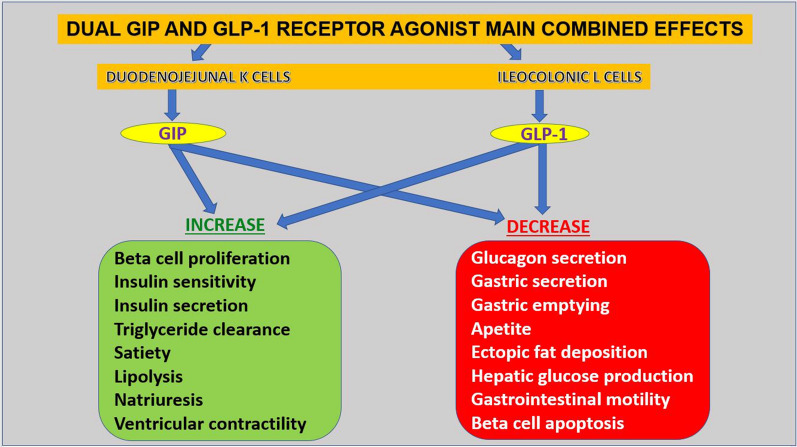
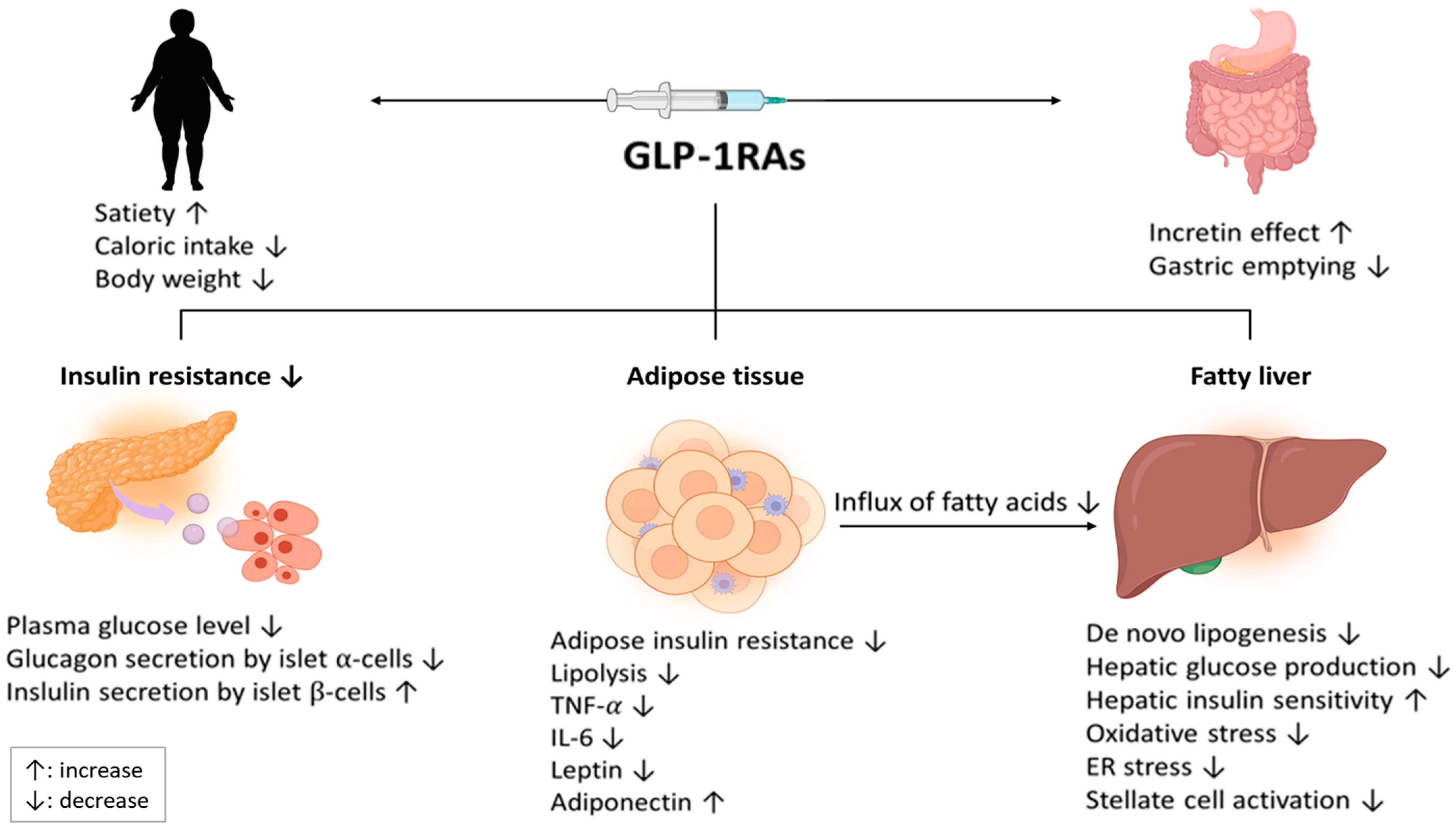
Metformin is an oral medication that works by reducing glucose production in the liver and improving insulin sensitivity. On the other hand, GLP-1 agonists are injectable medications that mimic the effects of the naturally occurring hormone glucagon-like peptide-1 (GLP-1), which plays a crucial role in regulating insulin secretion, glucose homeostasis, and appetite.
GLP-1 Agonists vs. Metformin: Which is More Effective?
Studies have shown that GLP-1 agonists can be more effective than metformin in reducing A1C levels and promoting weight loss. However, metformin is a well-established and affordable option that has been used for decades to manage type 2 diabetes. The choice between GLP-1 agonists and metformin ultimately depends on individual health profiles, treatment goals, and budgets.
Key Differences in Side Effects and Lifestyle Impact
GLP-1 agonists have been associated with a higher risk of gastrointestinal side effects, such as nausea and vomiting, compared to metformin. Additionally, GLP-1 agonists can cause thyroid C-cell tumors in rats, although the human relevance of this finding is still unclear. Metformin, on the other hand, can cause gastrointestinal side effects, such as diarrhea and stomach upset, but these are generally mild and temporary.
Treatment Options and Real-World Experiences
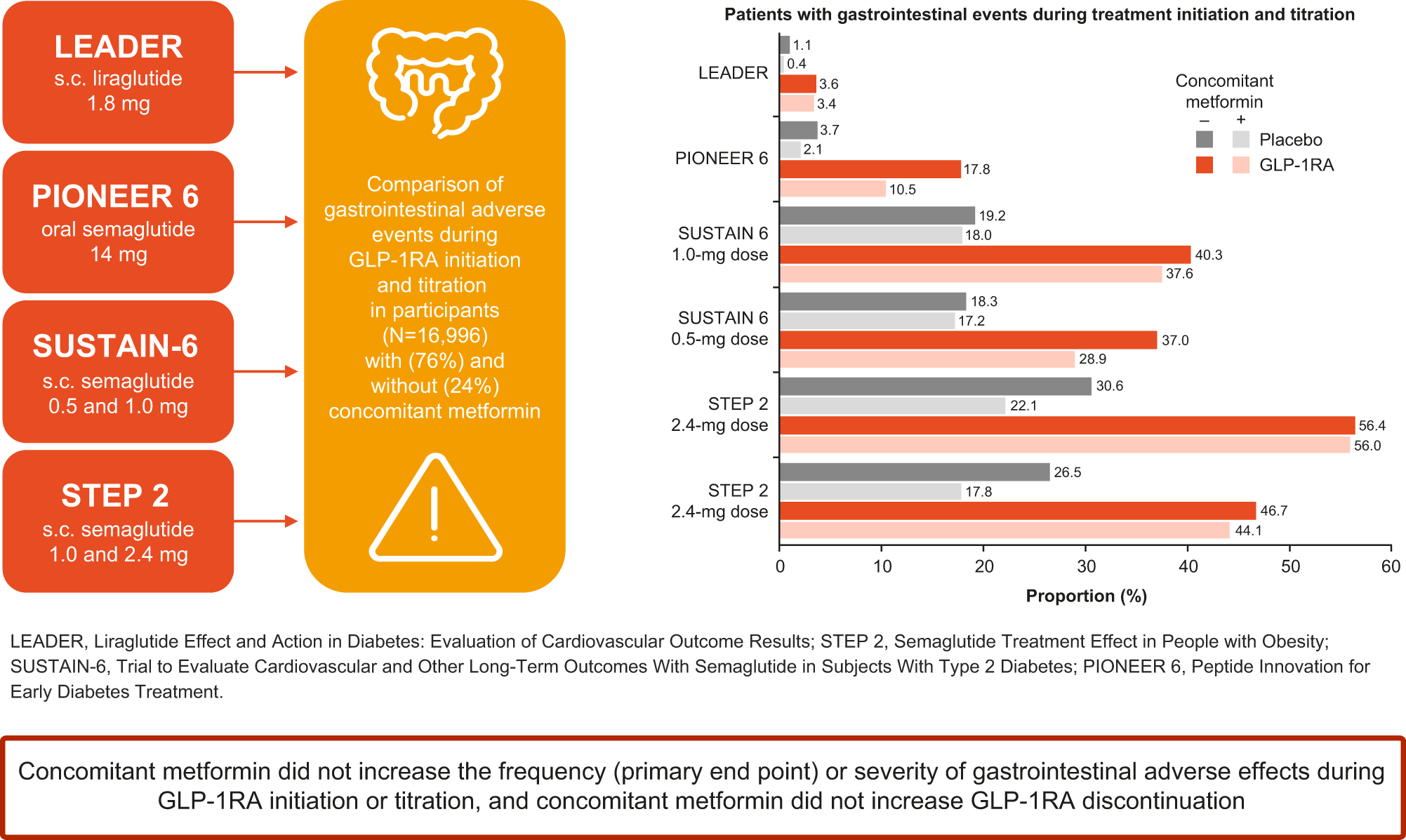
In real-world settings, patients with type 2 diabetes often require a combination of medications to achieve optimal glycemic control. While GLP-1 agonists have shown promise in reducing A1C levels and promoting weight loss, metformin remains a popular choice due to its affordability and well-established safety profile. Ultimately, the best treatment option for an individual patient depends on their unique health needs and circumstances.
Emerging Research and Future Directions
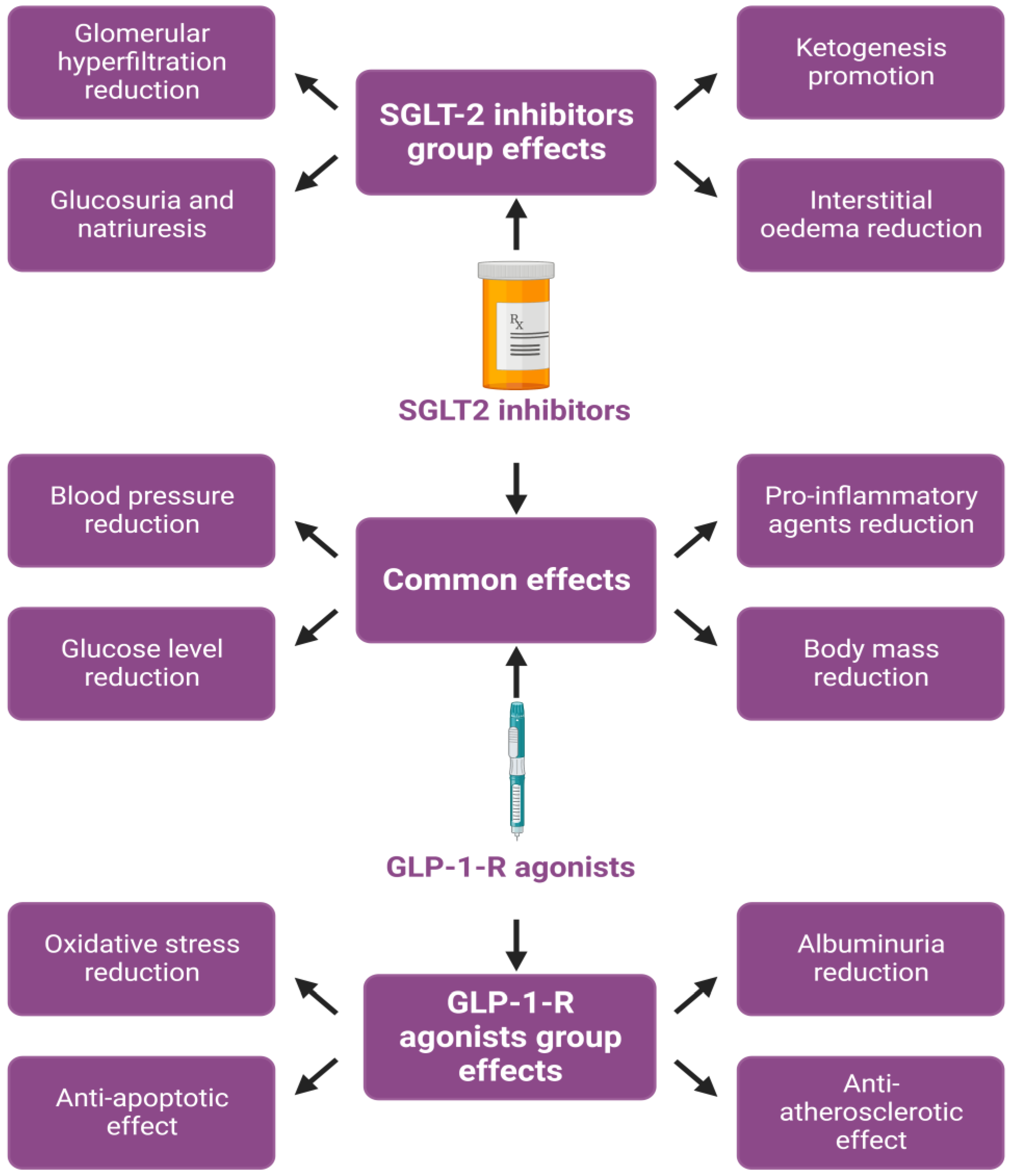
Recent studies have explored the use of GLP-1 agonists in combination with other medications, such as DPP-4 inhibitors and SGLT2 inhibitors, to improve glycemic control and weight loss. Additionally, researchers are investigating the potential benefits of GLP-1 agonists in managing polycystic ovary syndrome (PCOS) and other metabolic disorders. As our understanding of GLP-1 agonists and metformin continues to evolve, we can expect to see new and innovative treatment options emerge in the future.
Conclusion
In conclusion, metformin and GLP-1 agonists are two distinct medications used to manage type 2 diabetes. While GLP-1 agonists have shown promise in reducing A1C levels and promoting weight loss, metformin remains a well-established and affordable option. As we continue to explore the differences and benefits of these medications, we can expect to see new and innovative treatment options emerge in the future. By understanding the intricacies of metformin and GLP-1 agonists, patients and healthcare providers can make informed decisions about the best course of treatment for individuals with type 2 diabetes.
Key Takeaways
- Metformin and GLP-1 agonists are two distinct medications used to manage type 2 diabetes.
- GLP-1 agonists have shown promise in reducing A1C levels and promoting weight loss, but may be associated with a higher risk of gastrointestinal side effects.
- Metformin is a well-established and affordable option that has been used for decades to manage type 2 diabetes.
- The choice between GLP-1 agonists and metformin depends on individual health profiles, treatment goals, and budgets.
- Emerging research is exploring the use of GLP-1 agonists in combination with other medications and for the management of polycystic ovary syndrome (PCOS) and other metabolic disorders.