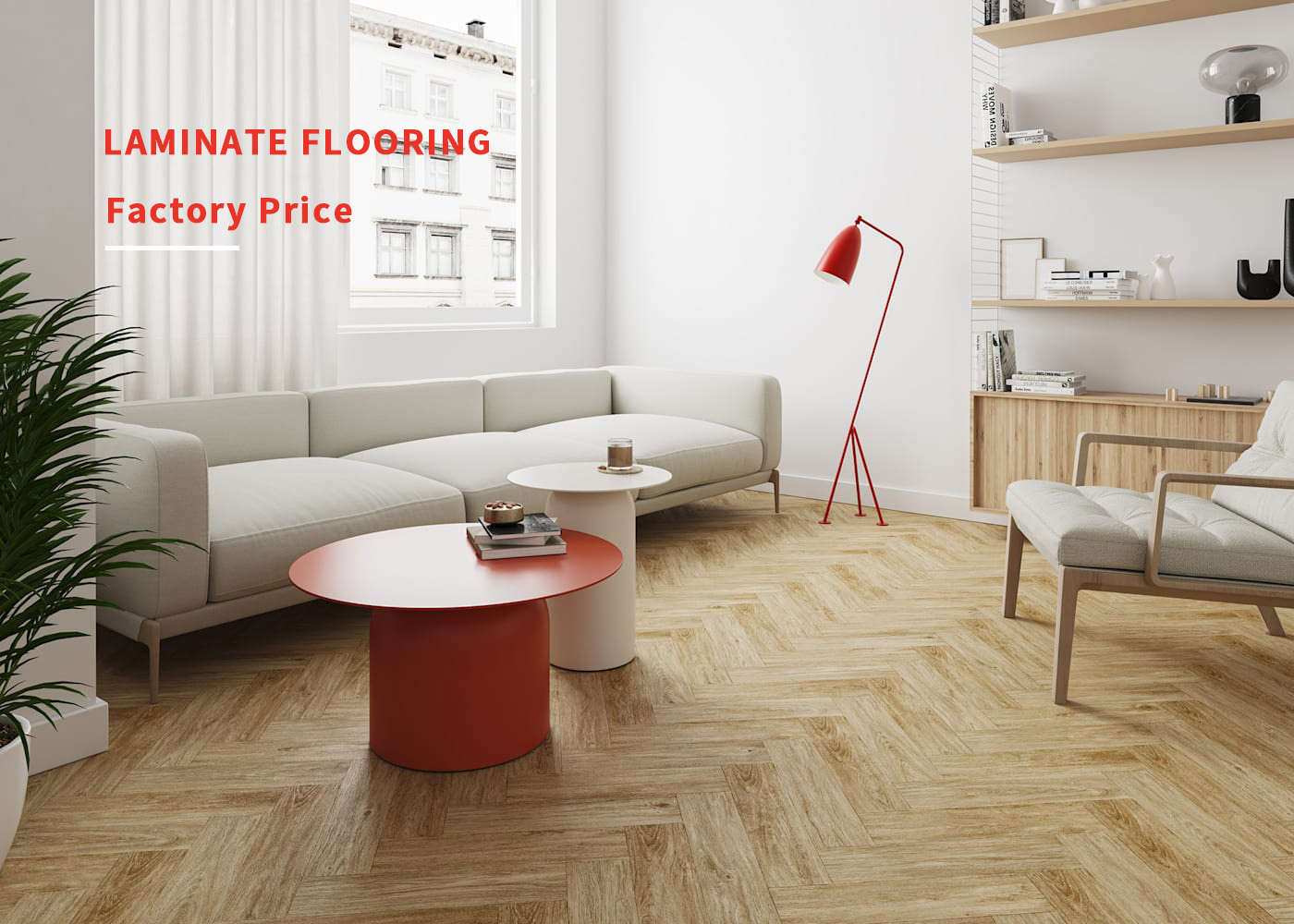
Laminate Flooring Water Resistance: A Comprehensive Guide
Laminate flooring has become a popular choice for homeowners due to its affordability, durability, and ease of installation. However, its performance in damp or wet conditions often raises questions. In this article, we will explore the concept of water resistance in laminate flooring, its limitations, and what homeowners can do to protect their floors.
What Does Water-Resistant Mean in the Context of Laminate Flooring?
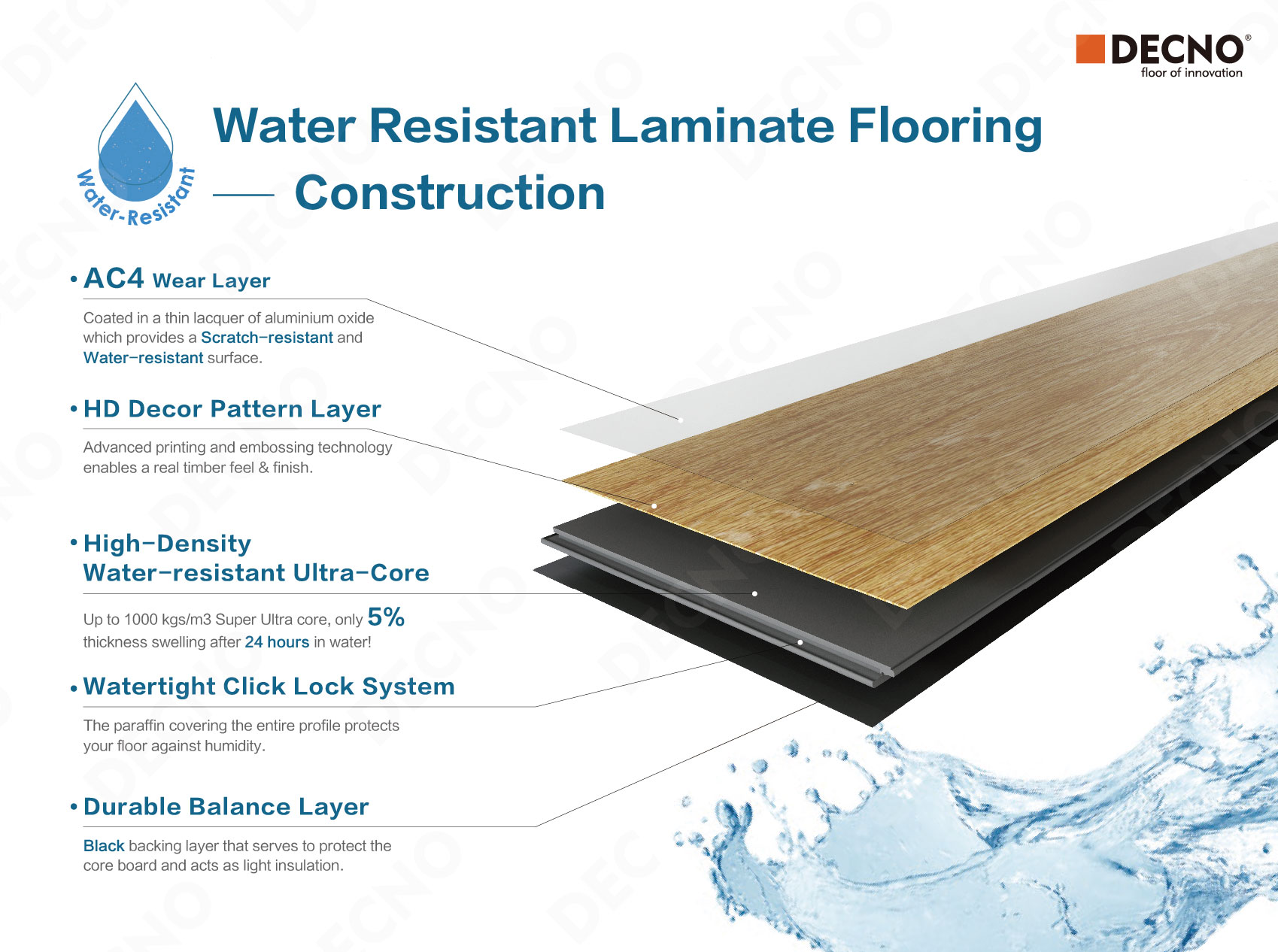
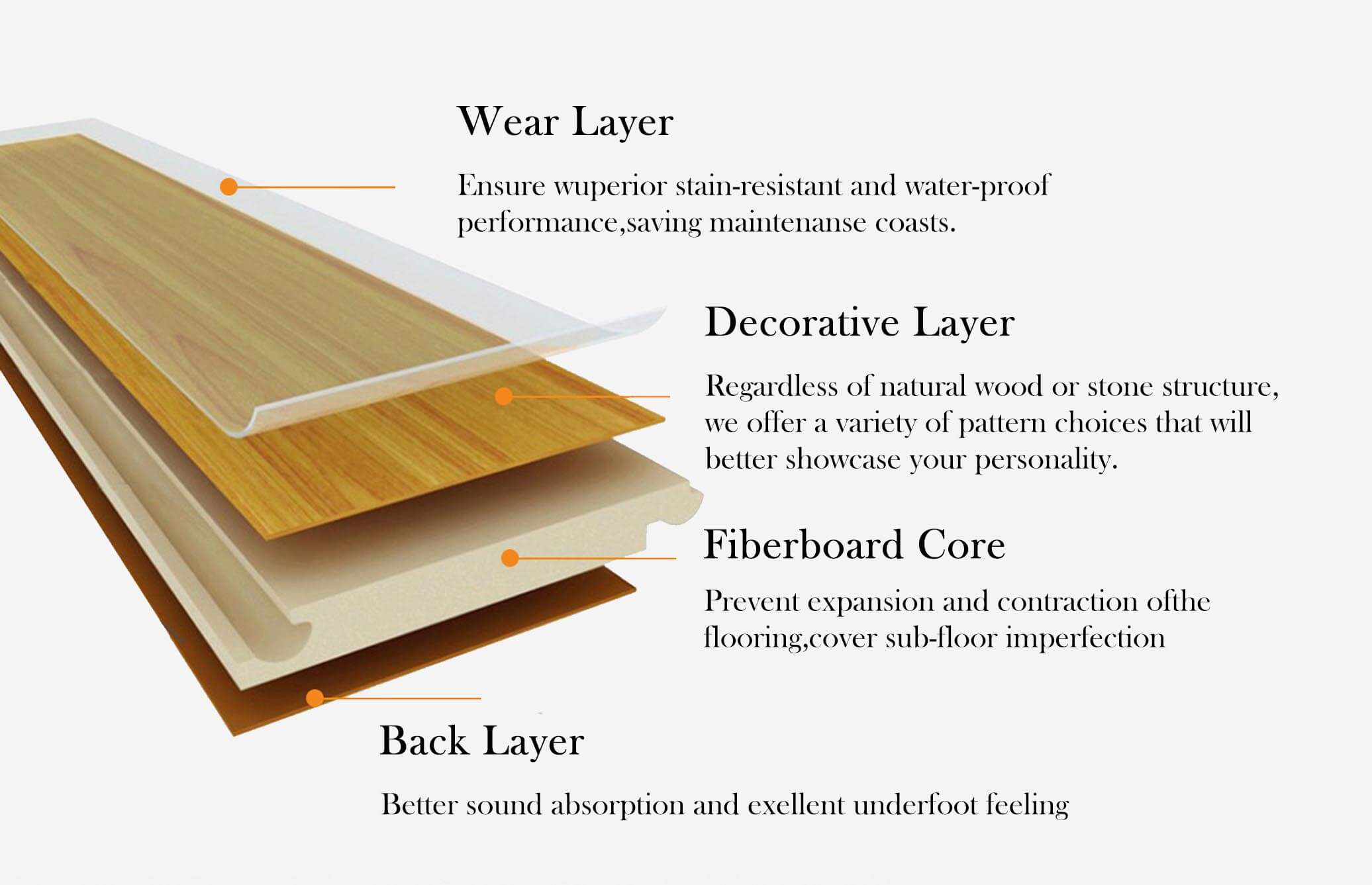
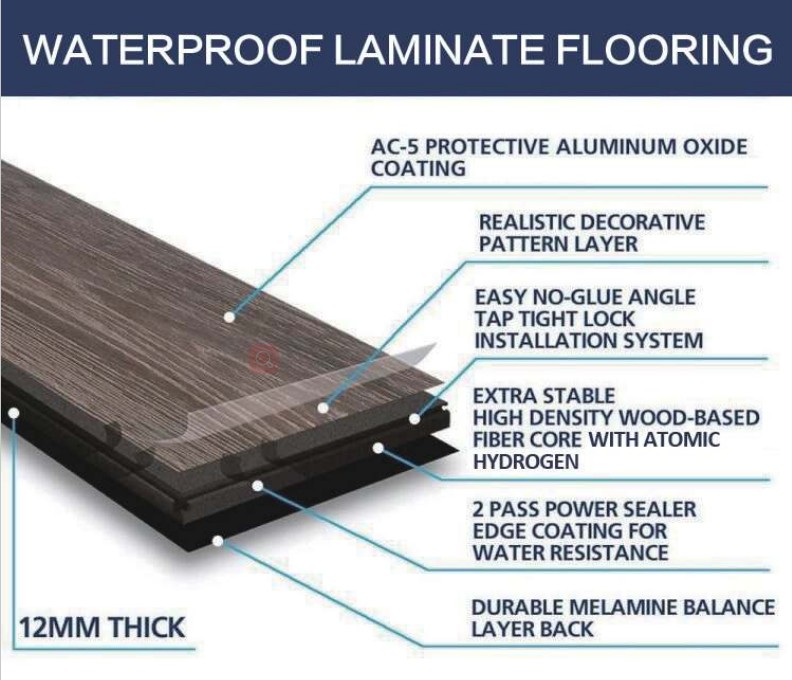
Water-resistant laminate flooring is a type of flooring that looks like wood or stone but can handle spills and splashes better than regular laminate. It's made of layers: a tough top layer, a picture layer that mimics wood, a sturdy core, and a backing. The magic happens in the core and edges, which are treated to resist water for hours – sometimes even days.
How Does Water Interact with Laminate Flooring?
When exposed to standing water, traditional laminate can swell, warp, or delaminate as moisture penetrates the seams and reaches the fiberboard core. Even high-quality laminate can be affected by water if not installed or maintained properly. Water resistance in laminate flooring depends on several factors, including:
- Quality of materials used
- Integrity of the installation (especially seams)
- Protective treatments applied to the product
- Core board composition
Enhancing Water Resistance in Laminate Flooring
While you cannot make laminate flooring completely waterproof, you can enhance its water resistance using certain methods and products:
- Sealant: Apply a waterproof sealant to the edges of the laminate planks during installation. This can help prevent water from seeping between the planks and causing damage.
- Specialized underlayment: Use a waterproof or water-resistant underlayment to provide additional protection against water damage.
- Protective treatments: Look for laminate flooring products with built-in or applied protective treatments that enhance water resistance.
- Proper installation: Ensure that the laminate flooring is installed correctly, with tight seams and proper expansion gaps.
Water-Resistant vs. Waterproof Laminate Flooring

Water-resistant laminate flooring offers basic protection against moisture and is suitable for spaces with occasional spills that are promptly cleaned. In contrast, waterproof laminate is designed to withstand prolonged exposure to water, making it ideal for high-moisture areas like bathrooms and kitchens.
Top Picks for Water-Resistant Laminate Flooring
According to a recent survey, Shaw, AquaGuard, Armstrong, Mohawk, and Tarkett AquaFlor are among the top picks for professional waterproof laminate flooring. These brands develop planks that offer the best protection against spills and flooding. Consider ease of installation, style, additional water protection, and pricing when choosing the right laminate flooring for your home.
Protecting Your Laminate Flooring from Water Damage
In addition to choosing the right water-resistant laminate flooring, there are several things you can do to protect your floors from water damage:
- Clean spills promptly
- Use a water-repellent treatment or sealant
- Regularly inspect and maintain the underlayment
- Ensure proper drainage and air circulation
Upgrade Your Space with Dream Home Water-Resistant Laminate Flooring
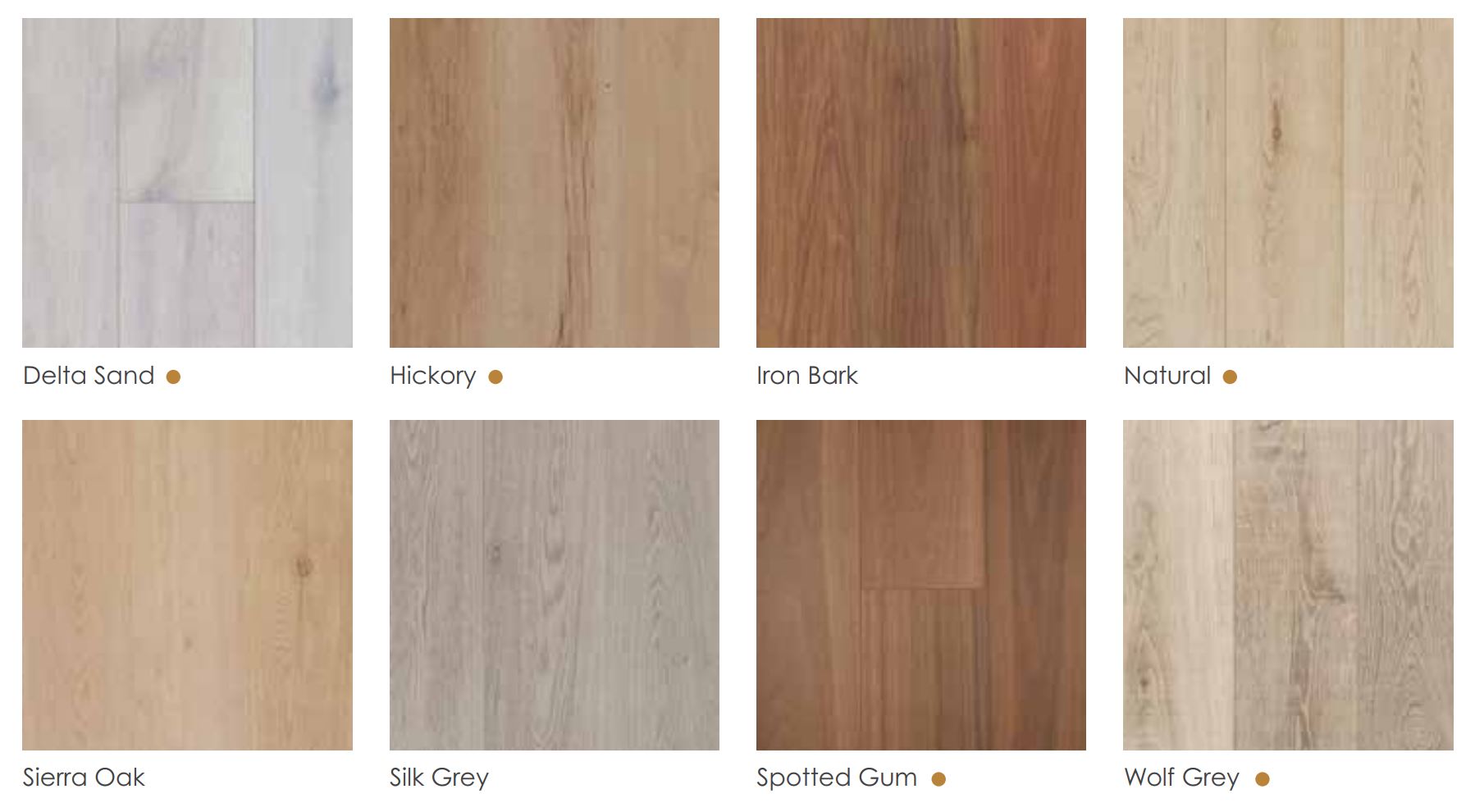
Upgrade your space with Dream Home Water-Resistant Laminate Flooring, designed for durability, style, and everyday performance. Featuring realistic wood and stone looks, this laminate flooring is perfect for kitchens, living rooms, and high-traffic areas.
Conclusion
Laminate flooring can be a beautiful and affordable option for many homeowners. While it's not completely waterproof, you can enhance its water resistance using certain methods and products. By selecting the right laminate flooring, following proper installation and maintenance techniques, and taking steps to protect your floors from water damage, you can enjoy a beautiful and reliable floor for years to come.