Interior Painting for Wood Paneling: A Comprehensive Guide
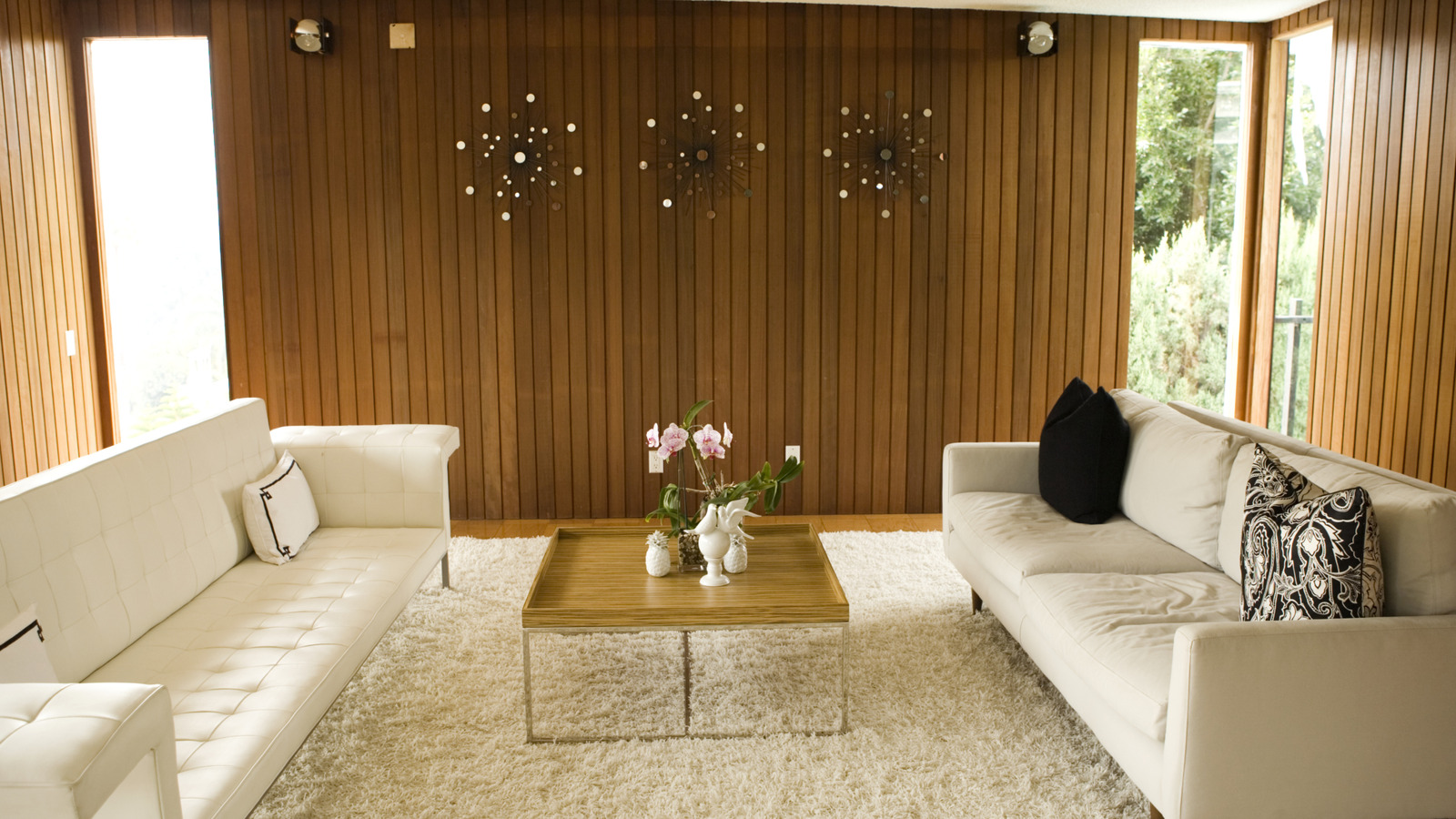
Wood paneling has been a popular choice for interior decoration for decades, adding warmth and texture to rooms. However, as design styles evolve, outdated paneling can make a space look tired and dated. Painting over wood paneling is a cost-effective way to modernize your space without breaking the bank. In this article, we'll explore the process of interior painting for wood paneling, including preparation, techniques, and tips for achieving a professional-looking finish.
Why Paint Wood Paneling?
Painting wood paneling offers several benefits, including:
- Modernizing your space without replacing the paneling
- Covering up scratches and imperfections
- Creating a uniform look throughout the room
- Adding a fresh, bright color to your walls
Preparing for Painting
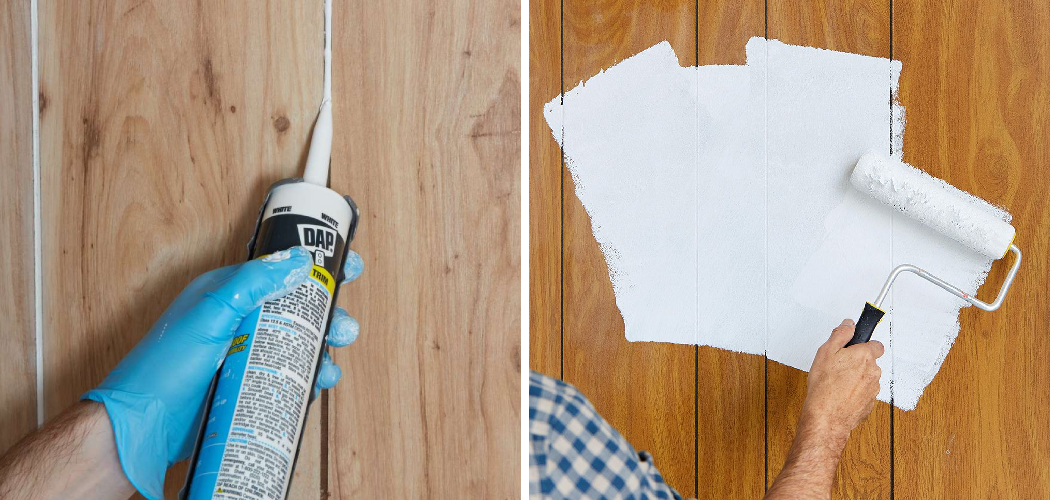
Before you start painting, it's essential to prepare the surface properly. This involves cleaning, sanding, and applying a primer to ensure a smooth finish. Follow these steps:
- Clean the paneling with a mild detergent and water to remove dirt and grime
- Sand the surface to smooth out imperfections and create a better bond between the old paint and the new coat
- Apply a high-quality primer specifically designed for wood paneling
Choosing the Right Paint and Brushes
When selecting paint for wood paneling, consider the following factors:
- Color: Choose a paint that complements the surrounding decor and style
- Finish: Select a paint with a smooth, matte finish to minimize imperfections
- Primer: Use a primer specifically designed for wood paneling to ensure a strong bond between the old paint and the new coat
When it comes to brushes, opt for high-quality, synthetic brushes designed for painting wood surfaces. These brushes will provide a smooth finish and minimize brush marks.

Painting Techniques
Painting wood paneling requires a bit of patience and attention to detail. Here are some techniques to help you achieve a professional-looking finish:
- Use a high-quality roller with an extension pole to cover large areas quickly and evenly
- Apply the first coat of paint in a "W" or "M" pattern to ensure complete coverage
- Allow the first coat to dry completely before applying a second coat, if necessary
- Use a small brush to paint the edges and corners, where the roller can't reach
Common Mistakes to Avoid
Here are some common mistakes to avoid when painting wood paneling:
- Failing to prepare the surface properly, resulting in a poor finish
- Using the wrong type of paint or primer, which can lead to peeling or flaking
- Applying too many coats of paint, resulting in a thick, uneven finish
- Not allowing the paint to dry completely between coats
Conclusion
Painting over wood paneling is a cost-effective way to modernize your space without replacing the paneling. By following the steps outlined in this article, you'll be able to achieve a professional-looking finish that will add warmth and texture to your room. Remember to prepare the surface properly, choose the right paint and brushes, and use proper painting techniques to ensure a smooth, even finish.
Additional Resources
For more information on painting wood paneling, check out these additional resources:
- Local hardware stores and home improvement centers for painting supplies and advice
- Online tutorials and videos for painting techniques and tips
- DIY blogs and websites for inspiration and guidance


/Steven-Miric-56a5ae825f9b58b7d0ddfb08.jpg "How-to Paint Home Interior Paneling | Behr")