Incretin Based Therapy and Protein-Rich Foods: A Match Made in Heaven
In recent years, the world of diabetes management has witnessed a paradigm shift with the emergence of incretin-based therapies. These medications, which mimic the action of incretin hormones, have revolutionized the treatment of type 2 diabetes and obesity. However, one crucial aspect that often goes overlooked is the role of diet in supporting the safe and effective use of these therapies. In this article, we will delve into the world of protein-rich foods and their synergistic relationship with incretin-based therapies.
The Science Behind Incretin-Based Therapies
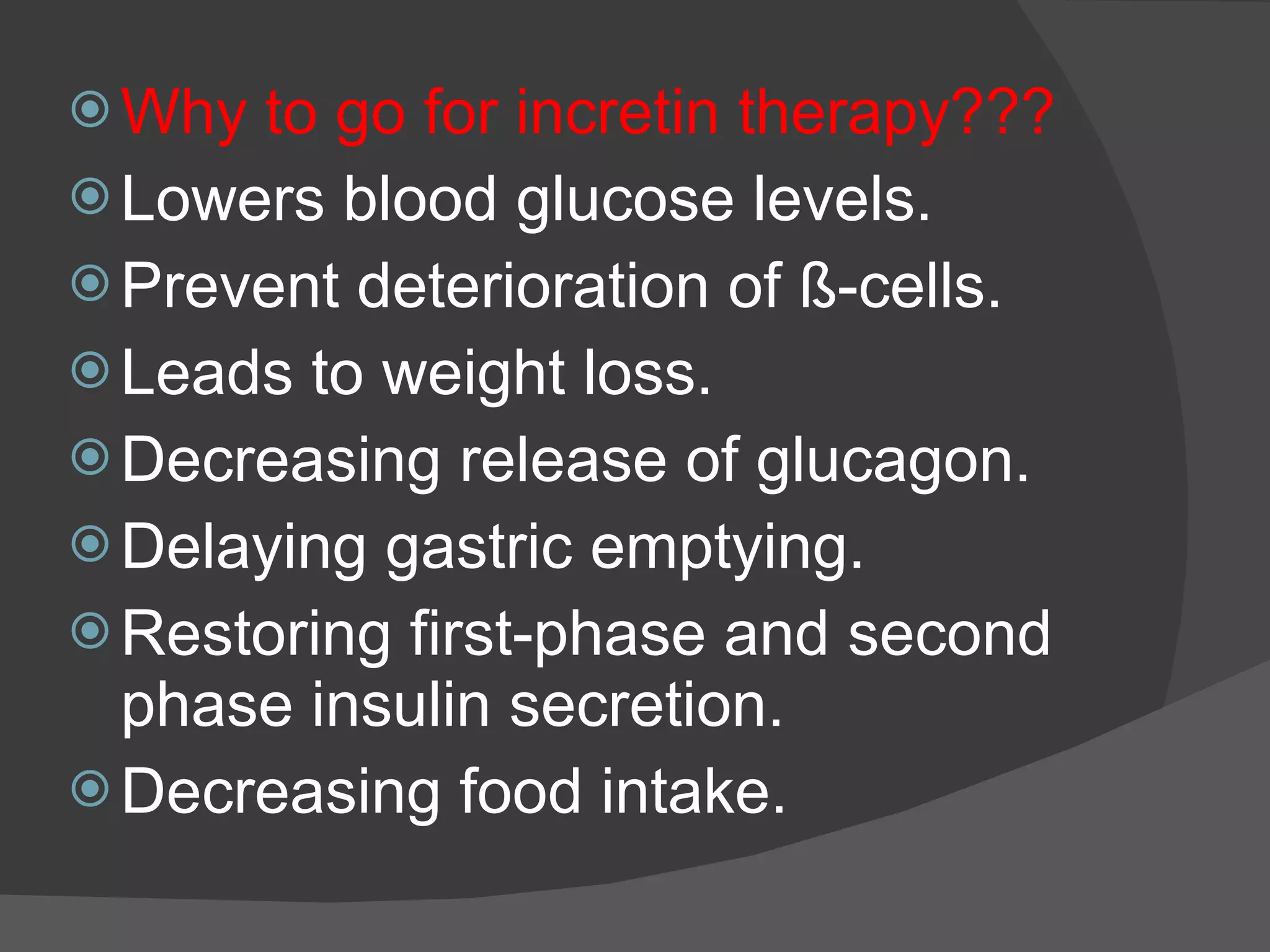
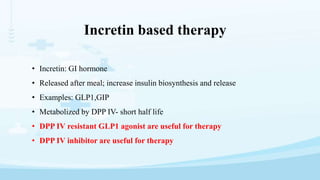
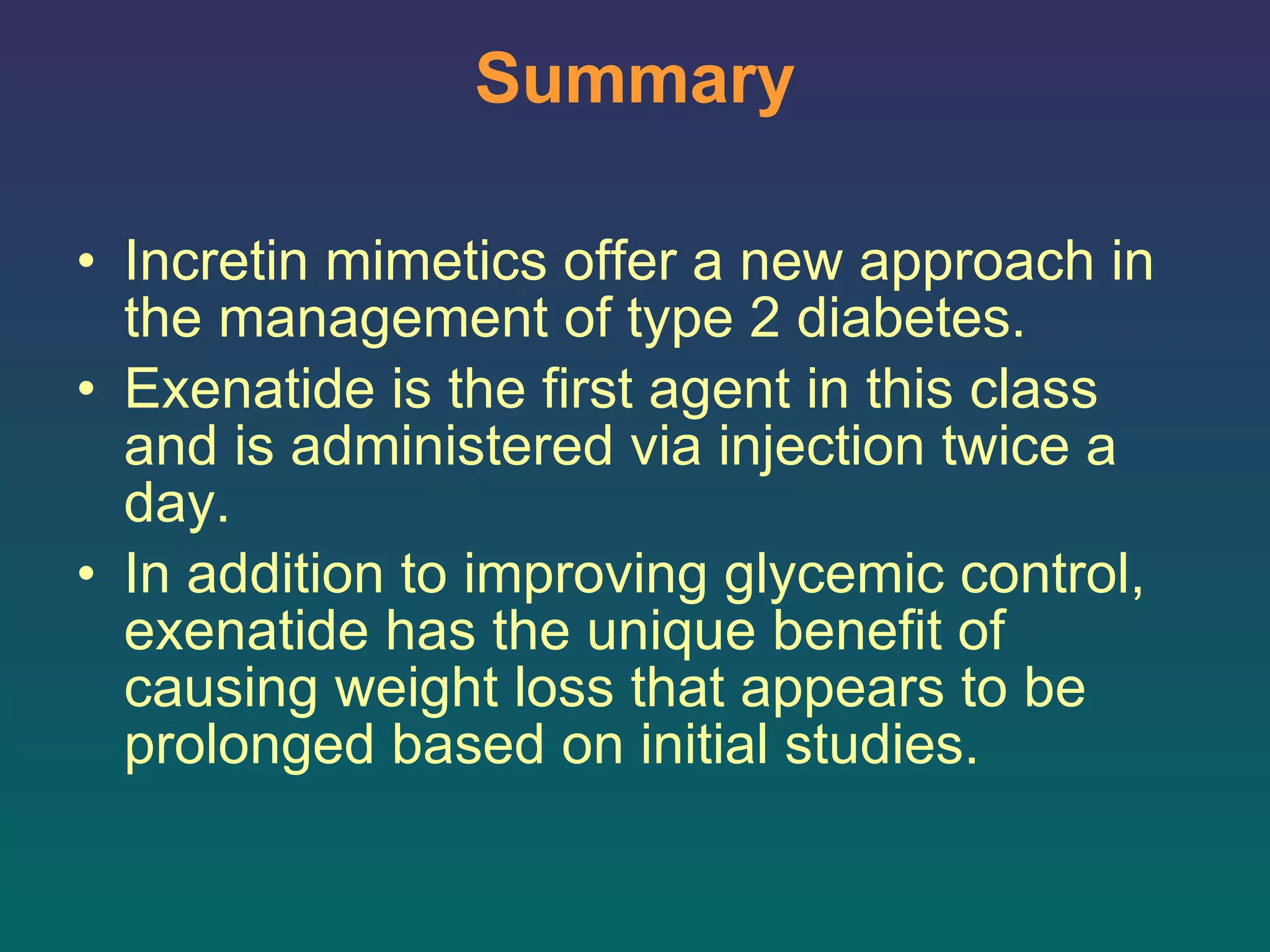
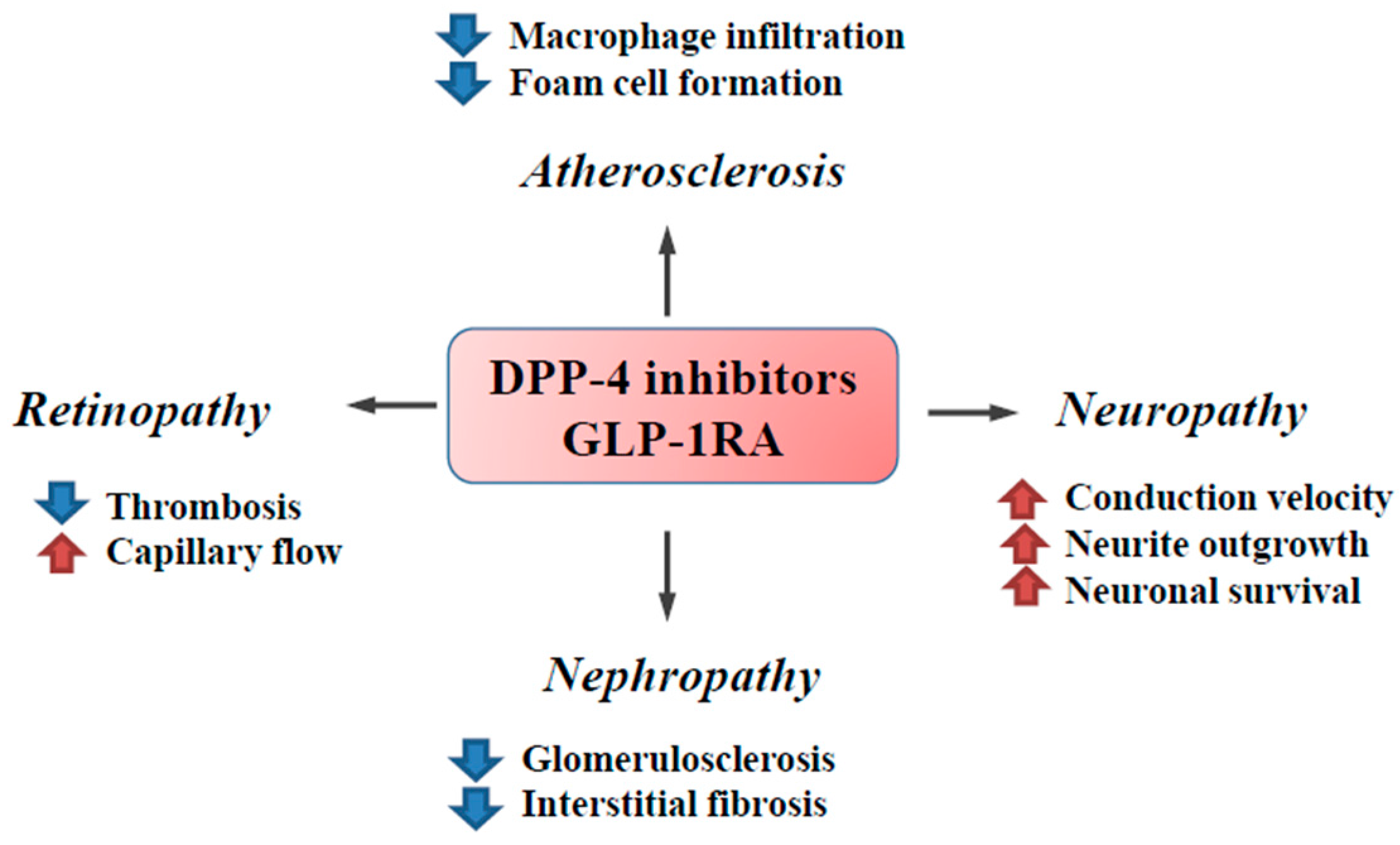
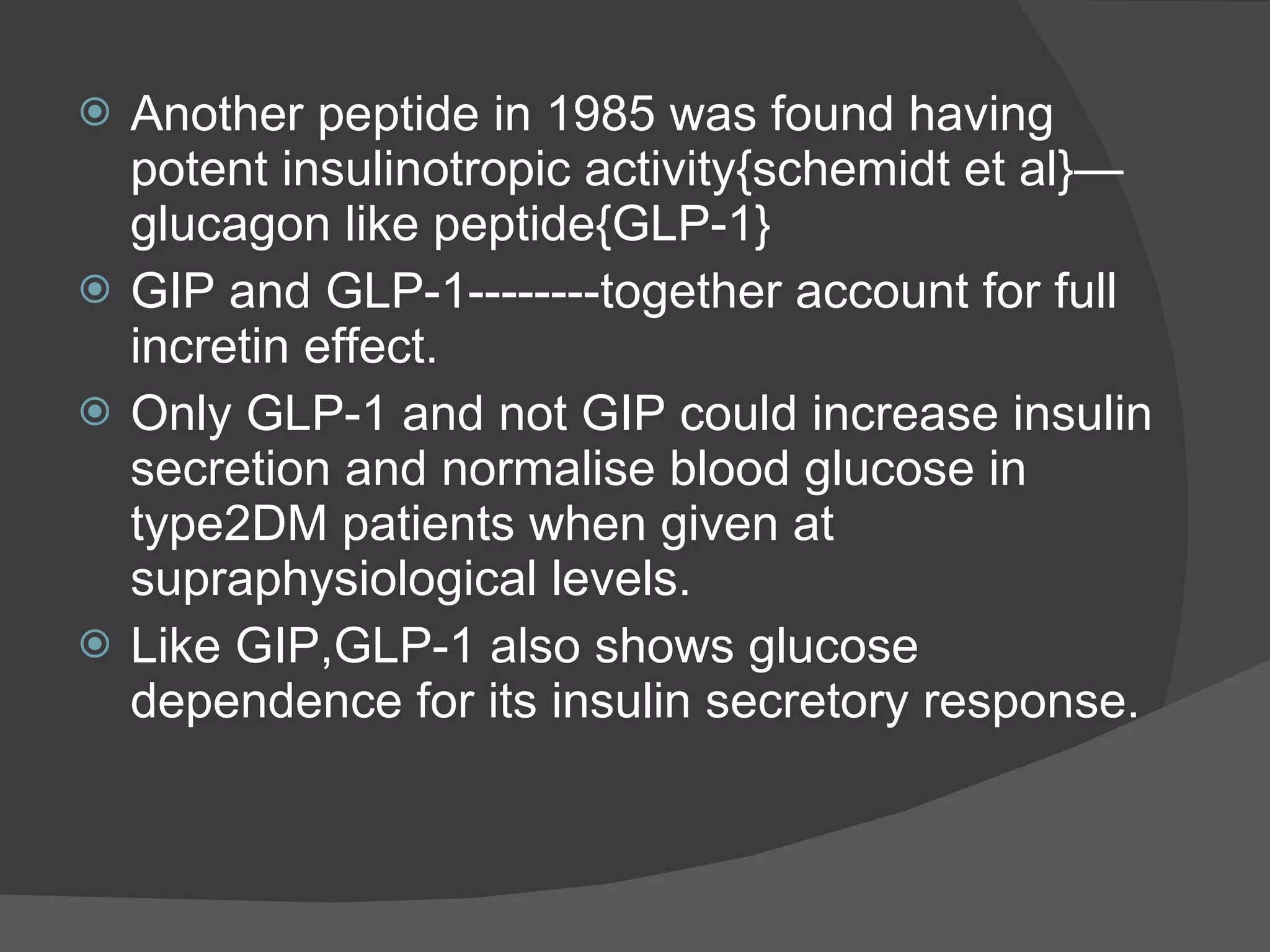
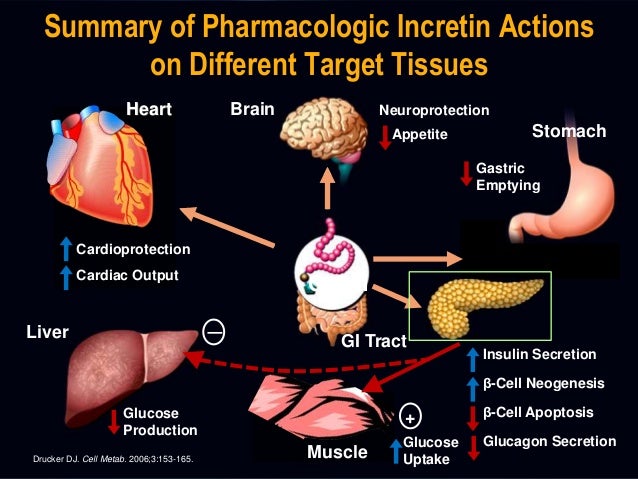
Incretin hormones, such as GLP-1 and GIP, play a vital role in regulating blood sugar levels by stimulating insulin secretion and delaying gastric emptying. Incretin-based therapies, which include medications like GLP-1 receptor agonists and DPP-4 inhibitors, aim to mimic the action of these hormones to improve glycemic control and weight management. These therapies have been shown to have significant benefits in reducing HbA1c levels, weight loss, and cardiovascular outcomes.
The Importance of Protein-Rich Foods
Protein-rich foods are essential for maintaining overall health and well-being. They provide the building blocks for muscle growth and repair, immunity, and hormone function. When combined with incretin-based therapies, protein-rich foods can have a synergistic effect on weight loss and glycemic control. A study published in the Journal of Clinical Endocrinology and Metabolism found that a high-protein diet enhanced the weight loss effects of GLP-1 receptor agonists.
The Mechanisms Behind the Synergy
Research suggests that the combination of incretin-based therapies and protein-rich foods may work through multiple mechanisms to improve metabolic health. Protein-rich foods stimulate the secretion of incretin hormones, which in turn, enhance insulin sensitivity and glucose uptake. Additionally, protein-rich foods may help to reduce hunger and increase feelings of fullness, leading to weight loss.
Key Findings and Implications
A study published in the journal Nutrients found that a plant-based diet improved insulin secretion and incretin hormone levels in individuals with type 2 diabetes. Another study published in the Journal of Clinical Endocrinology and Metabolism found that a high-protein diet enhanced the weight loss effects of GLP-1 receptor agonists. These findings have significant implications for the management of type 2 diabetes and obesity.
Practical Dietary Strategies
So, how can you incorporate protein-rich foods into your diet to support incretin-based therapies? Here are some practical tips:
- Incorporate lean protein sources like chicken, fish, and tofu into your meals.
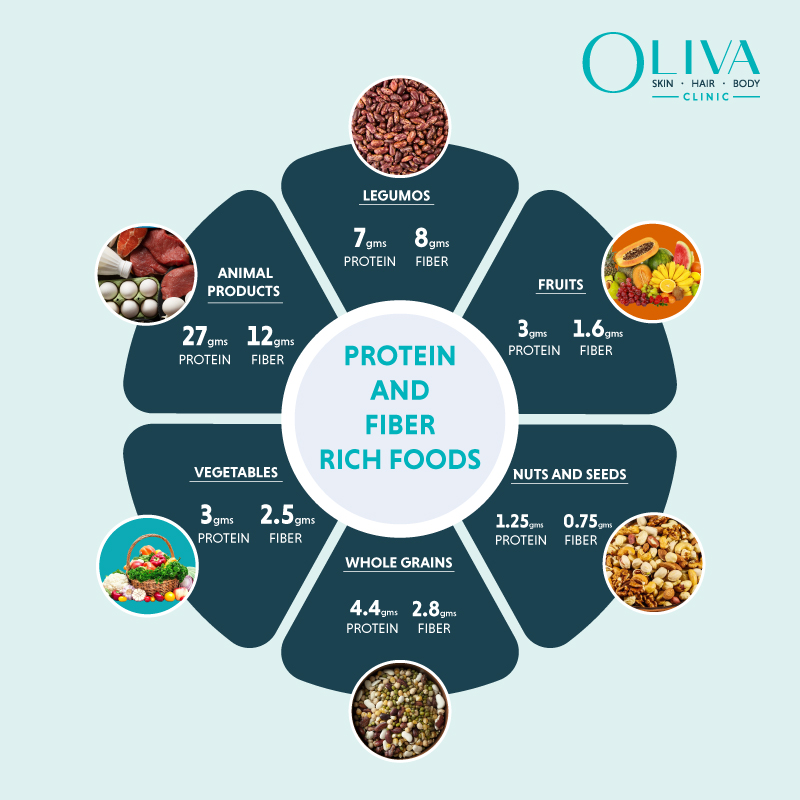
- Choose plant-based protein sources like legumes, lentils, and nuts.
- Include protein-rich foods in your snacks, such as Greek yogurt, hard-boiled eggs, and cottage cheese.
- Consult with a registered dietitian or a healthcare professional to develop a personalized meal plan.
Conclusion
Incretin-based therapies and protein-rich foods have a synergistic relationship that can significantly improve metabolic health and weight management. By incorporating protein-rich foods into your diet, you can enhance the effects of incretin-based therapies and achieve better glycemic control and weight loss. Remember to consult with a healthcare professional before starting any new medication or diet regimen.