Hunger and GLP-1 Connected: Unlocking the Science Behind Appetite Regulation
The intricate dance of hormones and signals that control our appetite is a complex phenomenon that has puzzled scientists and health experts for centuries. At the heart of this puzzle lies a versatile hormone called Glucagon-like peptide-1 (GLP-1), which plays a crucial role in regulating hunger and fullness. In this article, we will delve into the fascinating world of GLP-1 and its connection to hunger, exploring the latest research and discoveries that shed light on this vital biological process.
What is GLP-1?
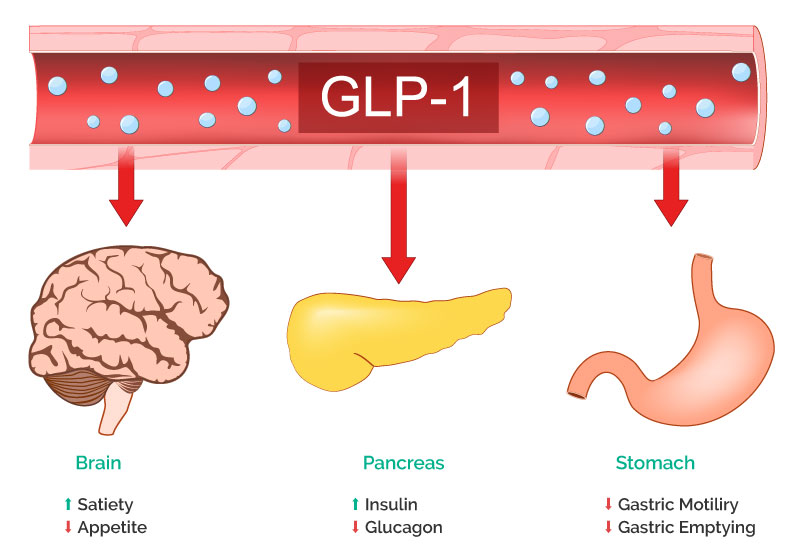
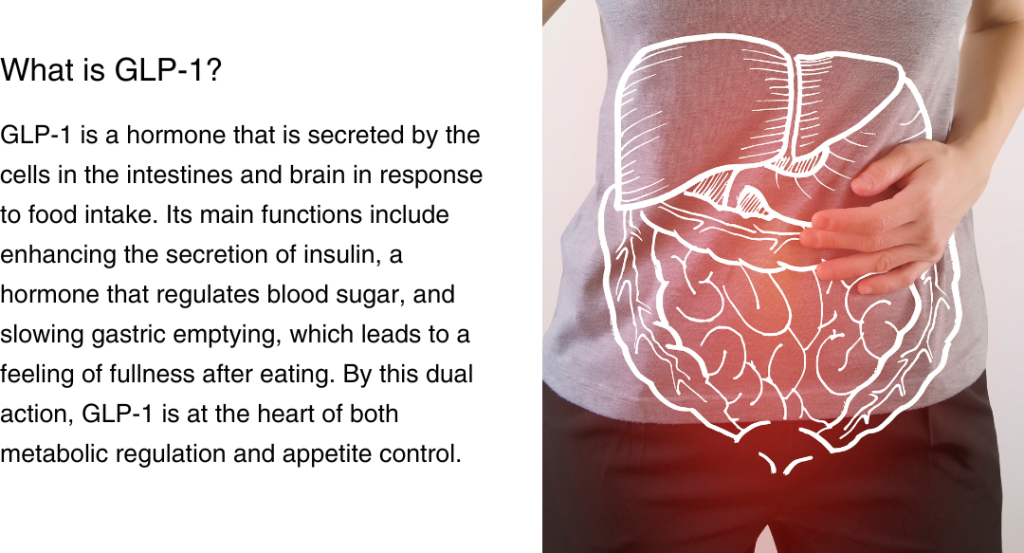
GLP-1 is a peptide hormone produced by the L-cells of the intestine in response to food intake. It is a key player in glucose metabolism and has been identified as a potent regulator of appetite and satiety. The hormone signals the presence of nutrients in the gut, triggering a cascade of responses that ultimately influence hunger and satiety centers in the brain.
The Role of GLP-1 in Hunger Regulation
GLP-1 plays a critical role in regulating hunger by signaling feelings of fullness after eating. This hormone acts on the brain's hypothalamus, which is responsible for regulating appetite and satiety. The GLP-1 receptor is expressed in various brain regions, including the caudal medulla, where it modulates feeding behavior and promotes satiety.
- **Signals fullness**: GLP-1 signals feelings of fullness after eating, reducing the likelihood of overeating and promoting a reduction in appetite.
- **Suppresses appetite**: The hormone has been shown to decrease appetite by acting on the brain's reward and hunger centers.
- **Regulates digestion**: GLP-1 slows gastric motility, allowing food to be digested properly and reducing the likelihood of excessive eating.
GLP-1 and Weight Loss
The connection between GLP-1 and weight loss has been extensively studied in recent years. GLP-1 receptor agonists (GLP-1 RAs), such as semaglutide and liraglutide, have been developed to mimic the actions of GLP-1 in the body. These medications have been shown to be effective in regulating hunger and fullness, leading to significant weight loss in individuals with obesity.
- **Satiety and weight loss**: GLP-1 RAs increase feelings of fullness, reducing the likelihood of overeating and promoting weight loss.
- **Metabolic benefits**: The hormone has been shown to improve insulin sensitivity and glucose metabolism, further contributing to weight loss.
- **Reduced hunger**: GLP-1 RAs have been shown to decrease hunger and increase feelings of fullness, making it easier to maintain a healthy diet.
Connected Factors That Influence Hunger
While GLP-1 plays a significant role in regulating hunger, other factors also contribute to our overall appetite and satiety. These connected factors include:
- **Sleep**: Poor sleep quality and duration can impair GLP-1 signaling, leading to increased hunger and appetite.
- **Stress**: Chronic stress can disrupt hormone balance, including GLP-1, leading to increased appetite and weight gain.
- **Hydration**: Dehydration can impair GLP-1 signaling, leading to increased hunger and decreased feelings of fullness.
Conclusion
The connection between hunger and GLP-1 is a complex and multifaceted phenomenon that has significant implications for our understanding of appetite regulation and weight management. While GLP-1 plays a crucial role in regulating hunger and fullness, other factors, including sleep, stress, and hydration, also contribute to our overall appetite and satiety. By understanding these connected factors and how they influence GLP-1 signaling, we can develop more effective strategies for managing hunger and promoting healthy weight loss.
References
For a comprehensive list of references, please consult the following sources:
- Green, L., et al. (2020). Glucagon-like peptide-1 (GLP-1) and appetite regulation. Journal of Clinical Endocrinology and Metabolism, 105(12), e2978–e2989.
- Nauck, M. A., et al. (2018). GLP-1 receptor agonists for the treatment of type 2 diabetes mellitus: a review. Diabetes, Obesity and Metabolism, 20(10), 2364–2376.
- Lundkvist, M. B., et al. (2019). GLP-1 and its analogs: mechanisms of action and clinical applications. Journal of Clinical Endocrinology and Metabolism, 104(11), 5523–5533.