Home-Based Physical Therapy for Improving Mobility and Independence
As people age, mobility and independence can become increasingly challenging. However, with the advent of home-based physical therapy, seniors can now receive high-quality care in the comfort of their own homes. In-home physical therapy programs have been found to be an effective and personalized intervention framework for enhancing mobility and independence in seniors.
The Benefits of Home-Based Physical Therapy
Home-based physical therapy for mobility and independence offers numerous benefits, including:
- Personalized care: In-home physical therapy allows patients to receive tailored treatment plans that cater to their specific needs and goals.
- Convenience: With in-home physical therapy, patients can receive treatment from the comfort of their own homes, eliminating the need for transportation to a clinical setting.
- Improved adherence: Patients are more likely to adhere to their treatment plans when they receive care in their own homes, as they are more comfortable and relaxed.
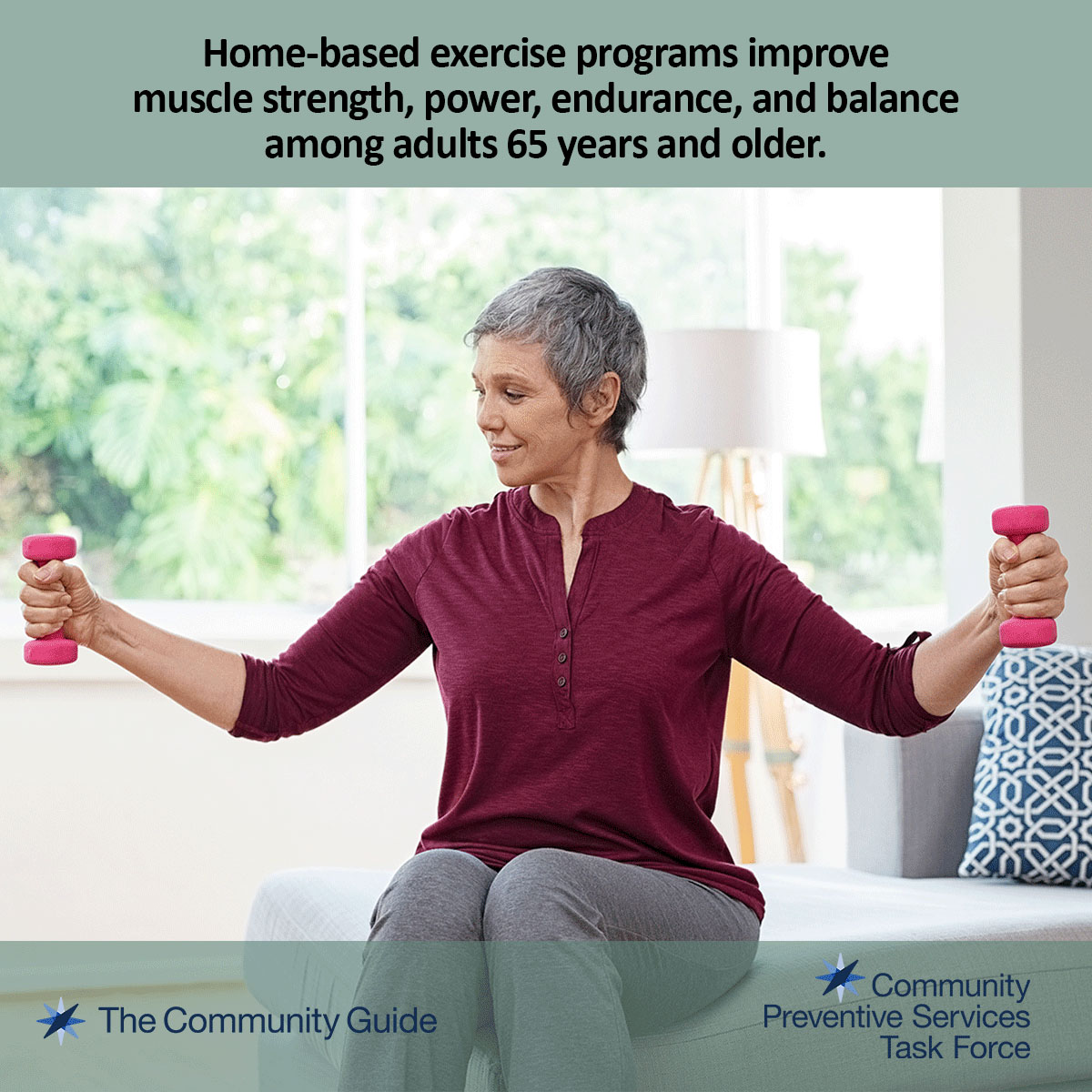
- Reduced fall risk: Home-based physical therapy can help reduce the risk of falls by improving balance, strength, and mobility.
- Increased independence: Through in-home physical therapy, patients can regain their independence and perform daily activities with greater ease and confidence.
How Home-Based Physical Therapy Works
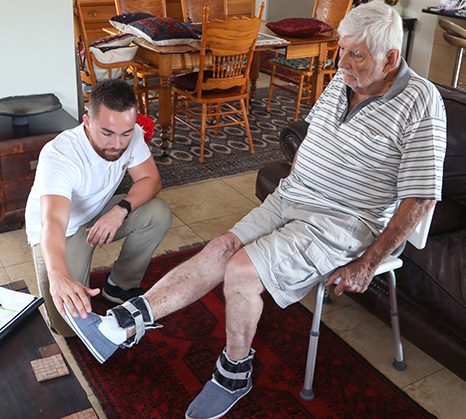
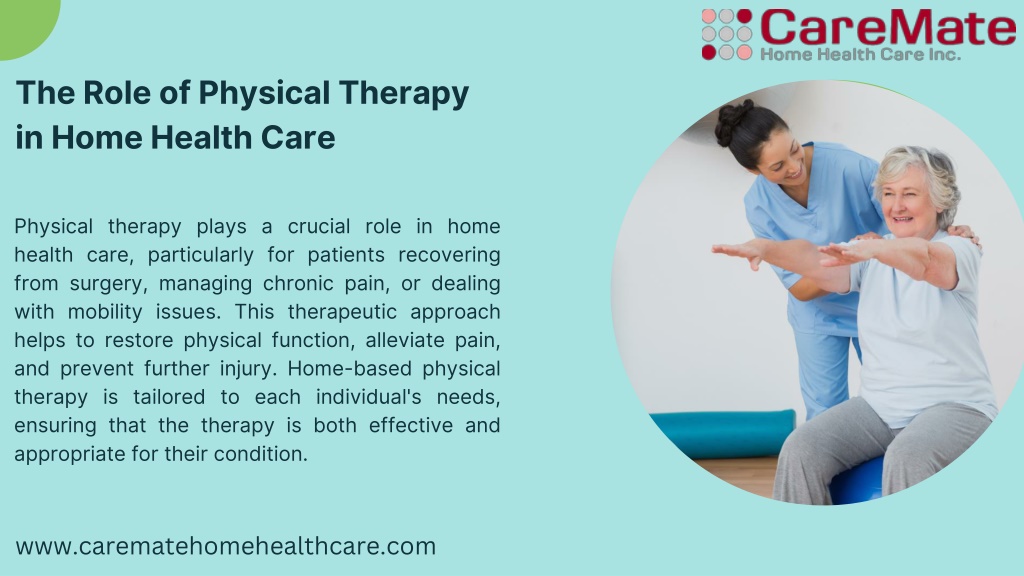
Home-based physical therapy typically involves a licensed physical therapist visiting the patient's home to provide personalized care. The therapist will assess the patient's needs and develop a customized treatment plan, which may include exercises, stretches, and other interventions.
What to Expect from Home-Based Physical Therapy
Prior to starting home-based physical therapy, patients can expect to undergo an initial assessment to identify their specific needs and goals. This may include:
- A comprehensive evaluation of the patient's mobility, strength, and balance
- A review of the patient's medical history and current health status
- Development of a personalized treatment plan that addresses the patient's specific needs and goals
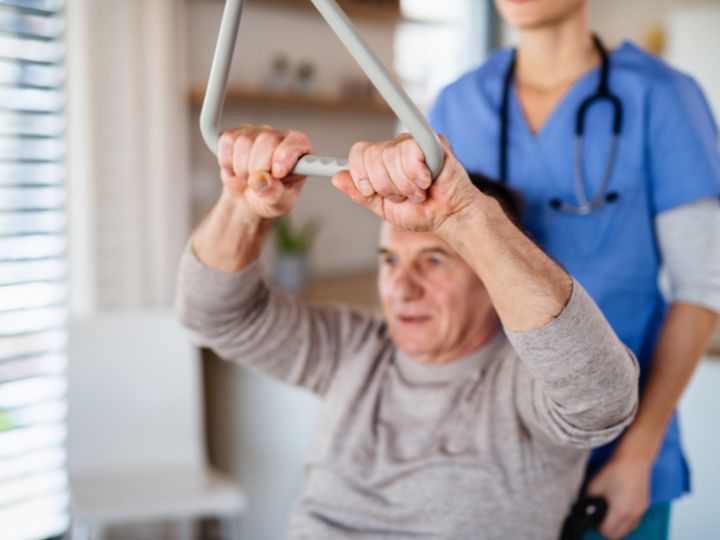
During each subsequent session, patients can expect to engage in a variety of exercises and interventions designed to improve their mobility, strength, and balance. Some examples of exercises that may be used in home-based physical therapy include:
- Stretching exercises to improve flexibility and range of motion
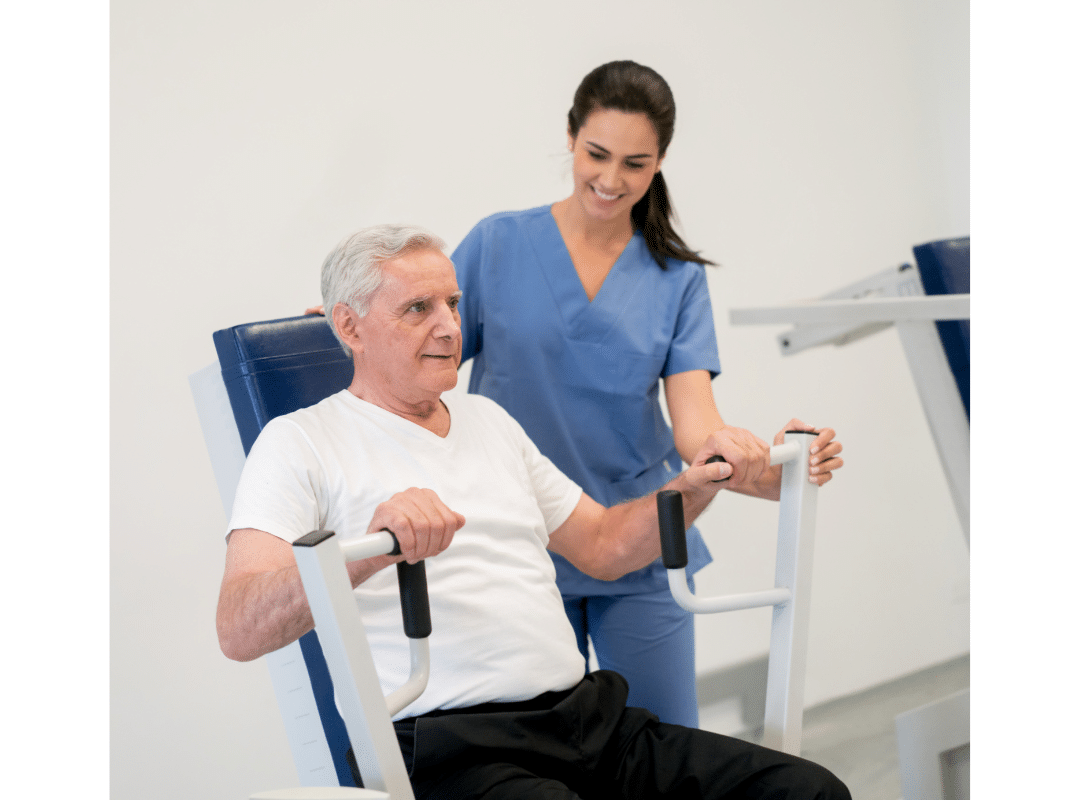
- Strengthening exercises to build muscle and improve mobility
- Balance exercises to reduce the risk of falls and improve stability
Who Can Benefit from Home-Based Physical Therapy?
Home-based physical therapy can benefit individuals of all ages who require physical therapy to improve their mobility, strength, and balance. This includes:
- Seniors who require physical therapy to improve their mobility and independence
- Patients who are recovering from surgery or injury
- Individuals with chronic conditions such as arthritis or Parkinson's disease
- Anyone who requires physical therapy to improve their balance, strength, or mobility
Conclusion
Home-based physical therapy for mobility and independence offers a personalized and convenient solution for Seniors who require physical therapy to improve their mobility and independence. With personalized care, increased adherence, and reduced fall risk, home-based physical therapy can help individuals regain their independence and live healthy, active lives.
Get Started Today
If you or a loved one requires home-based physical therapy, contact a qualified physical therapist today to schedule an appointment and take the first step towards improving your mobility, strength, and independence.