GLP-1 Receptor Agonist for Binge Eating: A Promising Therapeutic Avenue
Binge eating disorder (BED) is a prevalent eating disorder characterized by recurring episodes of excessive food consumption, leading to feelings of guilt, shame, and weight-related health issues. While current treatments for BED are limited, a growing body of research suggests that glucagon-like peptide-1 (GLP-1) receptor agonists, medications originally developed for type 2 diabetes and obesity, may hold therapeutic potential in addressing binge eating behaviors.
- GLP-1 receptor agonists have been shown to modulate metabolic and reward pathways, which may be dysregulated in BED.
- Studies have reported significant reductions in binge eating episodes, body weight, and comorbidities in individuals with BED and bulimia nervosa.
- GLP-1 receptor agonists have a favorable psychiatric side effect profile compared to current medical treatments for BED.
What are GLP-1 Receptor Agonists?
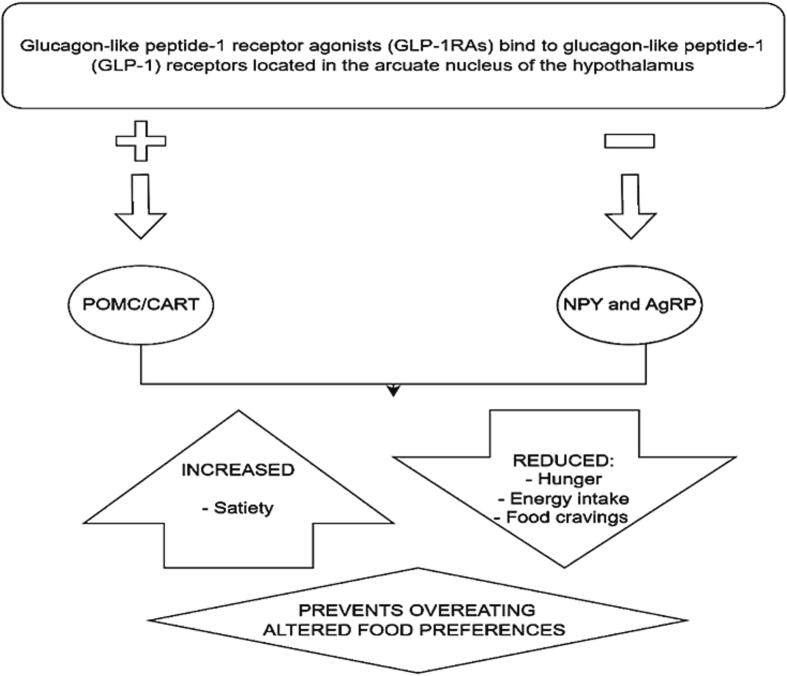
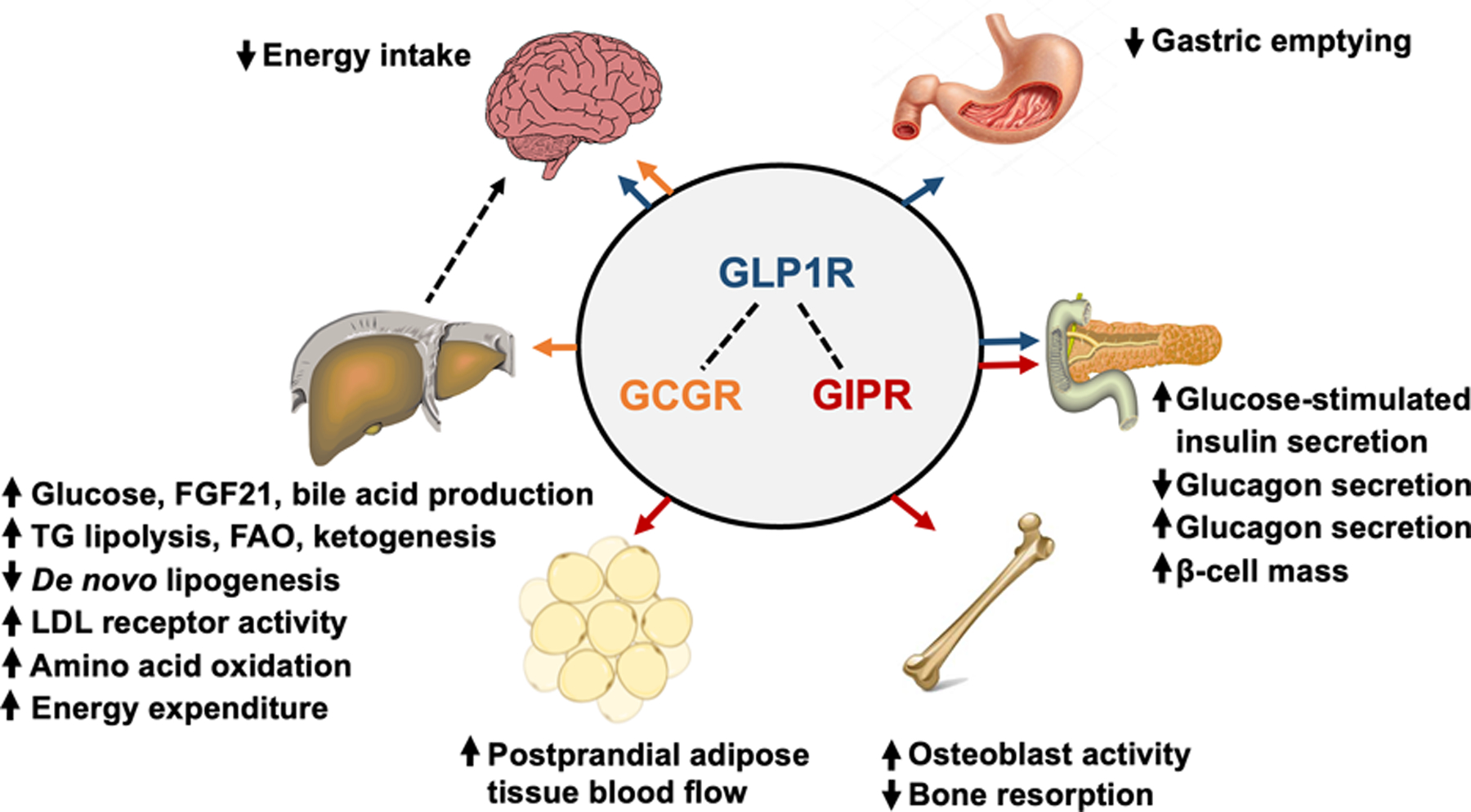
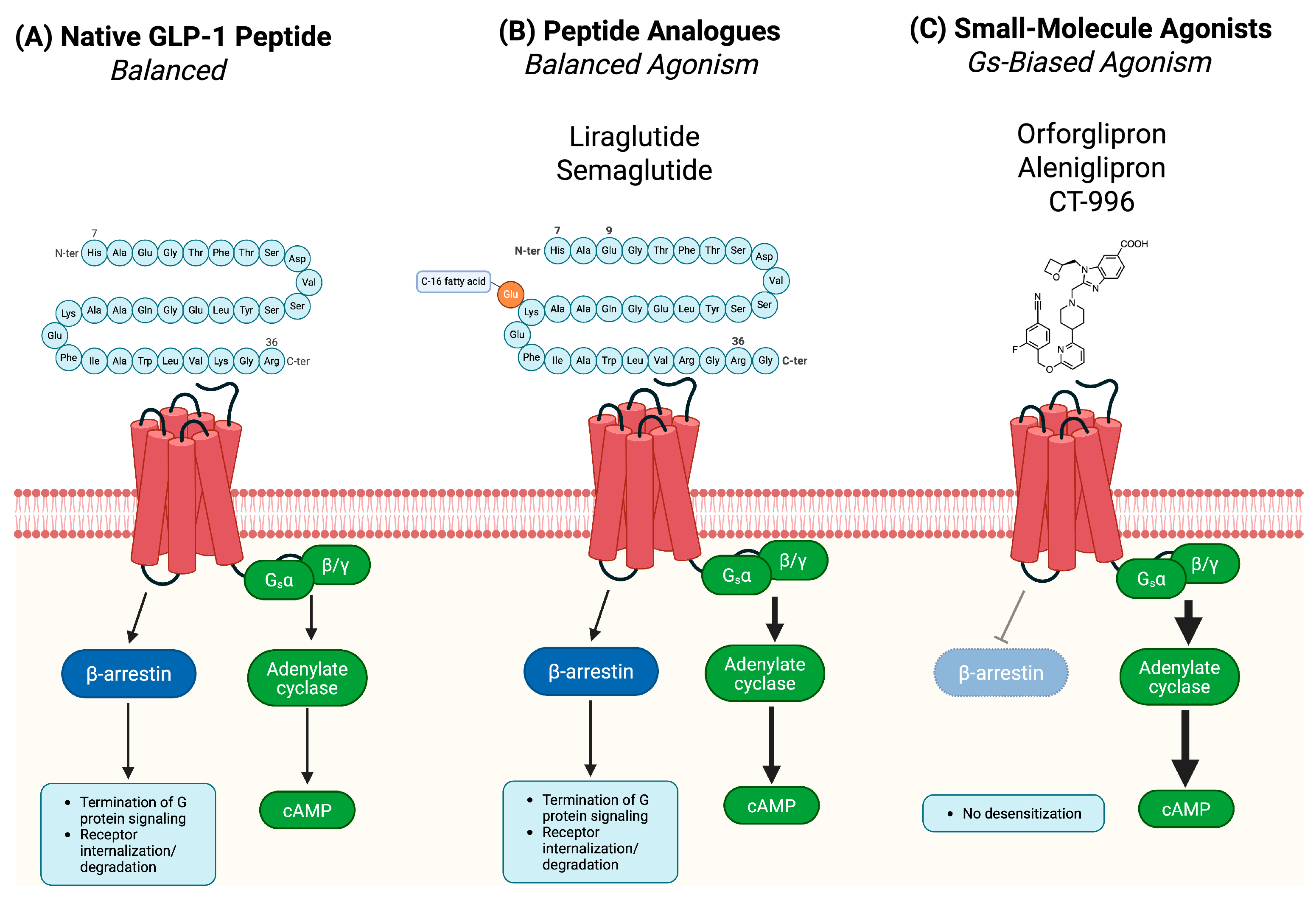
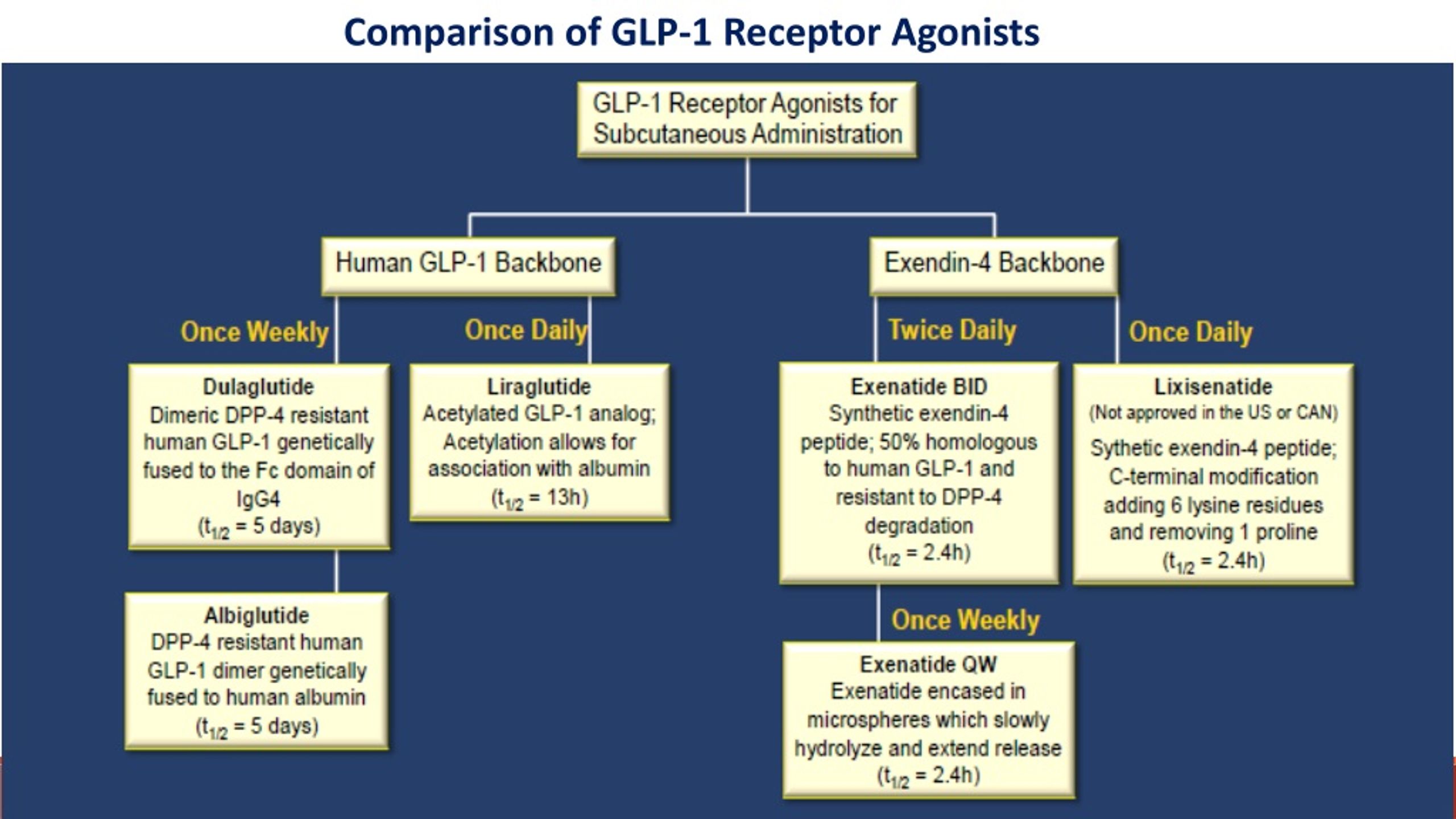
Glucagon-like peptide-1 (GLP-1) receptor agonists are a class of medications that activate the GLP-1 receptor, leading to reduced blood sugar, reduced appetite, and reduced energy intake. These medications, including semaglutide, liraglutide, and tirzepatide, work by mimicking the action of the natural GLP-1 hormone, which is released after eating and plays a crucial role in appetite regulation and insulin release.
How do GLP-1 Receptor Agonists Address Binge Eating?
- GLP-1 receptor agonists have been shown to reduce food cravings and improve emotional regulation, leading to a decrease in binge eating episodes.
- These medications may also improve mood and reduce anxiety related to food, which can be a significant factor in BED.
- By modulating reward pathways, GLP-1 receptor agonists may help individuals with BED develop healthier eating habits and reduce the urge to engage in binge eating behaviors.

Current Research and Treatment Considerations
While the therapeutic potential of GLP-1 receptor agonists in BED is promising, it is essential to note that these medications are not yet FDA-approved for this indication. However, ongoing research and clinical trials aim to investigate the efficacy and safety of GLP-1 receptor agonists in treating BED.
As with any treatment, it is crucial to approach the use of GLP-1 receptor agonists for BED with caution and under the guidance of a qualified healthcare professional. Behavioral therapy and nutritional counseling should also be considered in conjunction with GLP-1 receptor agonist treatment to ensure comprehensive support for individuals with BED.
Conclusion
GLP-1 receptor agonists may represent a promising therapeutic avenue for addressing binge eating behaviors in BED. By modulating metabolic and reward pathways, these medications may help individuals develop healthier eating habits and reduce the urge to engage in binge eating episodes. While further research is necessary to fully elucidate the therapeutic potential of GLP-1 receptor agonists in BED, the current evidence suggests that these medications warrant further investigation as a potential treatment option.