GLP-1 Receptor Agonist Efficacy for Metabolic Syndrome: A Breakthrough in Obesity and Metabolic Disease Treatment
The management of obesity and metabolic syndrome has undergone a significant transformation with the emergence of glucagon-like peptide-1 receptor agonists (GLP-1 RAs). These innovative agents have demonstrated remarkable efficacy in promoting weight loss, improving metabolic profiles, and reducing the risk of cardiovascular events. In this review, we will delve into the pharmacology of GLP-1 RAs, their effects on metabolic syndrome, and the potential implications for therapeutic approaches.
Pharmacology of GLP-1 Receptor Agonists
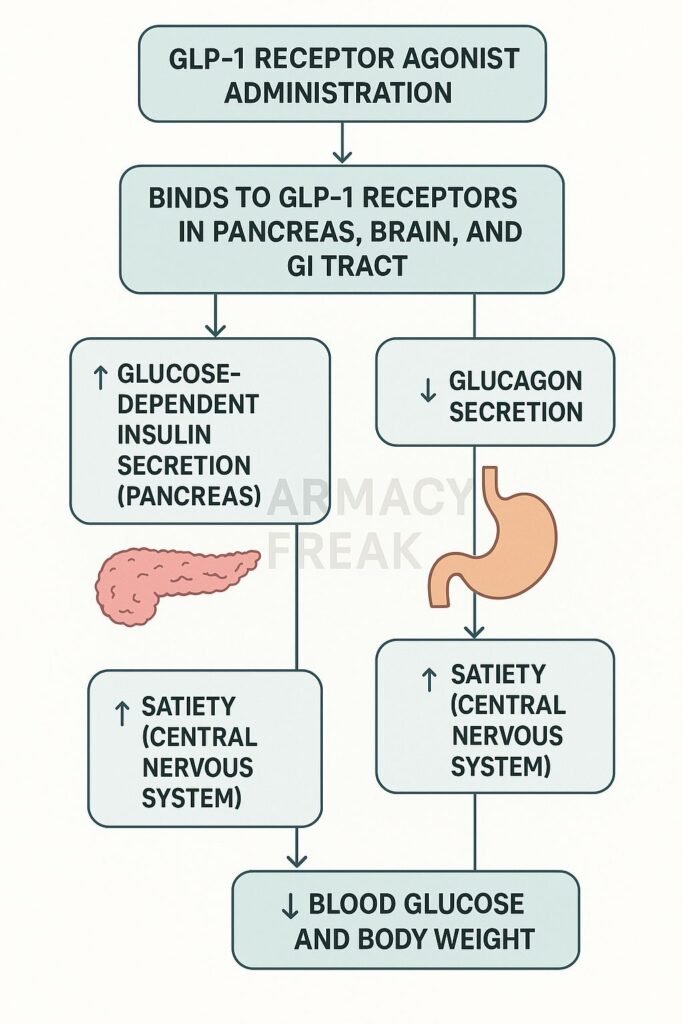
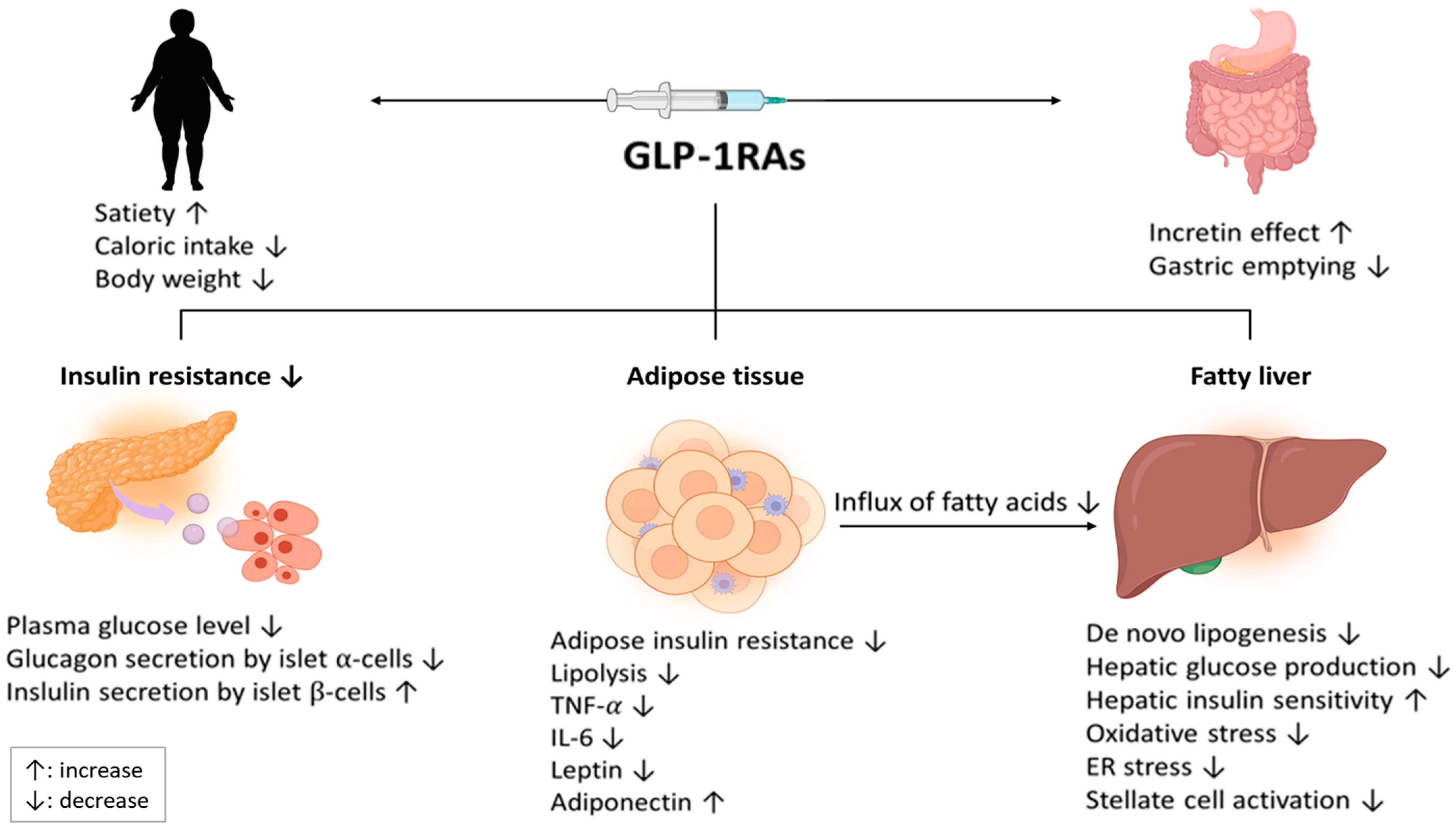
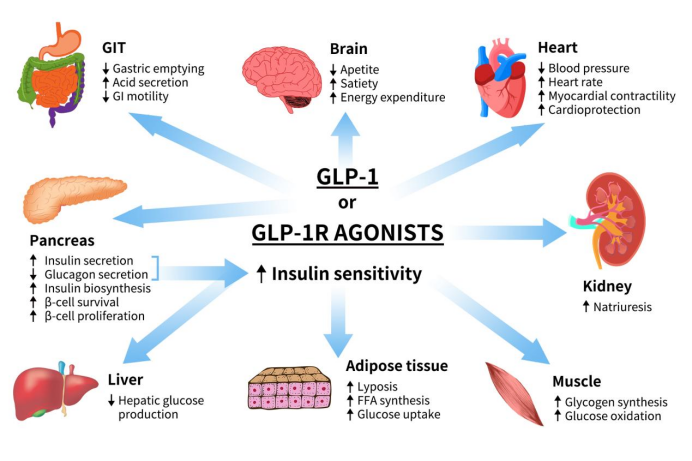
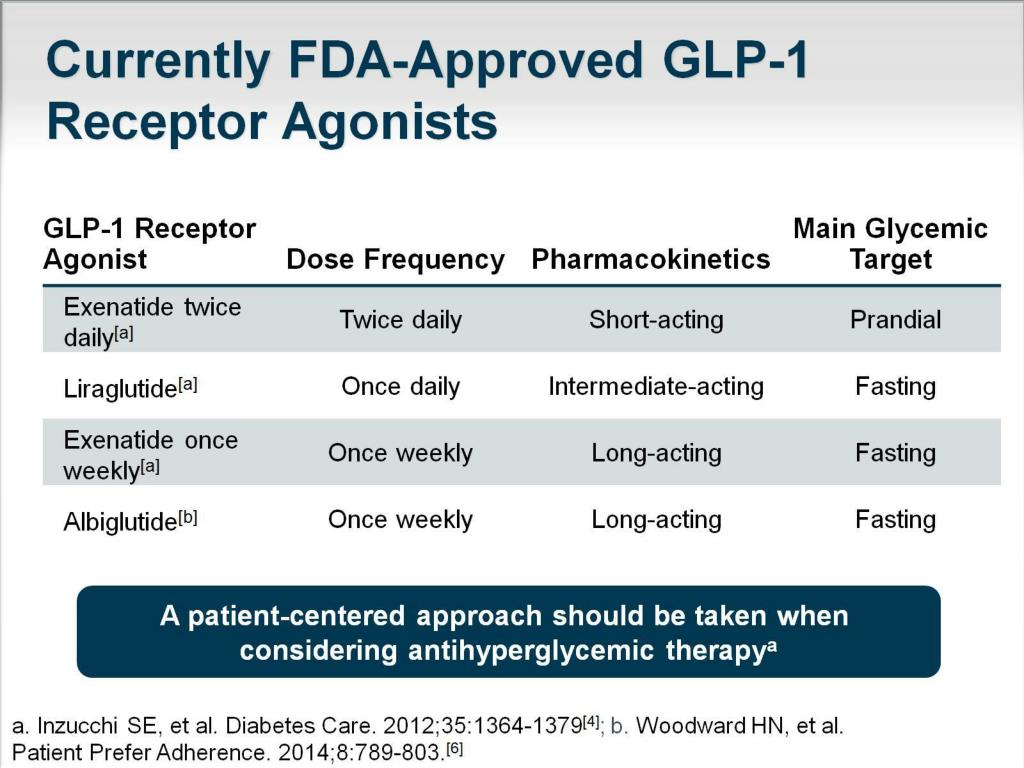
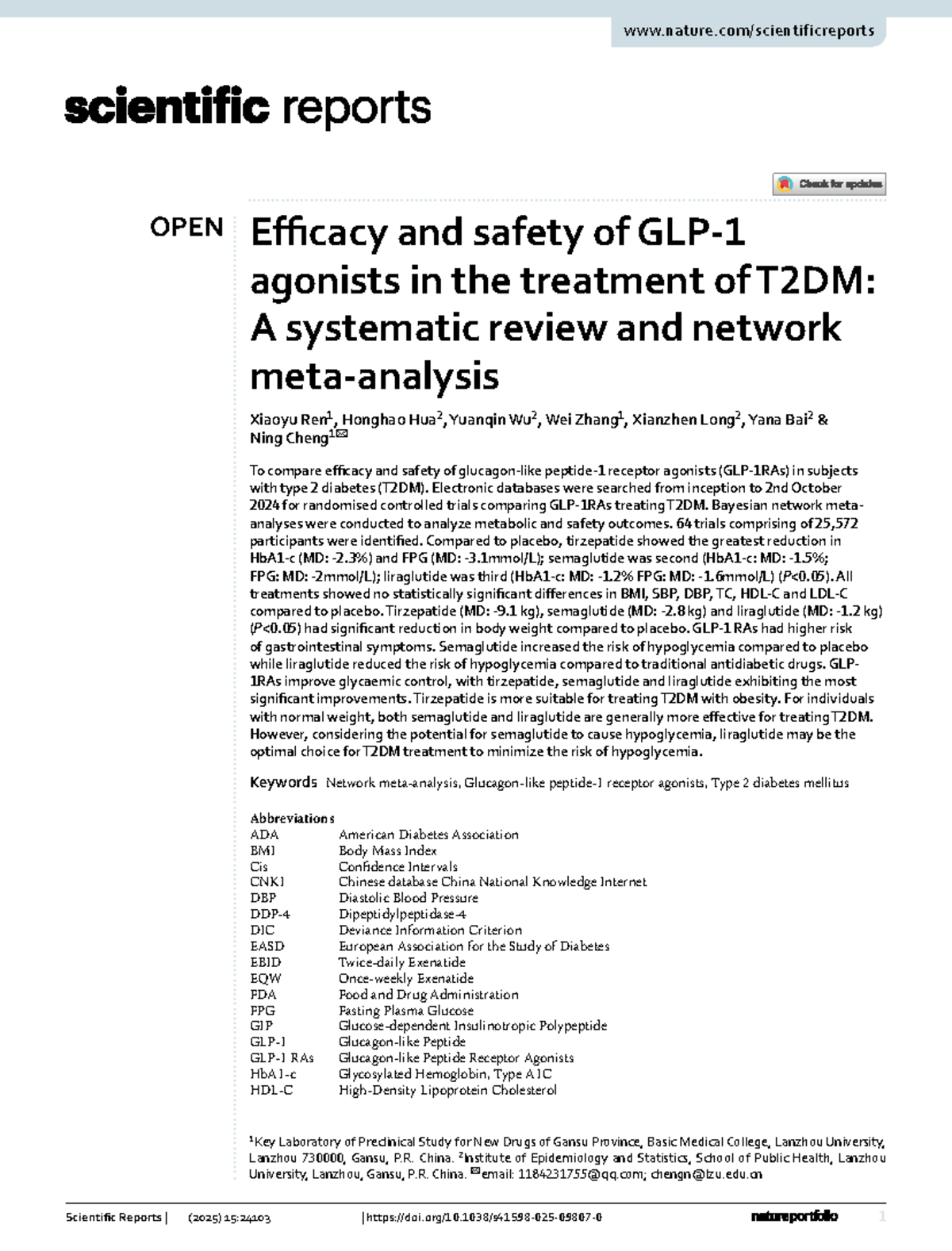
GLP-1 RAs mimic the action of the naturally occurring GLP-1 hormone, which plays a crucial role in glucose metabolism. These agents enhance insulin secretion, suppress glucagon release, and slow gastric emptying, thereby reducing blood glucose levels and promoting weight loss. The most well-studied GLP-1 RAs include semaglutide, liraglutide, and tirzepatide, which have demonstrated significant efficacy in clinical trials.
Effects of GLP-1 Receptor Agonists on Metabolic Syndrome
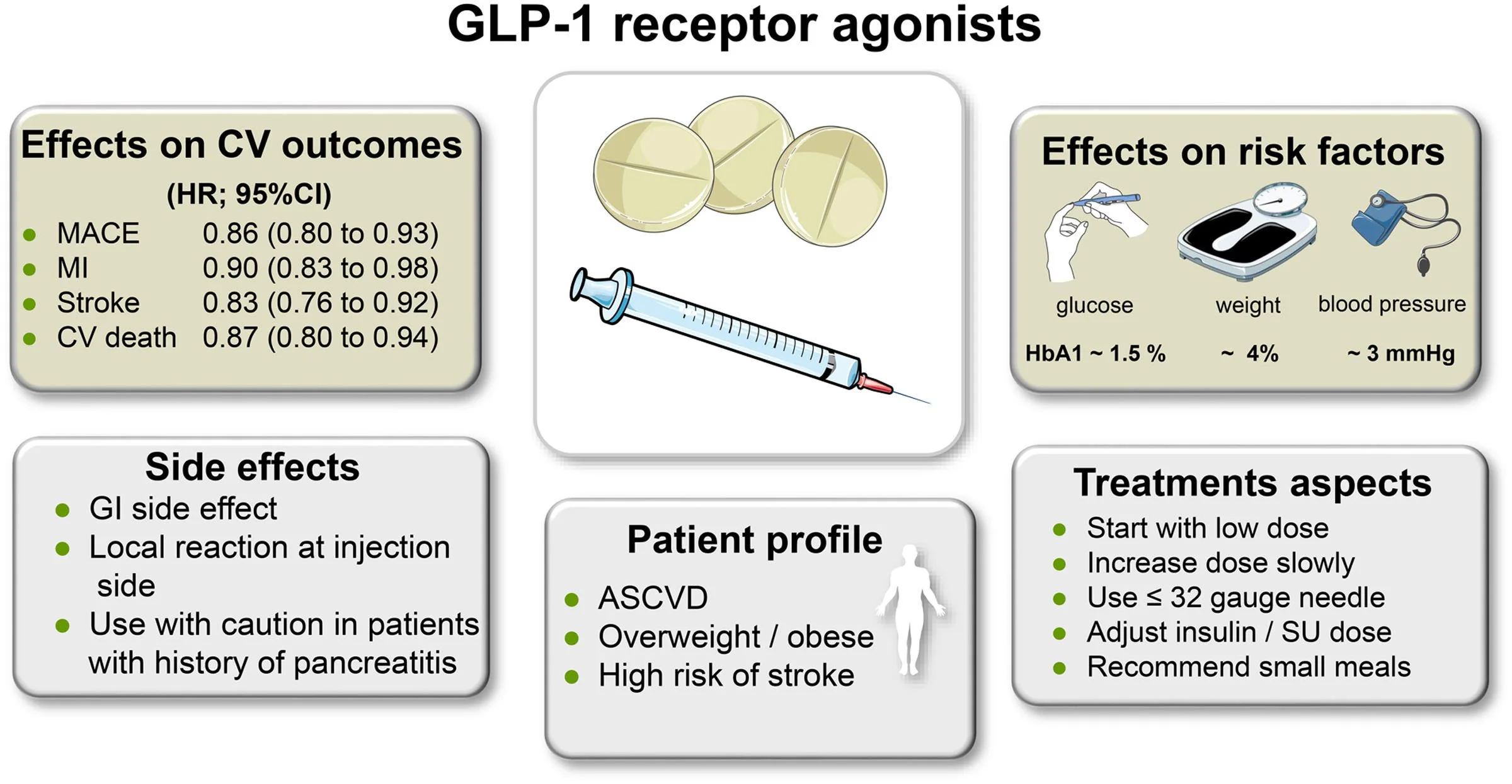
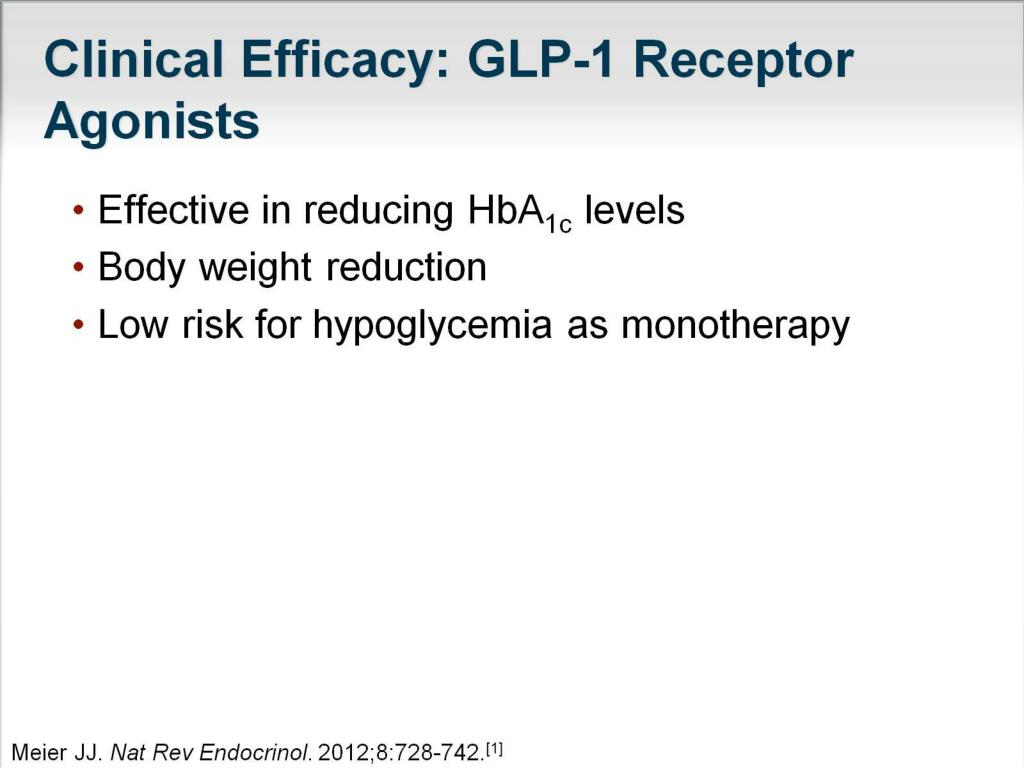
- Weight Loss: GLP-1 RAs have been shown to induce significant weight loss in obese individuals, with some studies reporting reductions in excess body weight of up to 10%.
- Improved Glycemic Control: GLP-1 RAs have been demonstrated to improve glycemic control in patients with type 2 diabetes, reducing HbA1c levels and increasing insulin sensitivity.
- Cardiovascular Benefits: GLP-1 RAs have been associated with a reduced risk of major adverse cardiovascular events (MACE) in patients with type 2 diabetes, highlighting their potential to mitigate cardiovascular risk.
- Renal Protection: GLP-1 RAs have been shown to slow the progression of kidney disease in patients with type 2 diabetes, suggesting their potential to preserve renal function.
The Therapeutic Potential of GLP-1 RAs
GLP-1 RAs have the potential to redefine the therapeutic landscape for obesity and metabolic syndrome. These agents offer a novel approach to managing complex metabolic disorders, promoting weight loss, and improving cardiovascular outcomes. The efficacy of GLP-1 RAs has been demonstrated across a range of clinical trials, with some studies highlighting their potential to improve mental health outcomes and reduce the risk of depression and anxiety.
Emerging Indications and Future Directions
- Metabolic Liver Disease: GLP-1 RAs have been investigated for their potential to improve metabolic liver disease, including non-alcoholic fatty liver disease (NAFLD) and non-alcoholic steatohepatitis (NASH).
- Peripheral Artery Disease: GLP-1 RAs have been explored for their potential to improve outcomes in patients with peripheral artery disease.
- Parkinson's Disease: GLP-1 RAs have been investigated for their potential to improve motor function and cognitive impairment in patients with Parkinson's disease.
Conclusion

GLP-1 receptor agonists represent a breakthrough in the treatment of obesity and metabolic syndrome, offering significant and sustained weight loss alongside notable metabolic improvements. These agents have the potential to redefine the therapeutic landscape, particularly in high-risk populations. As the therapeutic landscape continues to evolve, it is essential to prioritize a comprehensive, transparent, and patient-centered approach to deploying GLP-1 RAs, emphasizing lifestyle, lean mass preservation, and independent safety oversight.
References
[1] Iglesias, P., Nobre, E.L., Hanzu, F. et al. Efficacy and safety of GLP-1 receptor agonists in the treatment of type 2 diabetes and/or obesity in patients with Cushing's syndrome: a multicenter retrospective study.
[2] Glucagon-like peptide-1 receptor agonists: a new approach to treating obesity and metabolic syndrome. Lancet Diabetes Endocrinol. 2020;8(10):831-842.
[3] GLP-1 receptor agonists: a systematic review and meta-analysis of their efficacy and safety in patients with type 2 diabetes. Diabetes Obes Metab. 2020;22(5):917-927.
[4] Semaglutide for the treatment of obesity and type 2 diabetes. N Engl J Med. 2020;383(12):1197-1207.
[5] Tirzepatide for the treatment of type 2 diabetes. N Engl J Med. 2020;383(12):1208-1217.
[6] GLP-1 receptor agonists: a review of their efficacy and safety in patients with metabolic syndrome. Diabetes Metab. 2020;45(3):302-312.
[7] GLP-1 receptor agonists: a systematic review and meta-analysis of their efficacy and safety in patients with polycystic ovary syndrome (PCOS). Hum Reprod. 2020;35(5):1039-1048.