Unlocking the Power of GLP-1 Receptor Agonist Benefits
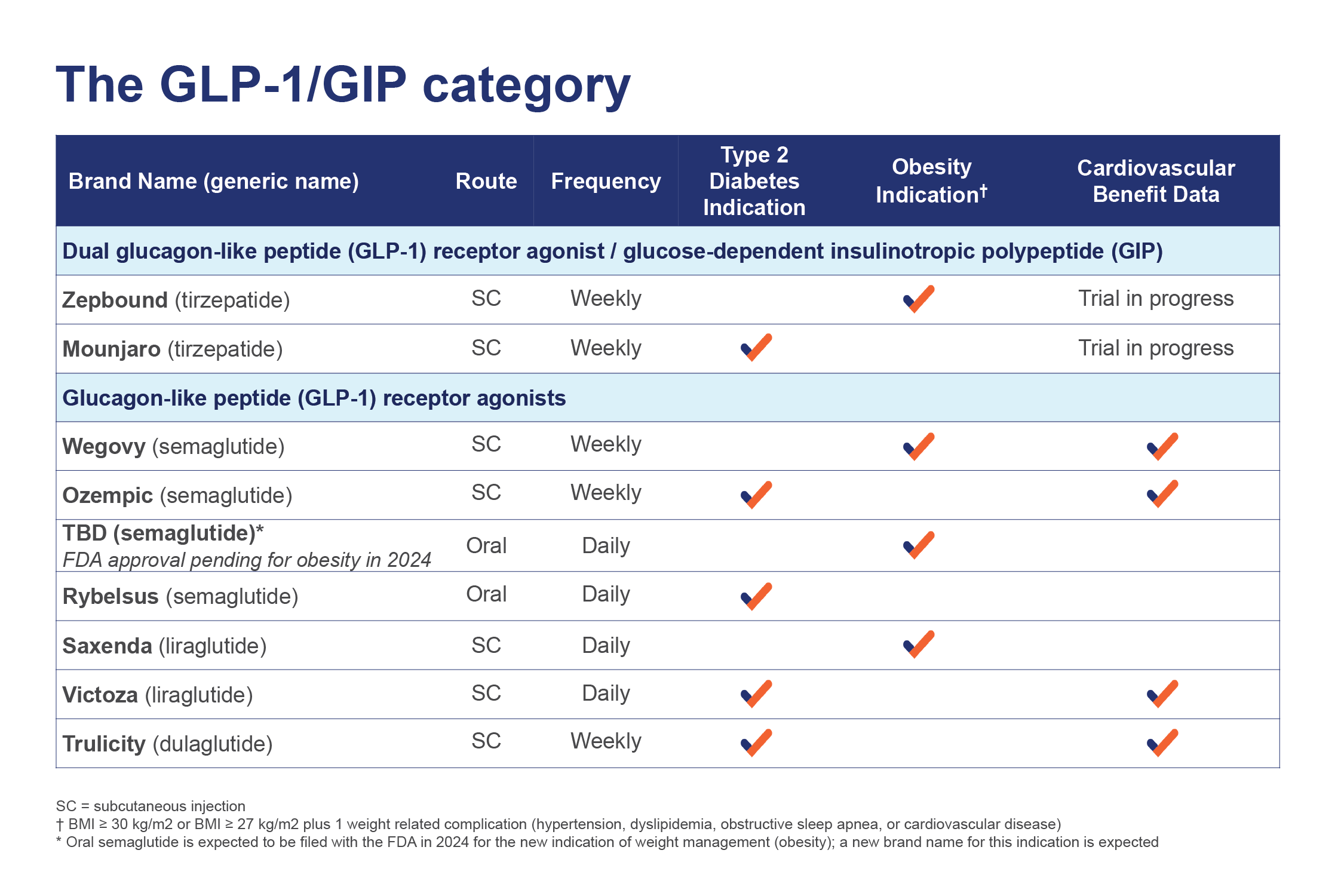
Glucagon-like peptide-1 receptor agonists, or GLP-1 RAs, have revolutionized the treatment of type 2 diabetes and obesity. Initially developed to improve blood glucose control and weight management, these medications have been found to offer a wide range of benefits beyond their primary use. In this article, we will delve into the world of GLP-1 RAs, exploring their mechanisms of action, advantages, and potential applications in various medical conditions.
The Science Behind GLP-1 RAs
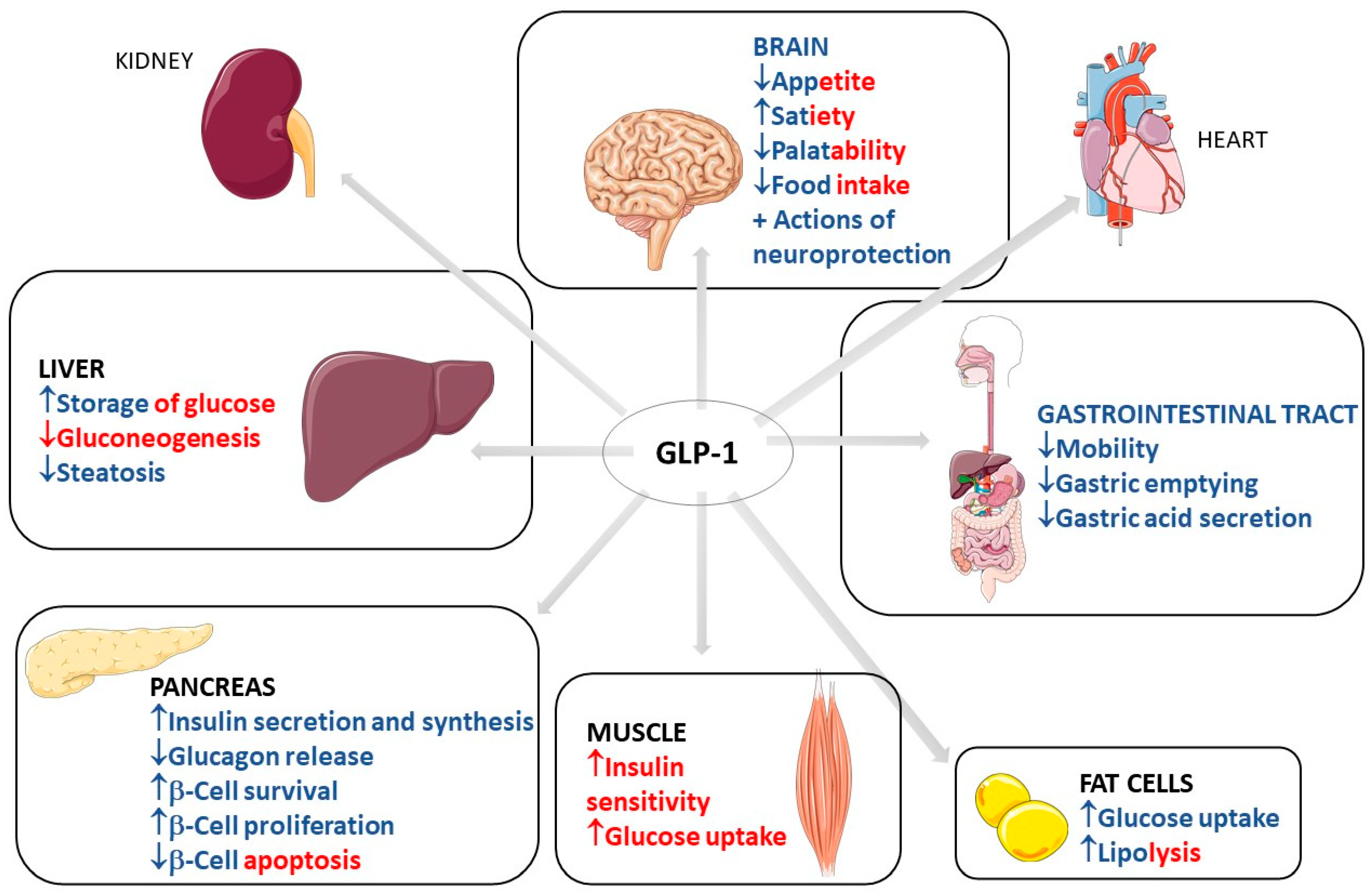
GLP-1 RAs mimic the action of the naturally occurring hormone glucagon-like peptide-1, which is released in the gut in response to eating. This hormone plays a crucial role in regulating blood glucose levels, and GLP-1 RAs work by binding to specific receptors on cells in the pancreas, liver, and other tissues, stimulating insulin secretion, and reducing glucagon release. By slowing gastric emptying, GLP-1 RAs also help to reduce postprandial glucose spikes and promote feeling of fullness and reduced hunger.
GLP-1 Receptor Agonist Benefits
Improved blood glucose control: GLP-1 RAs have been shown to significantly reduce HbA1c levels and improve fasting glucose levels in patients with type 2 diabetes.
Weight loss: GLP-1 RAs have been found to promote weight loss through reduced hunger and increased satiety, resulting in significant reductions in body weight and body mass index (BMI).
Cardiovascular benefits: GLP-1 RAs have been associated with a reduced risk of major adverse cardiovascular events (MACE), including heart attack, stroke, and death, in patients with type 2 diabetes.
Renal protection: GLP-1 RAs have been found to slow the progression of kidney disease and reduce the risk of end-stage renal disease (ESRD) in patients with type 2 diabetes.
Neuropsychiatric benefits: GLP-1 RAs have been associated with potential mental health benefits, including reduced anxiety, suicidality, and functional impairment in patients with type 2 diabetes.
Prevention of Alzheimer's disease: Some studies have suggested that GLP-1 RAs may have a protective effect against Alzheimer's disease, although more research is needed to confirm this.
Protection against substance use disorders: Recent studies have indicated that GLP-1 RAs may have a role in preventing and treating substance use disorders, although this area of research is still in its early stages.
GLP-1 Receptor Agonist Mechanism of Action

Combination GLP-1/glucagon receptor agonists provide the thermogenic benefits of glucagon activation while almost eliminating hyperglycemia induced by glucagon receptor activation. Several such drugs have reached human trials for obesity, diabetes, and non-alcoholic fatty liver disease but adverse effects have hampered development.
Real-World Evidence and Sustained Benefits
While GLP-1 RAs have been found to offer significant benefits in reducing the risk of heart attack and stroke, a recent study has suggested that stopping or interrupting GLP-1 RAs may erode and even reverse these cardiovascular benefits. Furthermore, real-world evidence suggests that GLP-1 RAs may present mental health benefits in patients with type 2 diabetes, including reduced anxiety, suicidality, and functional impairment.
Conclusion
GLP-1 receptor agonists have revolutionized the treatment of type 2 diabetes and obesity, offering a wide range of benefits beyond their primary use. These medications have been found to improve blood glucose control, promote weight loss, reduce cardiovascular risk, and potentially offer neuropsychiatric and protective benefits against Alzheimer's disease and substance use disorders. As research continues to explore the mechanisms of action and benefits of GLP-1 RAs, it is clear that these medications have the potential to transform the management of chronic diseases and improve the lives of millions of people worldwide.