GLP-1 Medication for Weight Loss in Children: A Promising Solution?
Obesity is a growing concern among children in the United States, leading to a range of health complications, including insulin resistance, type 2 diabetes, and other diseases. Recent advances in the field of obesity treatment have led to the approval of glucagon-like peptide-1 receptor agonists (GLP-1) for use in adolescents and children. In this article, we will explore the potential benefits and risks of using GLP-1 medication for weight loss in children.
Background
Obesity in children is a primary health concern that can lead to numerous complications, including insulin resistance, type 2 diabetes, and other diseases. Traditional weight loss methods, such as diet and exercise, have shown limited success in pediatric populations. As a result, researchers have turned to novel treatments, including GLP-1 receptor agonists, to help manage obesity in children.
The Science Behind GLP-1 Medication
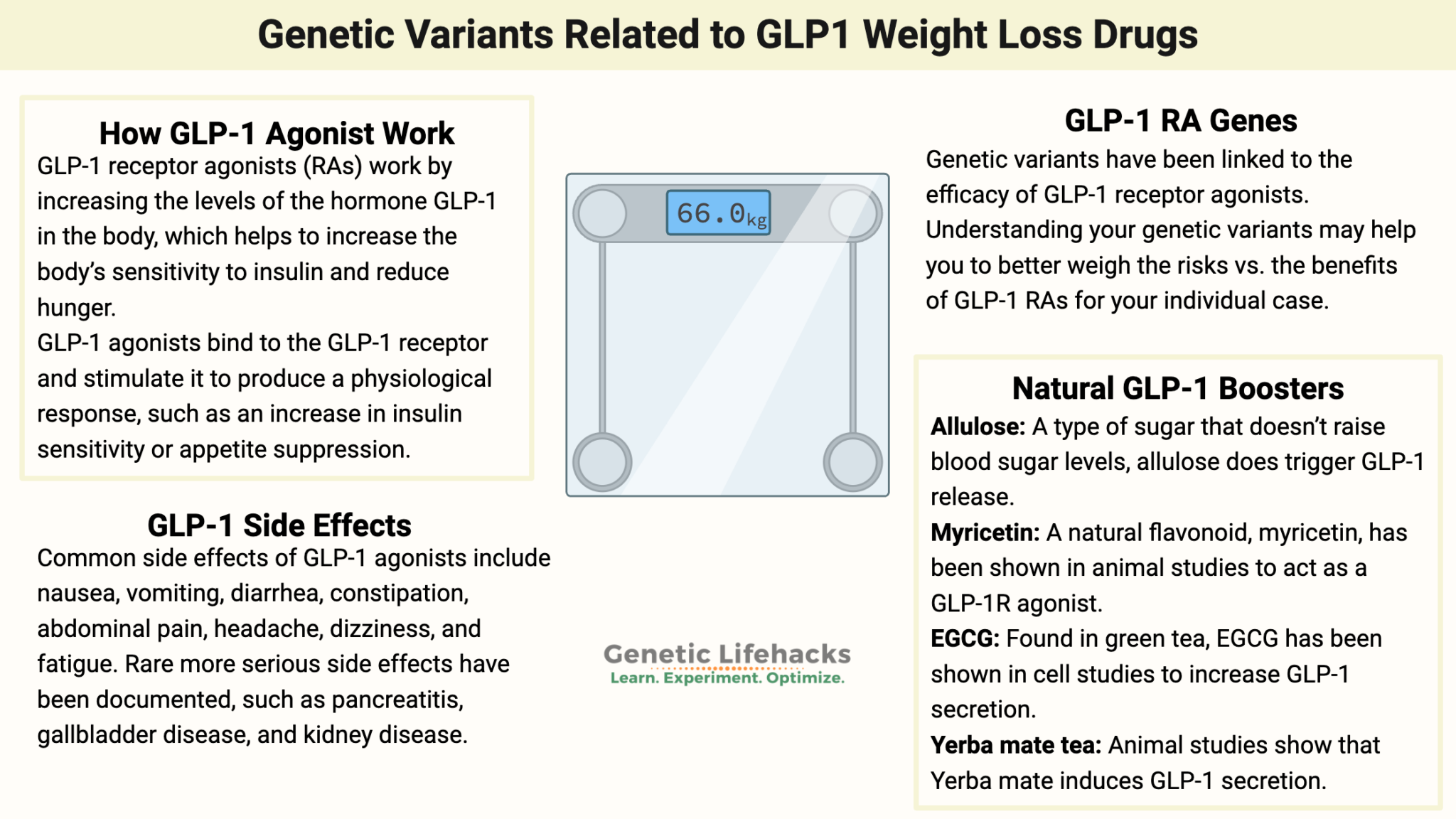
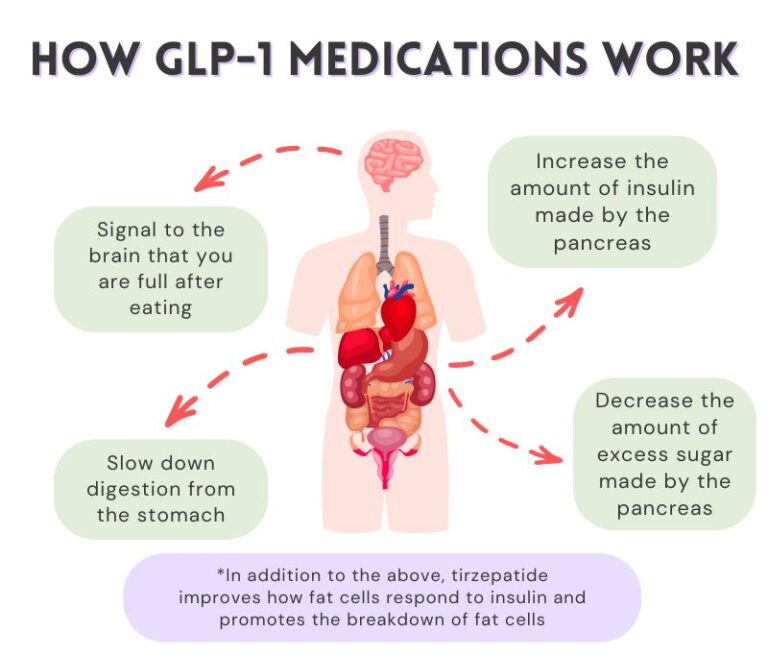
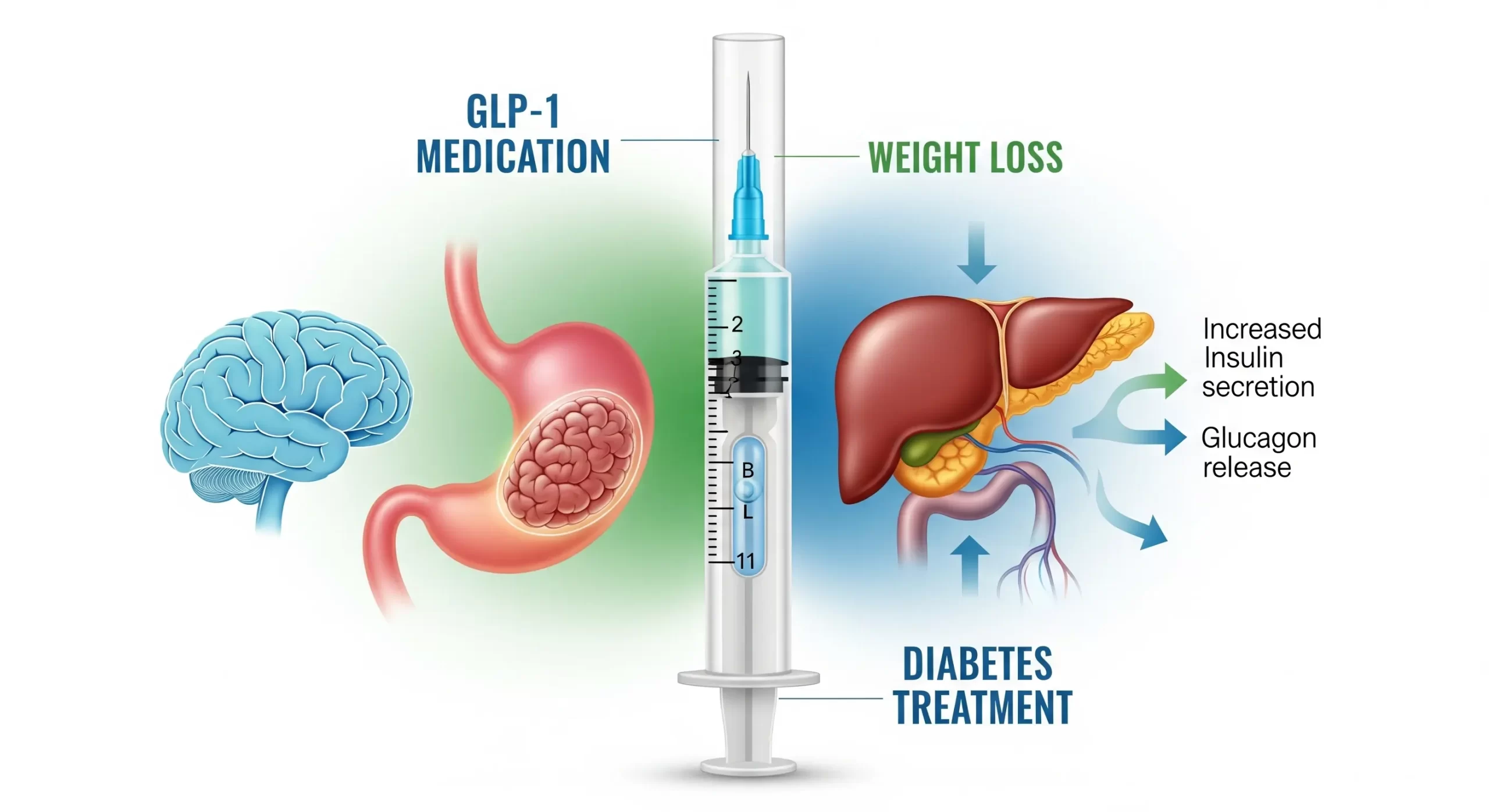
GLP-1 receptor agonists are a class of medications that mimic the action of the hormone glucagon-like peptide-1 (GLP-1). GLP-1 is a natural hormone that plays a key role in regulating appetite, glucose metabolism, and weight loss. GLP-1 receptor agonists work by binding to GLP-1 receptors in the brain and body, stimulating the release of insulin, suppressing glucagon secretion, and slowing gastric emptying. This leads to a decrease in appetite, an increase in feelings of fullness, and improved glucose metabolism.
Benefits of GLP-1 Medication for Weight Loss in Children
Studies have shown that GLP-1 receptor agonists are effective in reducing body weight, body mass index (BMI), and waist circumference in children and adolescents with obesity. In addition, GLP-1 receptor agonists have been shown to improve glucose metabolism, reducing the risk of developing type 2 diabetes and other related complications. Other benefits of GLP-1 medication for weight loss in children include:
- Improved appetite regulation and satiety
- Enhanced glucose metabolism and insulin sensitivity
- Reduced inflammation and oxidative stress
- Improved cardiovascular risk factors, such as blood pressure and lipid profiles
Risks and Side Effects of GLP-1 Medication
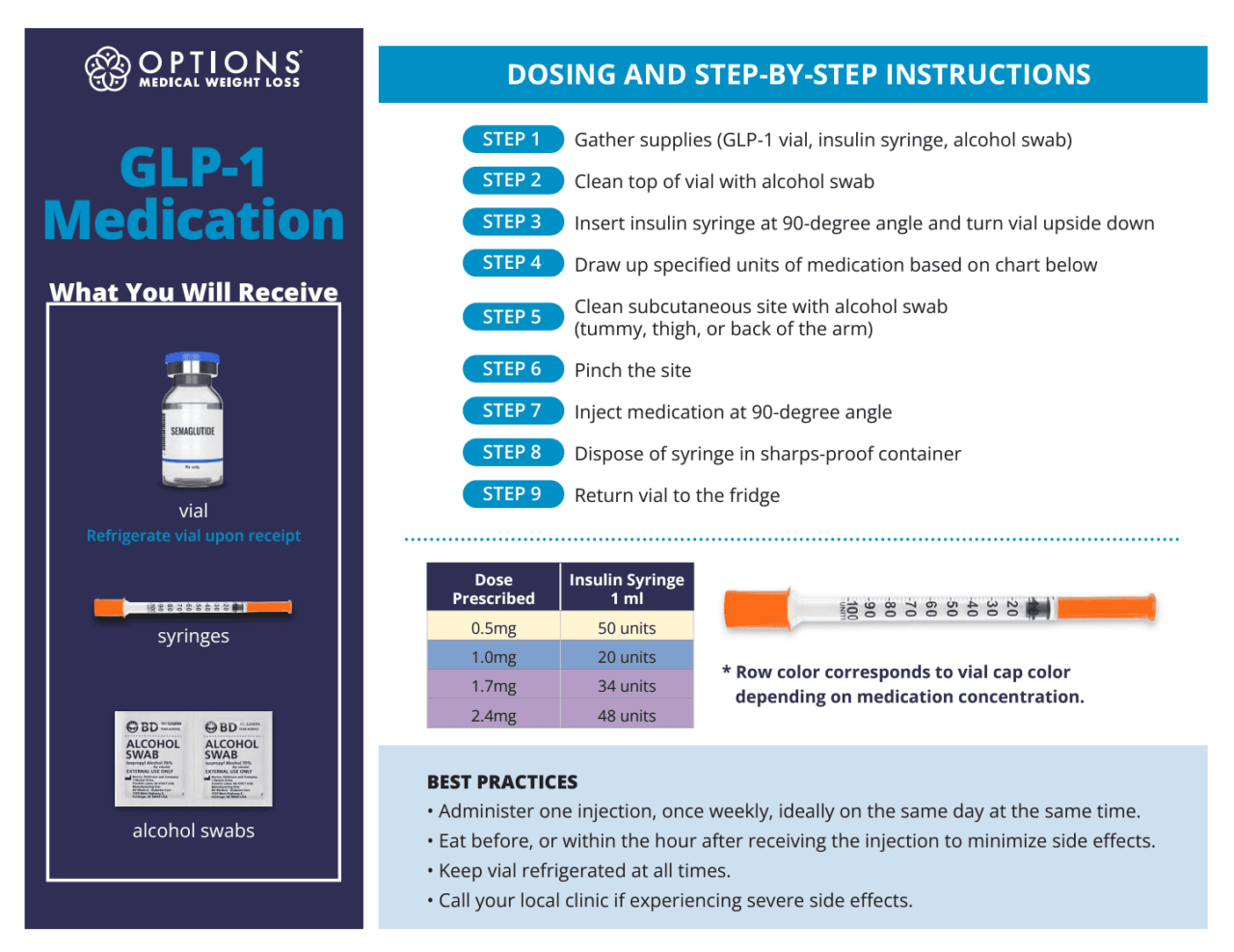
While GLP-1 receptor agonists have shown promise in reducing weight and improving glucose metabolism in children, they are not without risks and side effects. Potential side effects of GLP-1 medication include:
- Nausea and vomiting
- Diarrhea and abdominal pain
- Injection site reactions
- Headaches and fatigue
Conclusion
GLP-1 medication for weight loss in children is a promising solution for managing obesity and related complications in pediatric populations. While there are potential risks and side effects associated with GLP-1 medication, the benefits of improved appetite regulation, glucose metabolism, and weight loss make it a valuable treatment option for children and adolescents with obesity. Further research is needed to fully understand the long-term effects of GLP-1 medication on growth and development in children.
Future Directions
As research continues to evolve, it is essential to consider the following factors when evaluating the use of GLP-1 medication for weight loss in children:
- Individualized dosing and titration
- Clinical monitoring for adverse events
- Family and school-based interventions to support behavioral change
- Long-term follow-up and weight management strategies
By considering these factors and ongoing research, healthcare providers can make informed decisions about the use of GLP-1 medication for weight loss in children, ensuring the best possible outcomes for this population.

:max_bytes(150000):strip_icc()/health-GettyImages-2025836701-ce3f5ccf0f98428e9d14abaeb07ba307.jpg "GLP-1 receptor agonists for the treatment of obesity in children and ...")