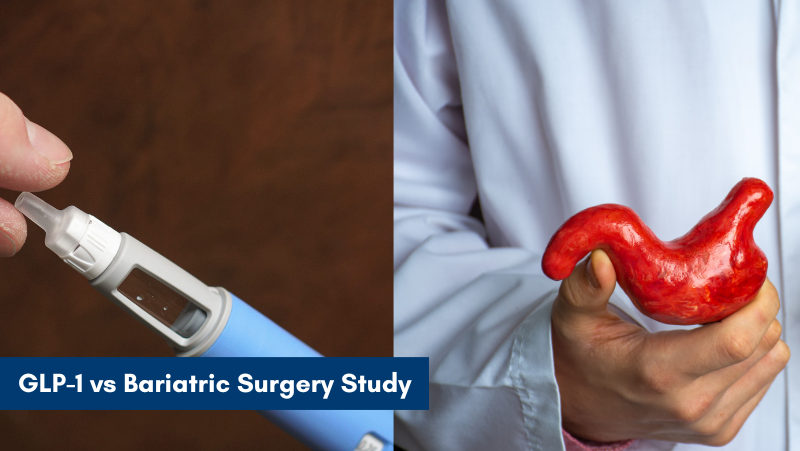
Understanding GLP-1 and Weight Loss Surgery: A Comprehensive Guide
Obesity is a complex condition with various causes, including genetics, environmental factors, medications, and lifestyle choices. Many people struggle to lose weight and keep it off, leading to the recurrence of obesity-related comorbidities. Bariatric surgery is the most effective treatment for obesity, but some patients experience inadequate weight loss or regain weight post-surgery. This is where GLP-1 (Glucagon-like peptide-1) receptor agonists come in, as adjunct therapies to bariatric surgery, either preoperatively or postoperatively.
The Role of GLP-1 in Weight Loss
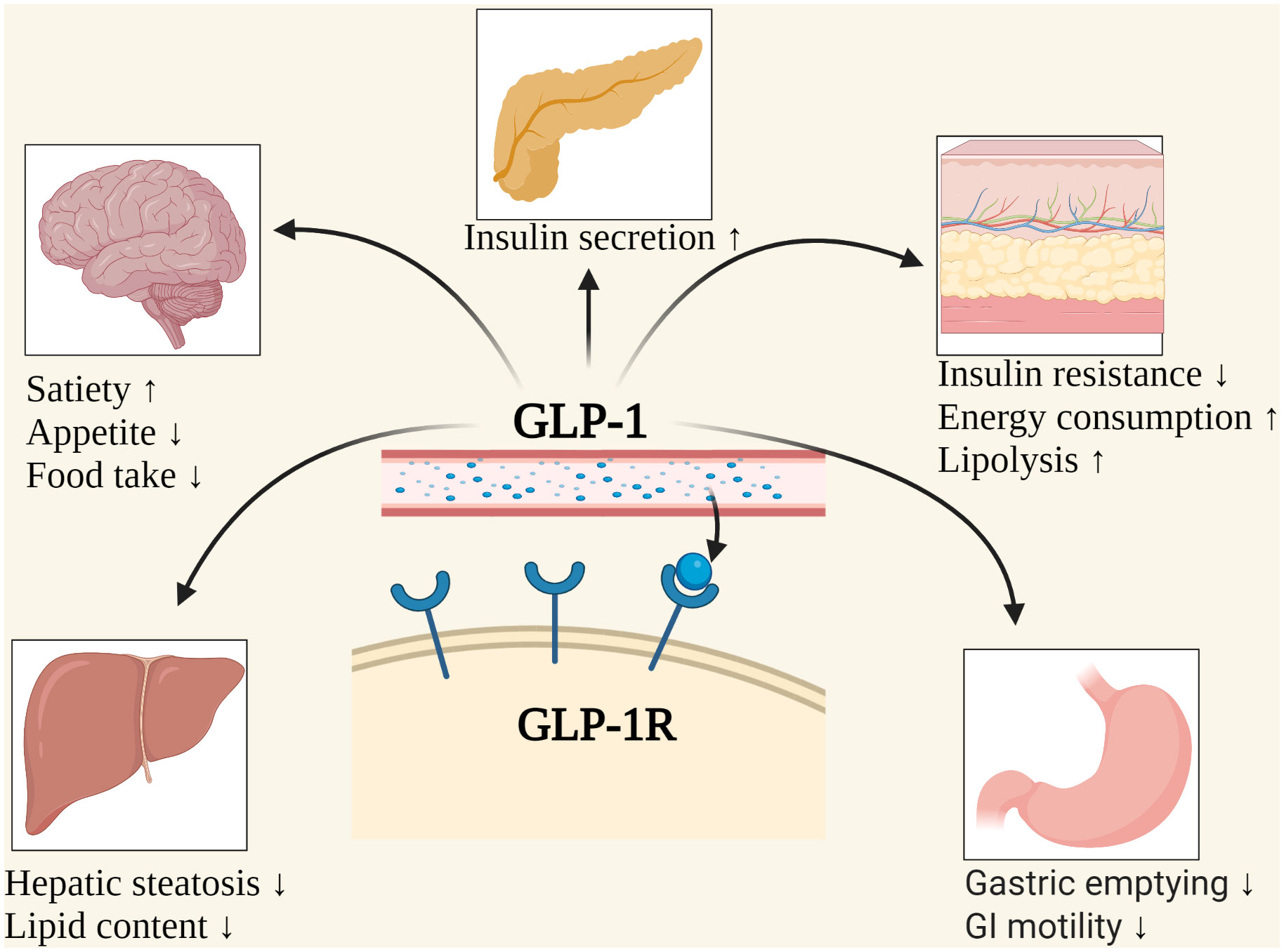
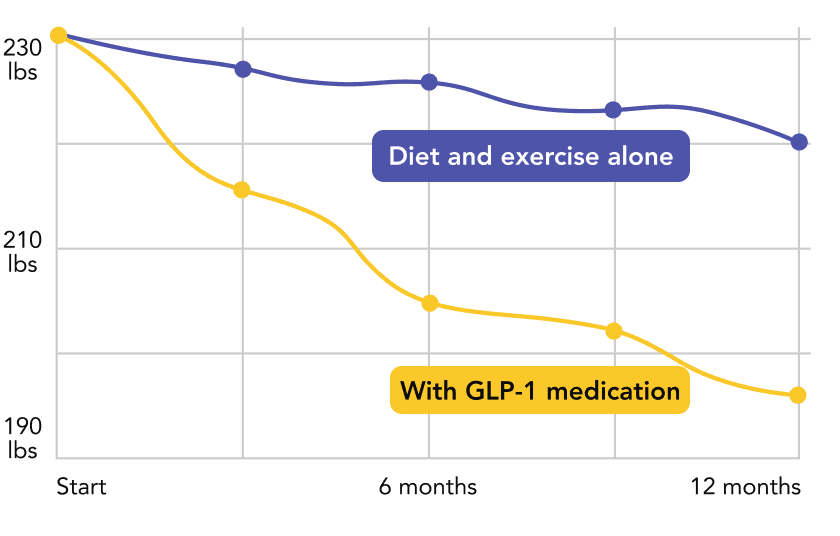
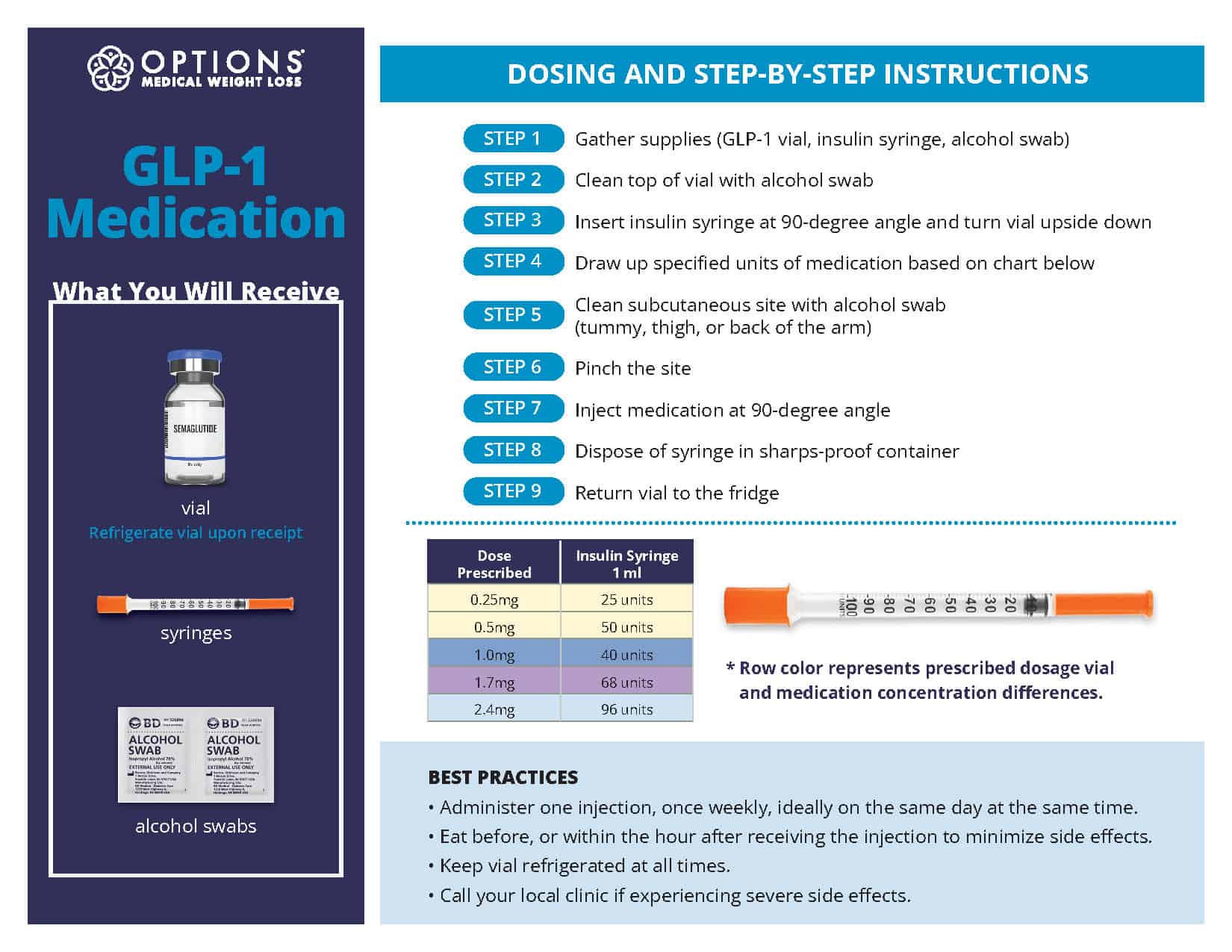
GLP-1 is a hormone that helps regulate blood sugar levels and insulin sensitivity. GLP-1 receptor agonists mimic the action of GLP-1, increasing insulin sensitivity, reducing hunger, and promoting weight loss. These medications are designed to be taken injectably and have been shown to be effective in aiding weight loss in patients with obesity.
Weight Loss Surgery vs. GLP-1 Medications
While both weight loss surgery and GLP-1 medications represent proven medical interventions for serious weight loss, they differ dramatically in approach, timeline, and long-term commitment requirements. Weight loss surgery is a more invasive procedure that requires short-term hospitalization, while GLP-1 medications are taken orally and require a longer-term commitment.
- Bariatric surgery: The surgery is considered for patients with a body mass index (BMI) of 40 or higher, or for those with a BMI of 35 or higher with severe obesity-related health conditions.
- GLP-1 medications: These medications are typically prescribed for patients with a BMI of 30 or higher, or for those with a BMI of 27 or higher with at least one obesity-related health condition.
The Benefits of Combining GLP-1 and Bariatric Surgery
Combining GLP-1 and bariatric surgery may provide additional health benefits, such as improved glucose control and reduced cardiovascular risk. Studies have shown that GLP-1 analogues can be used as adjunct therapies to bariatric surgery, leading to improved weight loss outcomes and reduced weight regain.

Combination Therapy for Weight Loss
Combination therapy involves taking GLP-1 medications before, during, or after bariatric surgery. Some studies suggest that starting GLP-1 therapy 1-2 months before bariatric surgery can lead to improved weight loss outcomes and reduced weight regain. Additionally, combining GLP-1 and bariatric surgery may help patients achieve better glucose control and reduce the risk of weight-related comorbidities.
Limitations and Side Effects of GLP-1 Medications
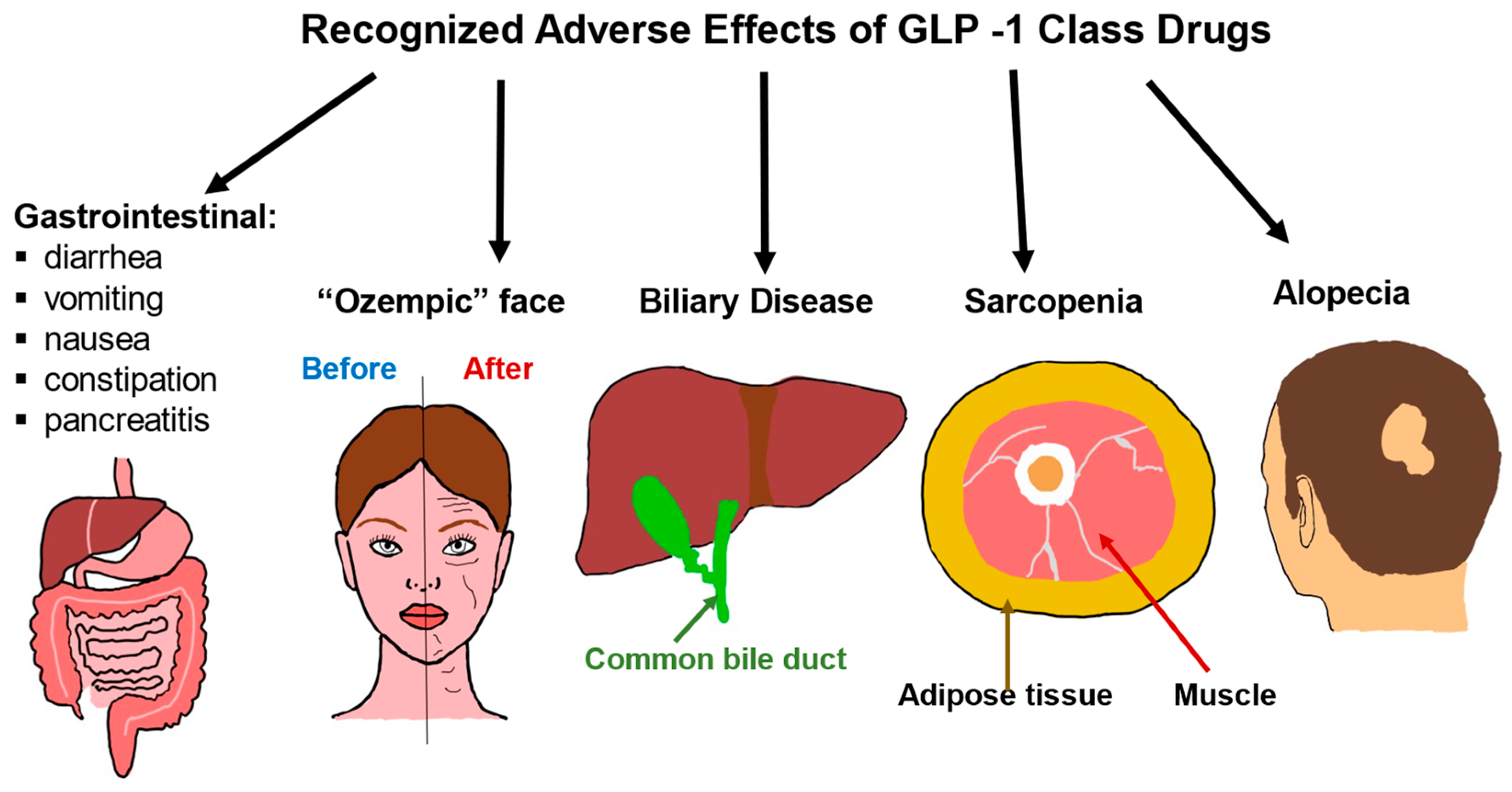
While GLP-1 medications are effective for weight loss, they may have limitations and side effects, such as nausea, vomiting, diarrhea, and headache. Additionally, GLP-1 medications can lead to "Ozempic face," a condition characterized by sagging skin on the face and wrinkles. These side effects can be unpleasant, and patients should carefully weigh the benefits and drawbacks before starting therapy.
The Future of GLP-1 and Weight Loss Surgery
The rise of GLP-1 medications has led to increased interest in combination therapy, where GLP-1 and bariatric surgery are used together to achieve optimal weight loss and health outcomes. As research continues to evolve, it is likely that GLP-1 and bariatric surgery will become an increasingly important aspect of weight management, offering patients more options for achieving and maintaining a healthy weight.
Conclusion
GLP-1 and weight loss surgery represent valuable treatment options for patients with obesity. While bariatric surgery is the most effective treatment for obesity, GLP-1 medications offer a more accessible and less invasive alternative. Combining GLP-1 and bariatric surgery may provide additional health benefits and improved weight loss outcomes, but more research is needed to fully understand the effects of combination therapy. Patients should carefully consider their treatment options and discuss their individual needs with a healthcare professional to achieve optimal weight management and overall health outcomes.