GLP-1 and Low-Calorie Diets: A Comprehensive Guide
When it comes to managing weight, the use of GLP-1 (Glucagon-Like Peptide-1) agonist medications has gained significant attention in recent years. These medications work by mimicking the action of the natural hormone GLP-1, which regulates appetite, glucose metabolism, and weight management. However, combining GLP-1 medications with a low-calorie diet can be a complex and nuanced process. In this article, we will delve into the world of GLP-1 and low-calorie diets, exploring the benefits and challenges of this approach, as well as providing practical tips and recommendations for successful weight management.
The Science Behind GLP-1 and Low-Calorie Diets
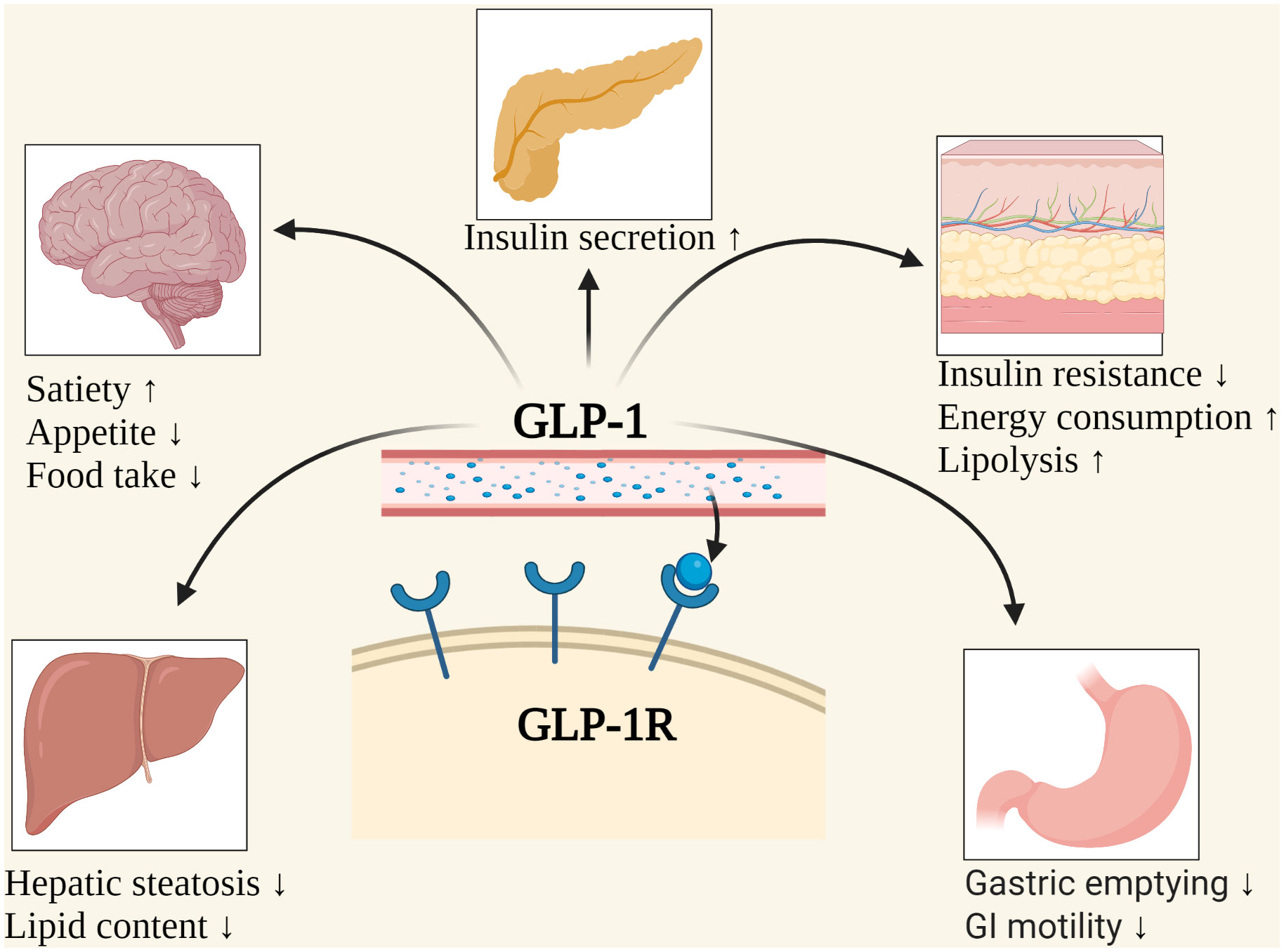
GLP-1 agonist medications, such as semaglutide and tirzepatide, have been shown to be effective in promoting weight loss and improving glucose metabolism. These medications work by binding to GLP-1 receptors in the brain, which triggers a series of physiological responses that lead to reduced appetite, improved insulin sensitivity, and increased fat burning. When combined with a low-calorie diet, GLP-1 medications can enhance the body's natural response to caloric restriction, leading to more efficient weight loss and improved overall health.
The Benefits of Combining GLP-1 and Low-Calorie Diets
- Enhanced Weight Loss**: By combining GLP-1 medications with a low-calorie diet, individuals can experience more significant weight loss and improved body composition.
- Improved Glucose Metabolism**: GLP-1 agonist medications have been shown to improve insulin sensitivity and glucose metabolism, reducing the risk of developing type 2 diabetes and other metabolic disorders.
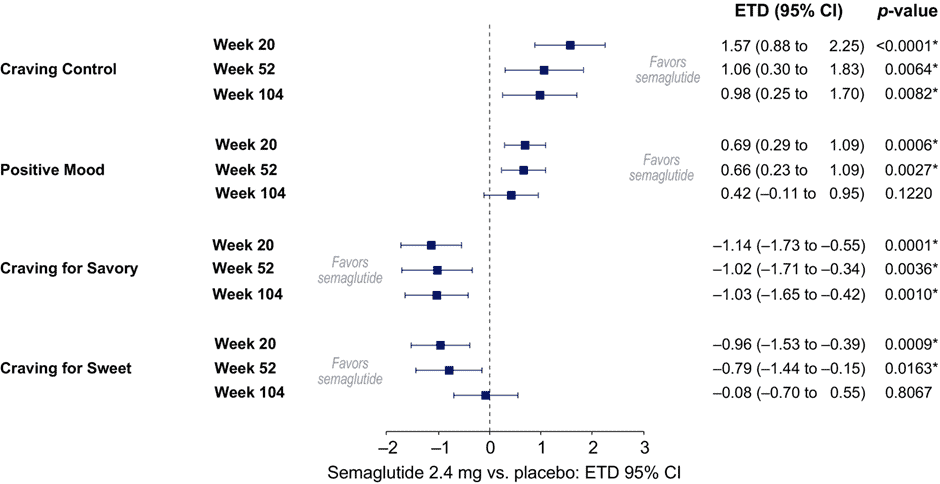
- Reduced Appetite**: GLP-1 medications can help reduce hunger and increase feelings of fullness, making it easier to stick to a low-calorie diet.
- Increased Fat Burning**: GLP-1 agonist medications can increase the body's ability to burn fat for energy, leading to improved weight loss and improved overall health.
The Challenges of Combining GLP-1 and Low-Calorie Diets
While combining GLP-1 medications with a low-calorie diet can be effective, there are several challenges to consider. Some of these challenges include:

- Gastrointestinal Side Effects**: GLP-1 medications can cause nausea, vomiting, diarrhea, and abdominal pain, which can be exacerbated by a low-calorie diet.
- Reduced Nutrient Intake**: Low-calorie diets can lead to inadequate nutrient intake, particularly if the diet is not well-planned or lacks essential nutrients.
- Increased Risk of Nutrient Deficiencies**: GLP-1 medications can impair nutrient absorption, increasing the risk of nutrient deficiencies if the diet is not well-planned.
Practical Tips for Combining GLP-1 and Low-Calorie Diets
To successfully combine GLP-1 medications with a low-calorie diet, consider the following tips:
- Eat Regular Meals**: Eating regular meals can help reduce hunger and improve nutrient intake.
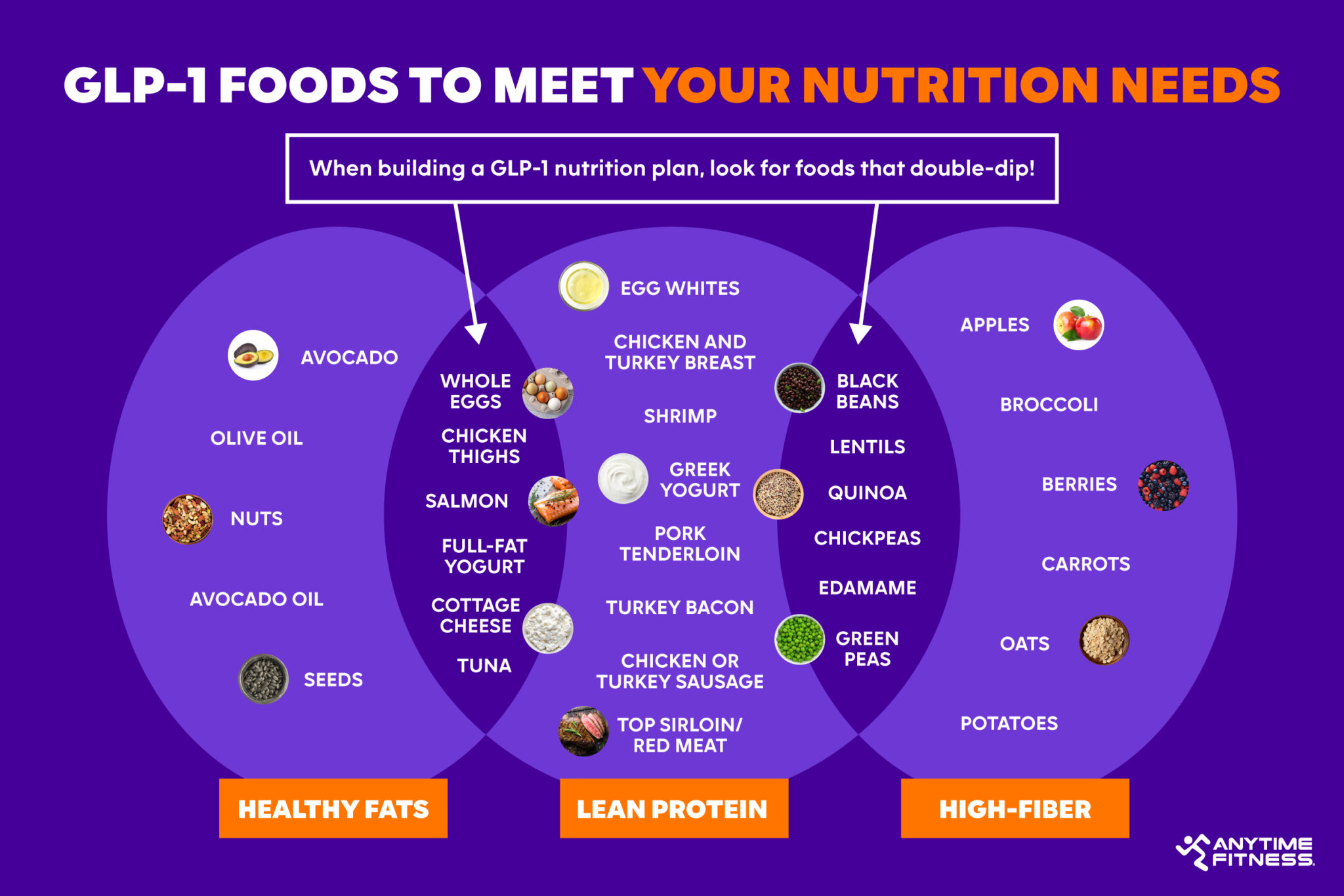
- Choose Nutrient-Dense Foods**: Focus on whole, unprocessed foods, such as fruits, vegetables, whole grains, lean proteins, and healthy fats.
- Avoid Calorie-Dense Foods**: Avoid foods high in added sugars, saturated fats, and sodium, which can hinder weight loss and worsen gastrointestinal side effects.
- Stay Hydrated**: Adequate hydration can help reduce side effects and improve nutrient absorption.
- Consider Supplements**: Certain supplements, such as multivitamins, vitamin B12, magnesium, and omega-3 fatty acids, may be beneficial for individuals taking GLP-1 medications and following a low-calorie diet.
Conclusion
Combining GLP-1 medications with a low-calorie diet can be a powerful approach to weight management and improved overall health. However, it is essential to be aware of the potential challenges and take steps to mitigate them. By following the practical tips outlined in this article and working with a healthcare provider, individuals can successfully combine GLP-1 medications with a low-calorie diet and achieve their weight loss and health goals.

![GLP-1 Diet: Foods to Eat, Avoid & Sample Meal Plan [2026]](https://theslimspa.com/wp-content/uploads/2024/01/GLYCEMICINDEXFOODLIST-GIDIET-1_page-0002-scaled.jpg "GLP-1 Diet: Foods to Eat, Avoid & Sample Meal Plan [2026]")