GLP-1 and Insulin Resistance: Understanding the Connection
Insulin resistance is a major issue that affects millions of people worldwide, leading to serious health complications such as diabetes, cardiovascular disease, and obesity. Recent research has highlighted the potential of Glucagon-like peptide-1 (GLP-1) in overcoming insulin resistance and improving glucose control. In this article, we will delve into the connection between GLP-1 and insulin resistance, exploring its mechanisms and potential applications.
The Impact of Insulin Resistance
Insulin resistance occurs when the body's cells become less responsive to insulin, a hormone produced by the pancreas that regulates blood sugar levels. This condition is often caused by a combination of genetic, diet, and lifestyle factors, including a high-calorie diet, sedentary lifestyle, and stress. As a result, the pancreas produces more insulin to compensate, leading to increased glucose levels in the blood.
What is GLP-1 and Its Role in Insulin Resistance?
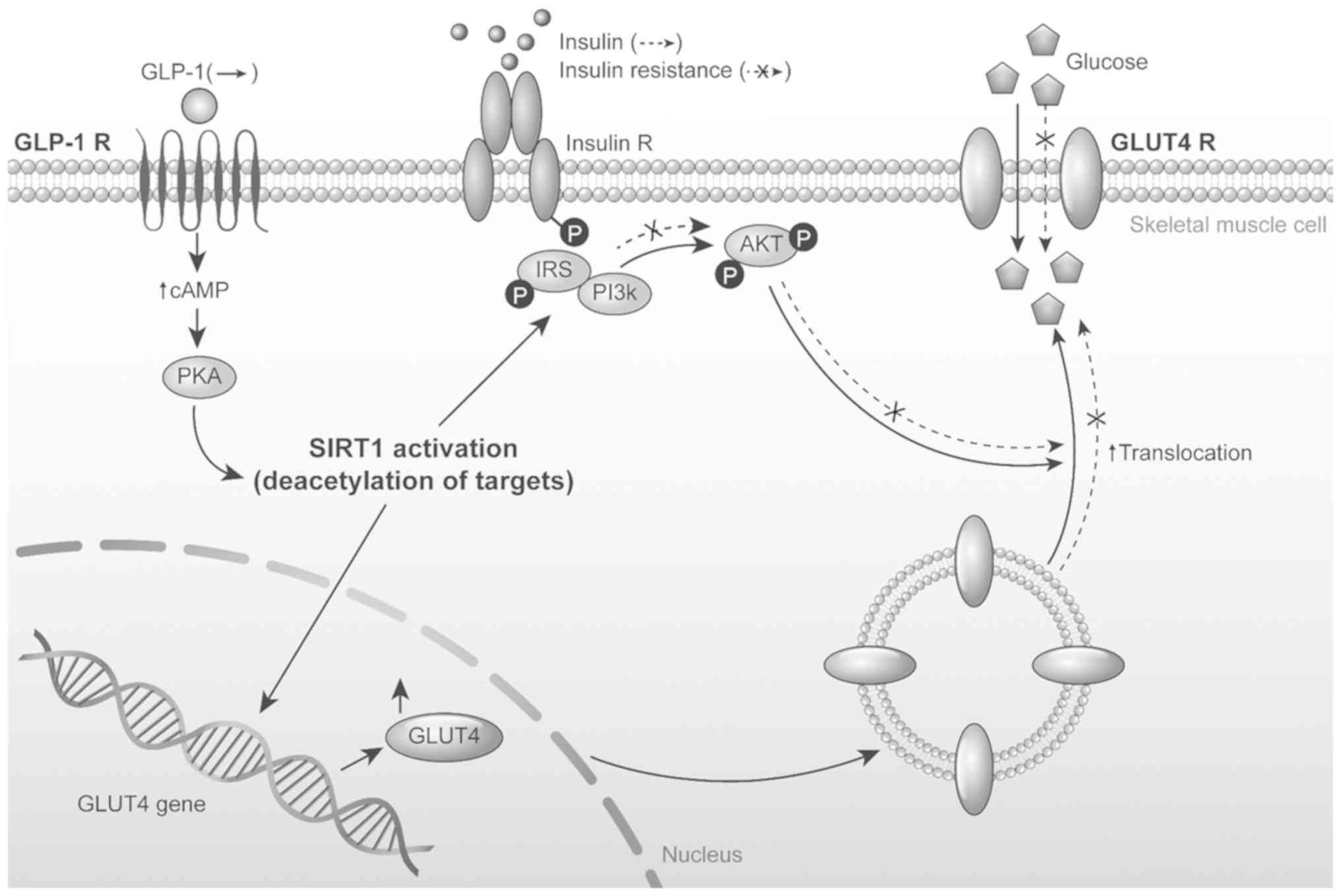
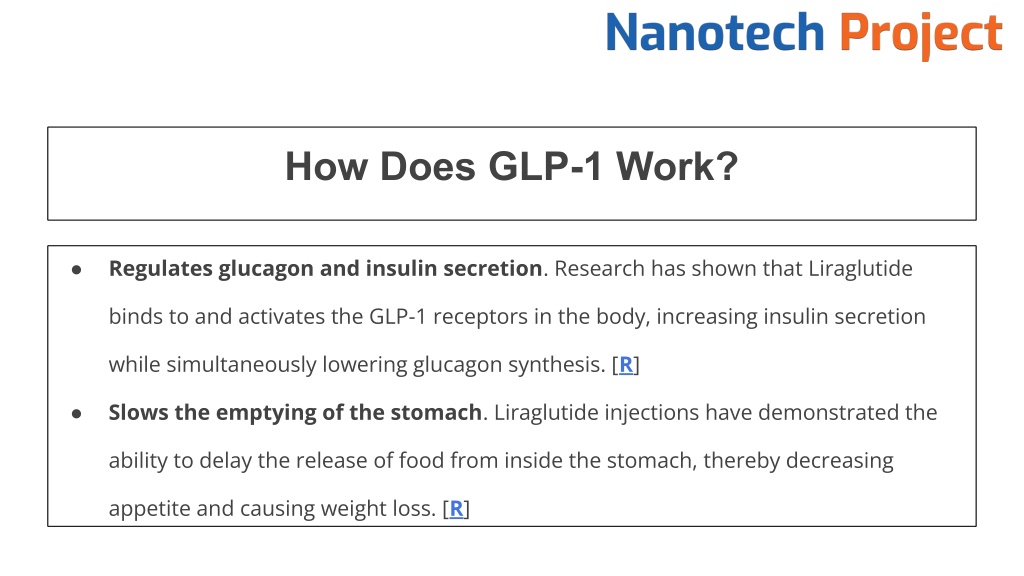
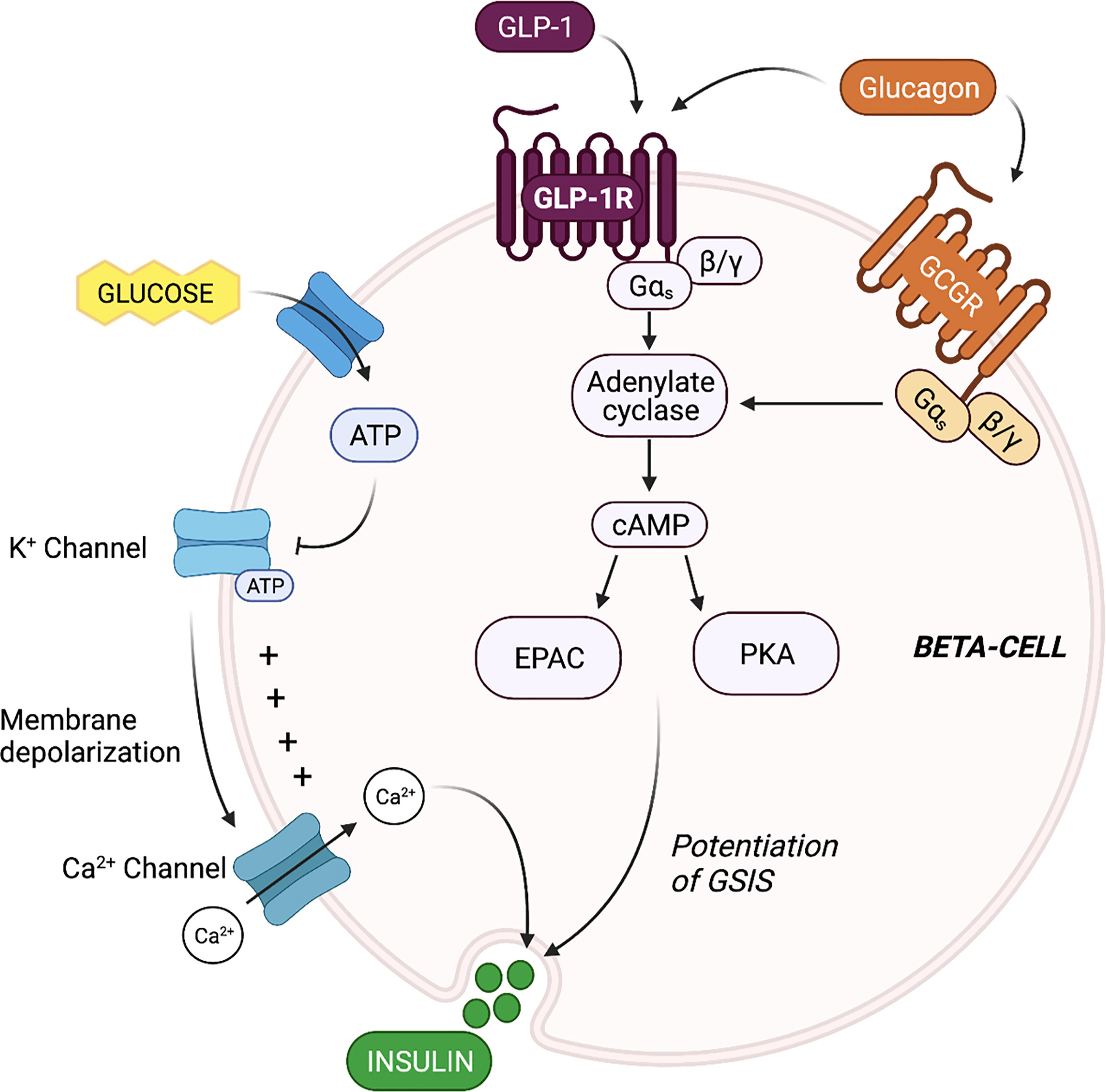
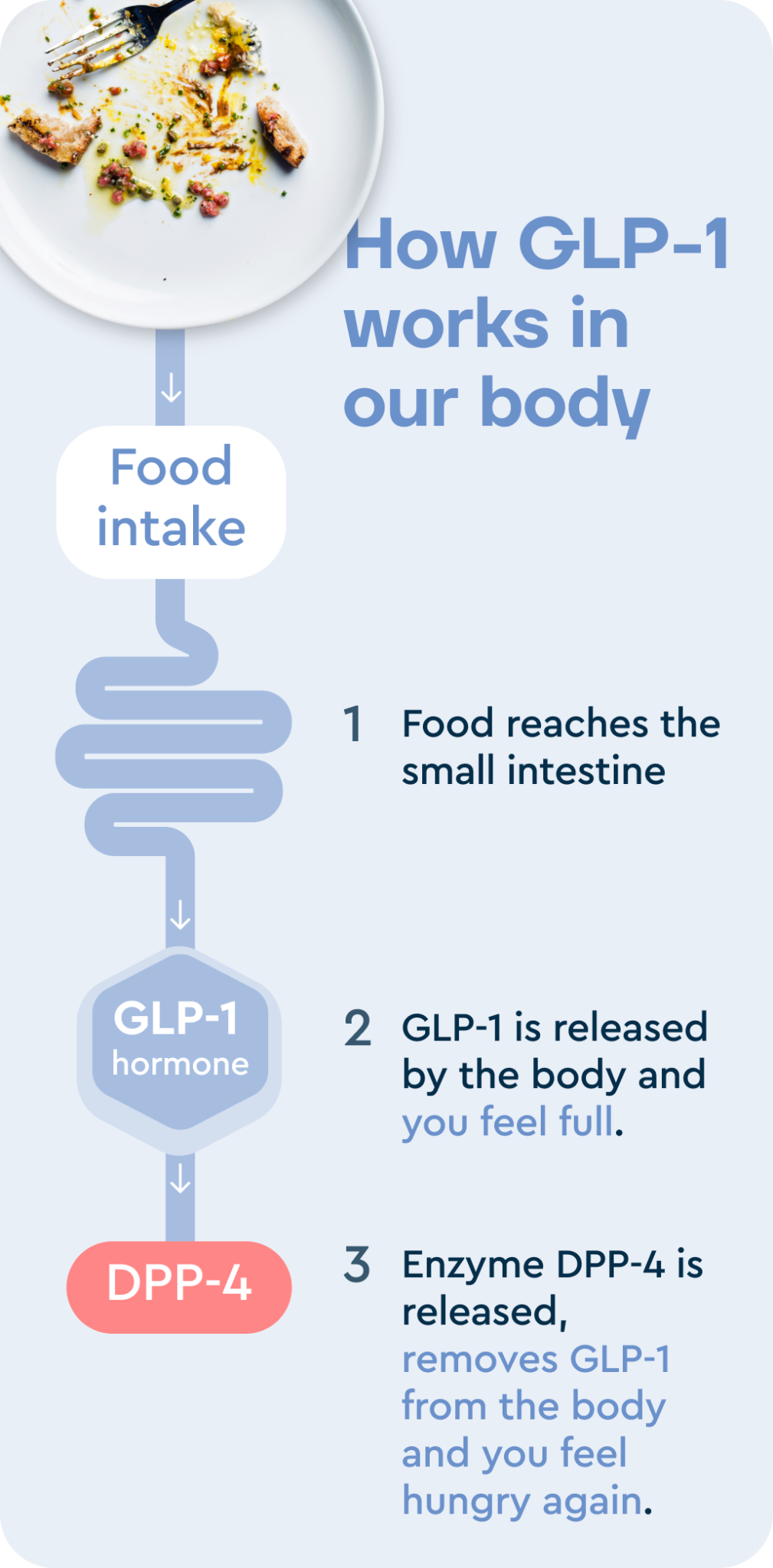
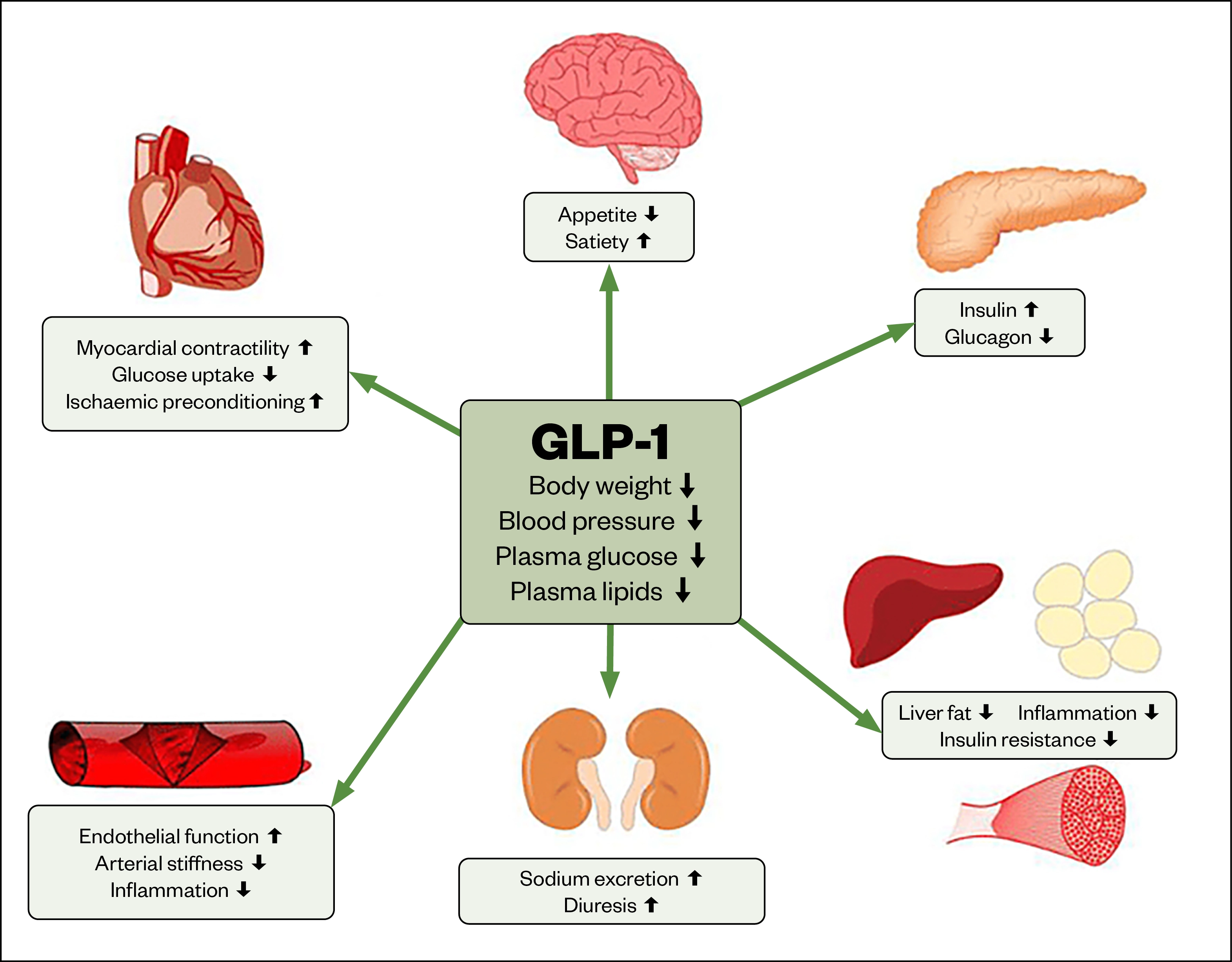
GLP-1 is an incretin hormone released naturally in the gut after a meal, stimulating insulin secretion and inhibiting glucagon production. Its primary function is to regulate glucose levels and appetite control. Research has shown that GLP-1 has a significant impact on insulin resistance, improving insulin sensitivity and glucose control.
GLP-1 Receptor Agonists as a Treatment for Insulin Resistance
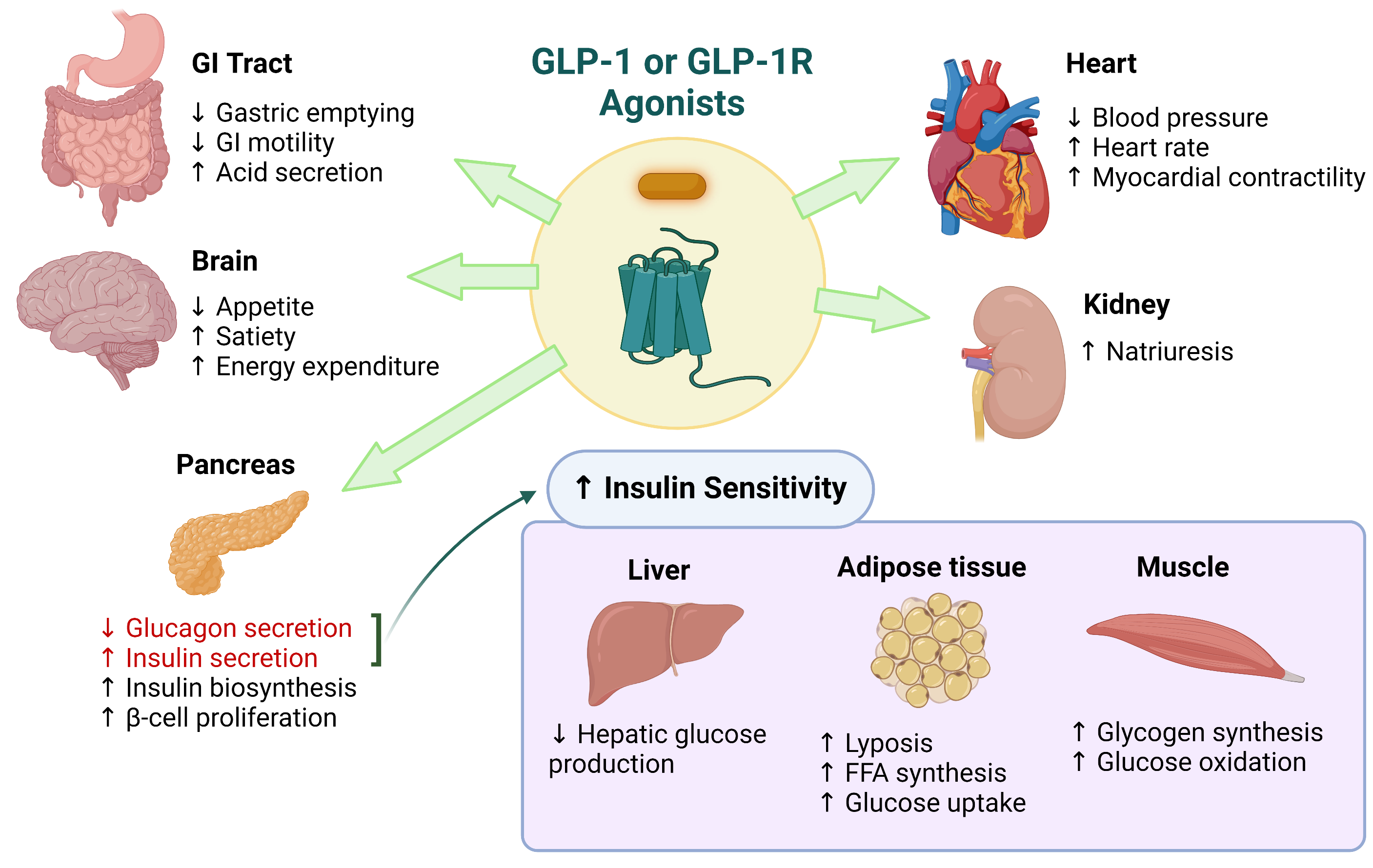
GLP-1 receptor agonists, such as semaglutide and liraglutide, mimic the action of natural GLP-1, stimulating insulin secretion and reducing glucagon production. These medications have been shown to improve insulin sensitivity, glucose control, and weight loss, making them a promising treatment option for individuals with insulin resistance.
Benefits of GLP-1 in Insulin Resistance
- Improves insulin sensitivity
- Enhances glucose control
- Supports weight loss
- Reduces cholesterol and blood pressure levels
- Decreases inflammation
Challenges and Considerations
While GLP-1 receptor agonists show promising results in treating insulin resistance, challenges and considerations remain. These medications can have side effects such as nausea, vomiting, and increased risk of pancreatitis. Additionally, the long-term impact of GLP-1 therapy on insulin resistance and glucose control is still unclear.
Conclusion
GLP-1 plays a significant role in regulating insulin resistance and glucose control. Research has shown that GLP-1 receptor agonists can improve insulin sensitivity, glucose control, and weight loss, making them a promising treatment option for individuals with insulin resistance. However, further studies are needed to fully understand the benefits and limitations of GLP-1 therapy in addressing insulin resistance.
Key Takeaways
Additional Resources
For more information on GLP-1 and insulin resistance, refer to the following sources:
- "GLP-1 Receptor Agonists: A New Hope for Insulin Resistance?" (Journal of Clinical Endocrinology and Metabolism)
- "GLP-1 and Insulin Resistance: A Systematic Review" (Diabetes, Obesity and Metabolism)
- "GLP-1 Receptor Agonists for Insulin Resistance: A Review of the Literature" (Journal of Diabetes Research)
Consult with a healthcare professional for personalized advice on managing insulin resistance and exploring the potential benefits of GLP-1 therapy.