GLP-1 Agonist Therapy Outcomes: A Comprehensive Review
Introduction
The use of glucagon-like peptide-1 receptor agonists (GLP-1RAs) has grown significantly in recent years, driven by their effectiveness in weight loss, glucose control, and cardiovascular benefits. However, the true extent of their impact on various health outcomes remains an area of ongoing research and debate. This article aims to provide a comprehensive overview of the GLP-1 agonist therapy outcomes, exploring their benefits and limitations, and highlighting the emerging trends in this field.GLP-1 Agonist Mechanism and Effects
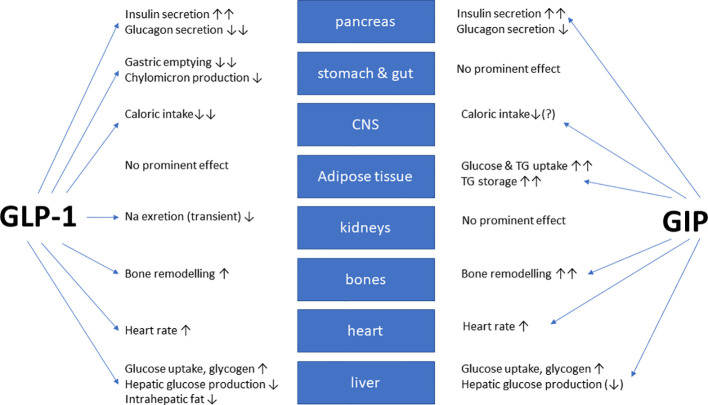
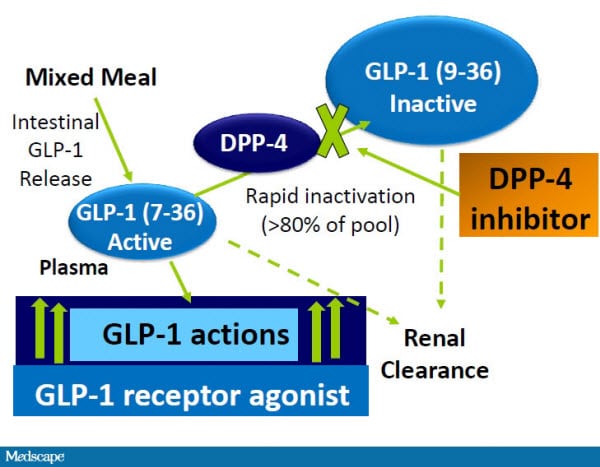
GLP-1 agonists work by mimicking the natural hormone GLP-1, which plays a crucial role in glucose metabolism and appetite regulation. By activating the GLP-1 receptor, these medications promote insulin secretion, increase satiety, and slow gastric emptying, leading to reduced food intake and weight loss. Additionally, GLP-1 agonists have been shown to have a positive impact on cardiovascular health, including reduced blood pressure, improved lipid profiles, and decreased risk of major adverse cardiovascular events.Benefits of GLP-1 Agonist Therapy
Weight Loss and Metabolic Benefits
Numerous studies have demonstrated the effectiveness of GLP-1 agonists in promoting significant weight loss and improving glycemic control in individuals with type 2 diabetes. Some notable benefits include: * Reduced body weight and body mass index (BMI) * Improved fasting glucose and insulin levels * Enhanced insulin sensitivity and glucose uptake * Reduced HbA1c levelsCardiovascular Benefits