GLP-1 Agonist Effects on Cardiovascular Risk Factors
Introduction
Glucagon-like peptide-1 receptor agonists (GLP-1RAs) have emerged as a promising therapeutic option for managing type 2 diabetes mellitus (T2DM) and obesity. In recent years, a growing body of evidence has highlighted the cardiovascular benefits of GLP-1RAs, including reduced cardiovascular mortality, lower rates of myocardial infarction, and lower rates of stroke. However, the effects of GLP-1 agonists on cardiovascular risk factors are complex and multifaceted, warranting a comprehensive review.Cardiovascular Outcome Trials and GLP-1RAs
Multiple large cardiovascular outcome trials (CVOTs) have demonstrated robust and significant reductions in major adverse cardiovascular events (MACE) in patients with T2DM treated with GLP-1RAs. These trials have consistently shown that GLP-1RAs provide cardiovascular benefits across diverse populations, including those with established cardiovascular disease (CVD) and those at high risk of CVD. The CVOTs have also highlighted the safety and efficacy of different GLP-1RAs, providing valuable insights into their cardiovascular effects.GLP-1 Agonist Mechanism and Cardiovascular Benefits
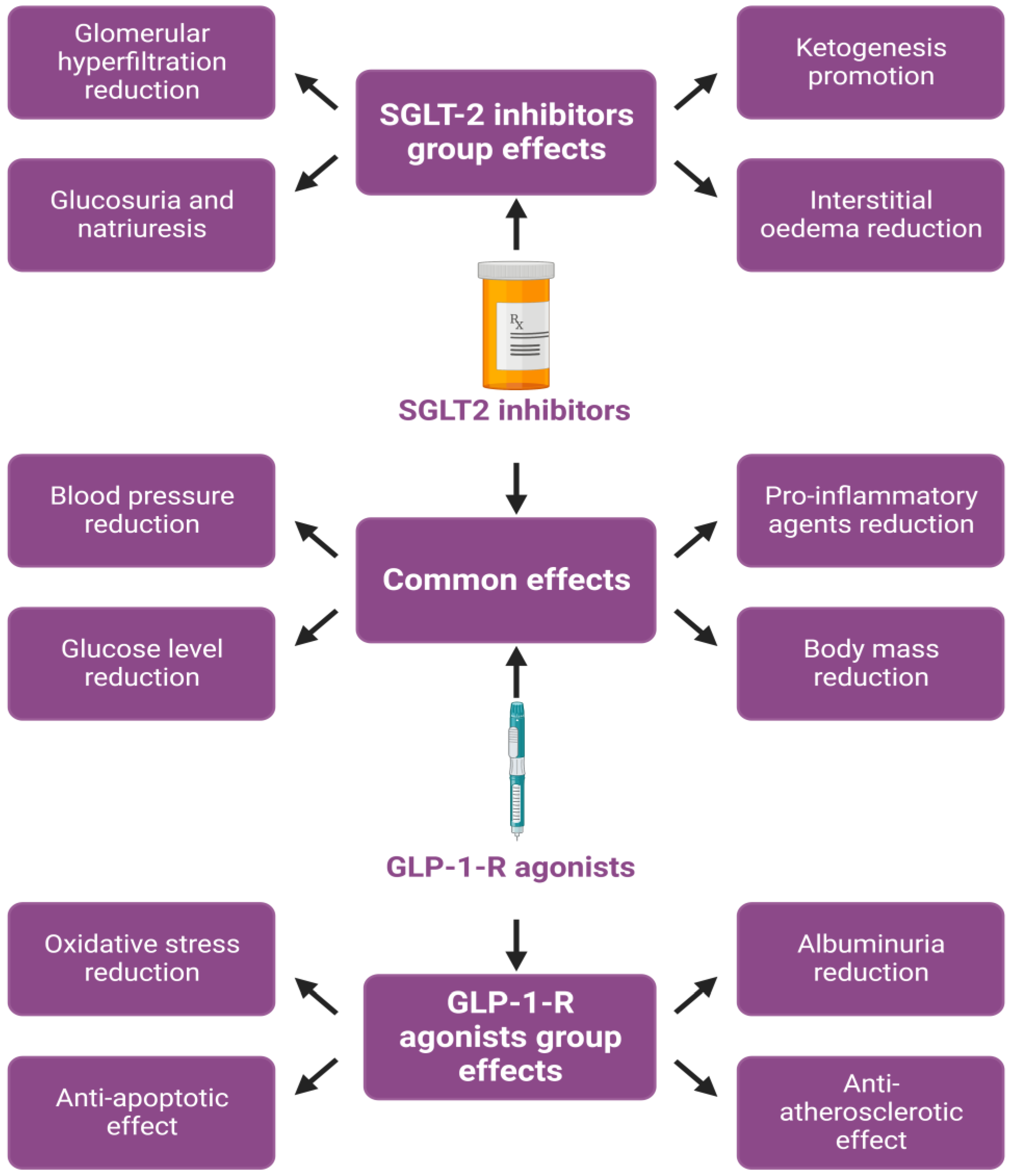
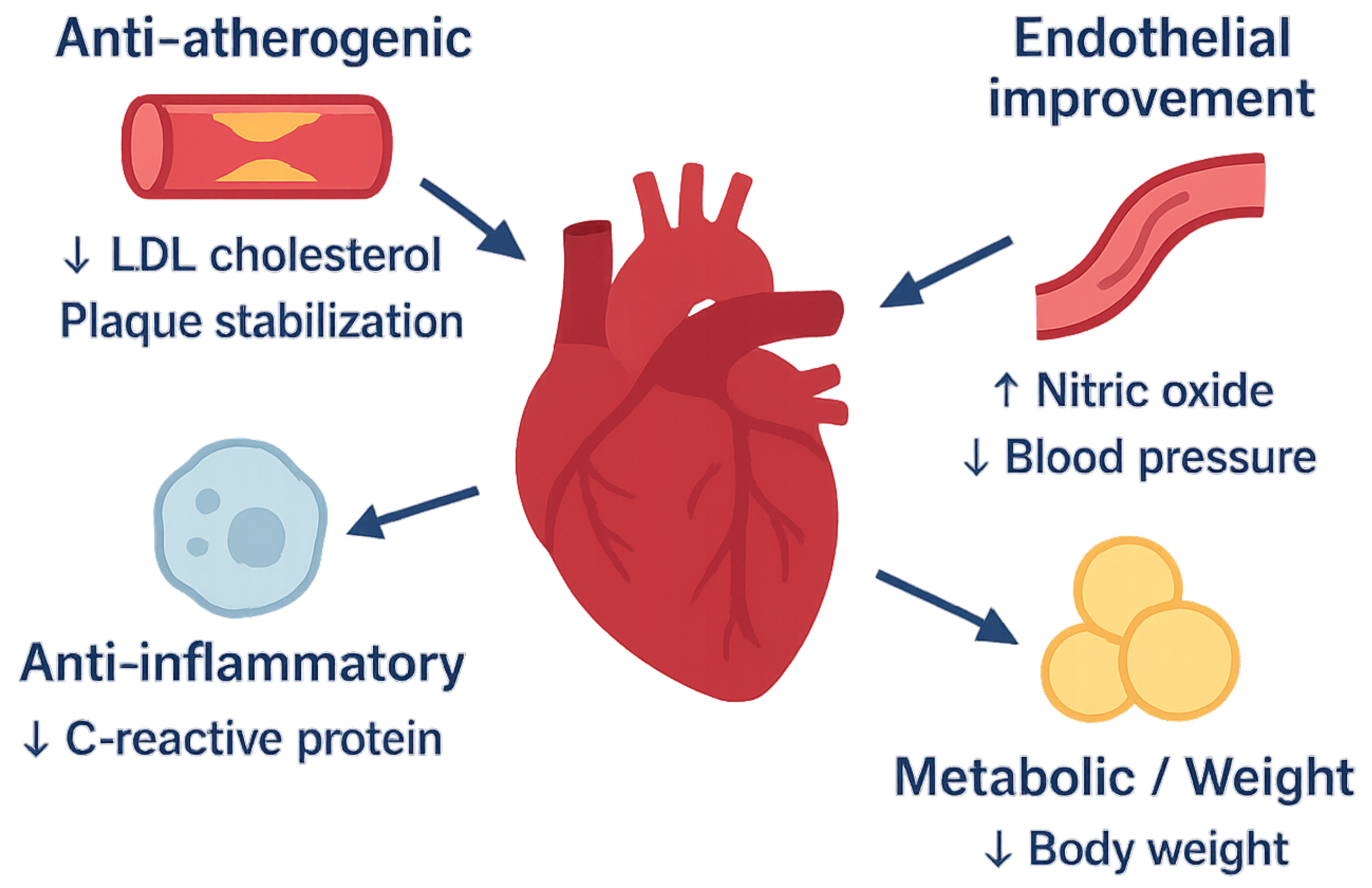
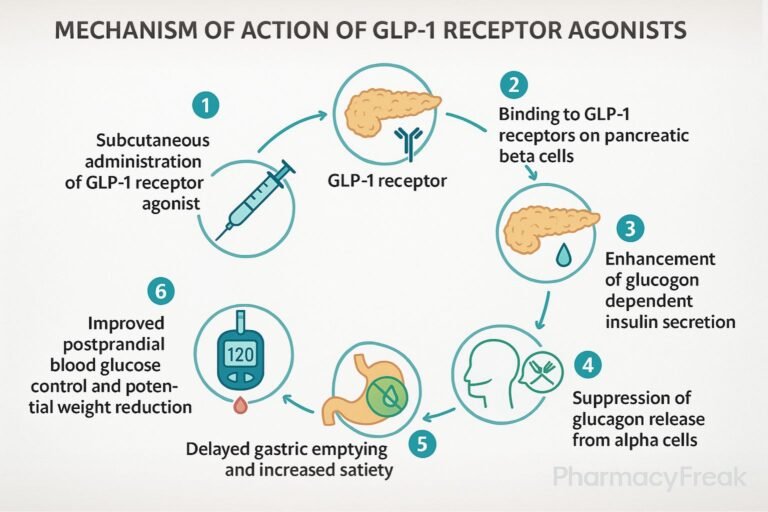
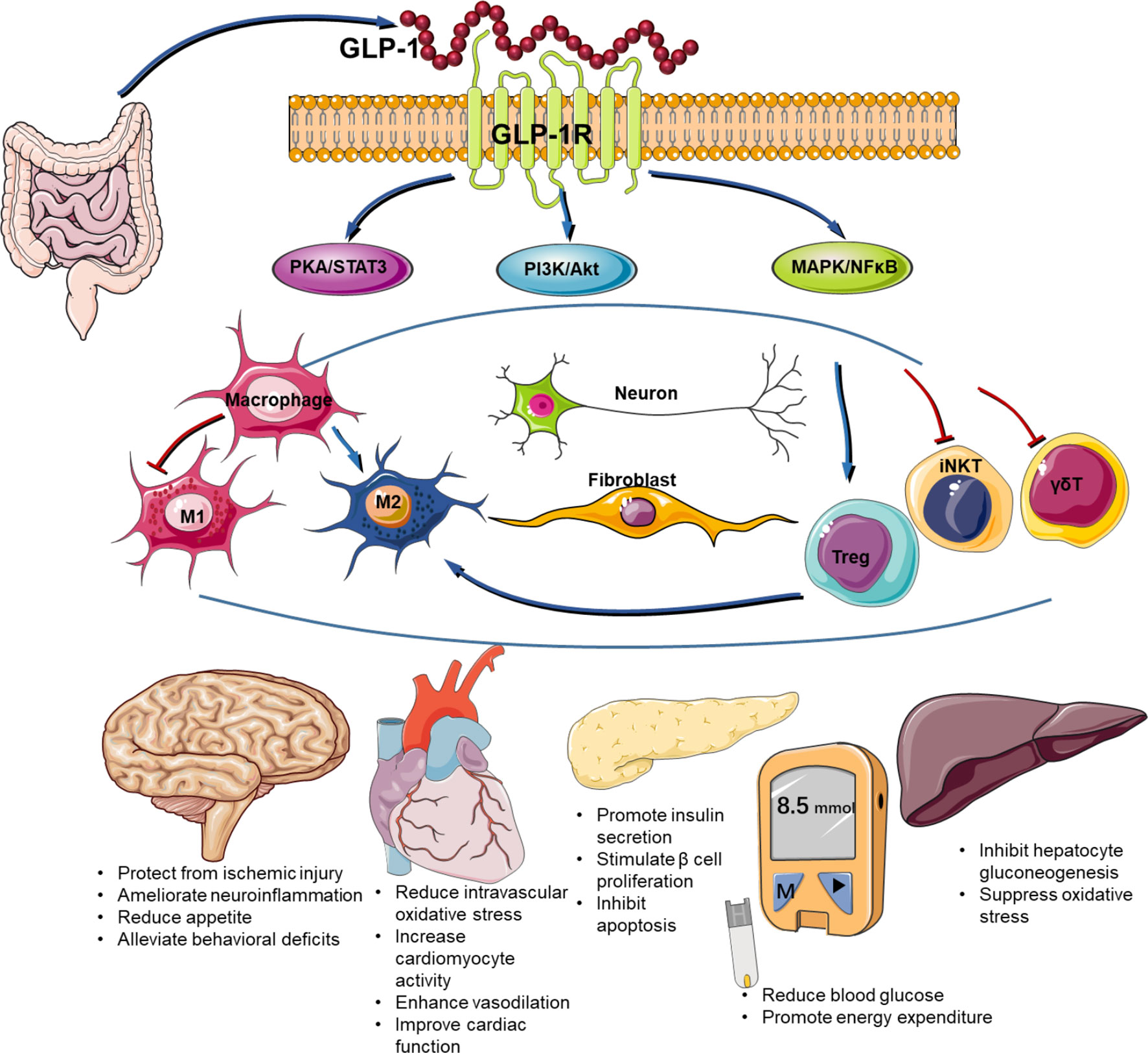
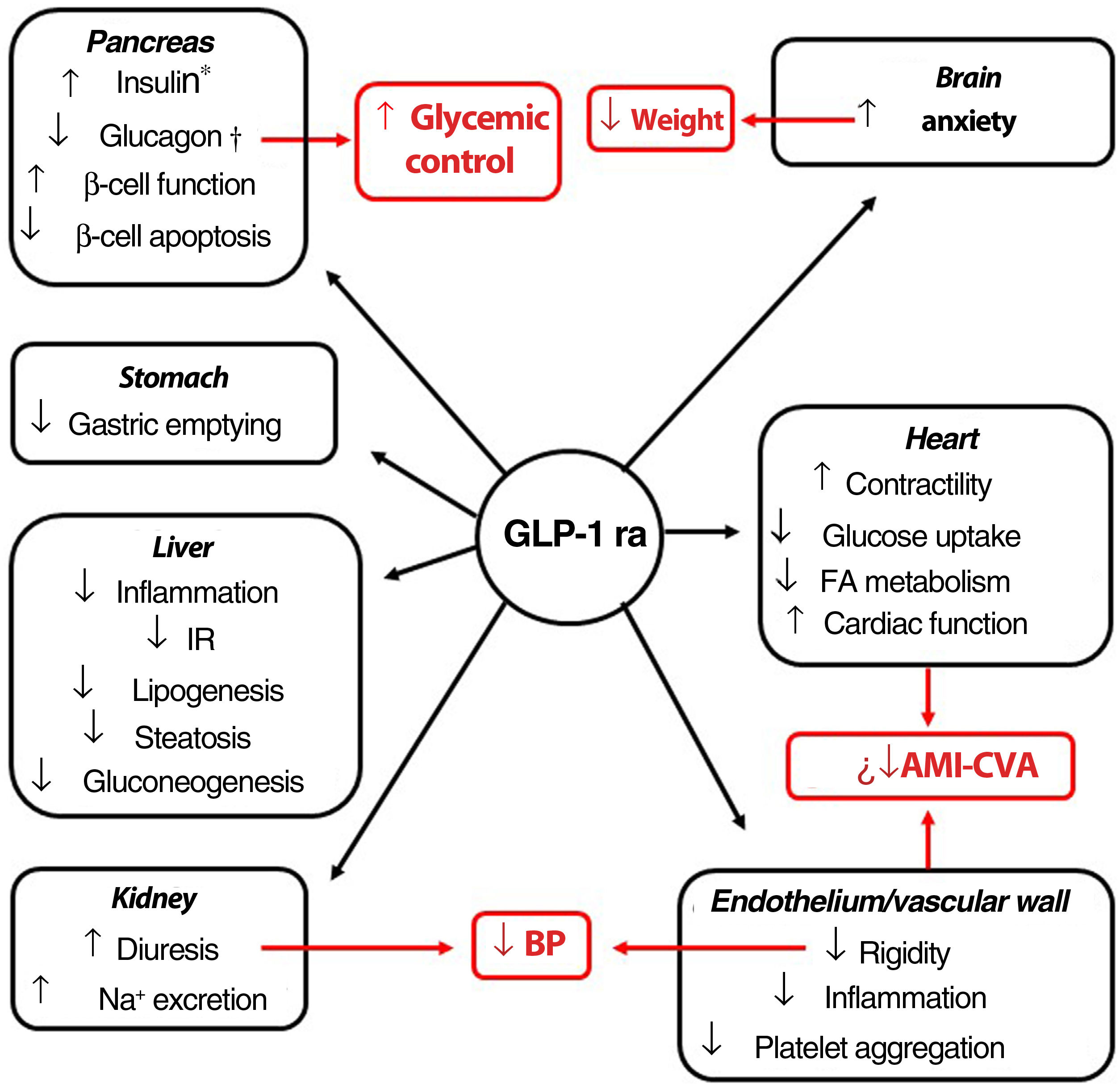
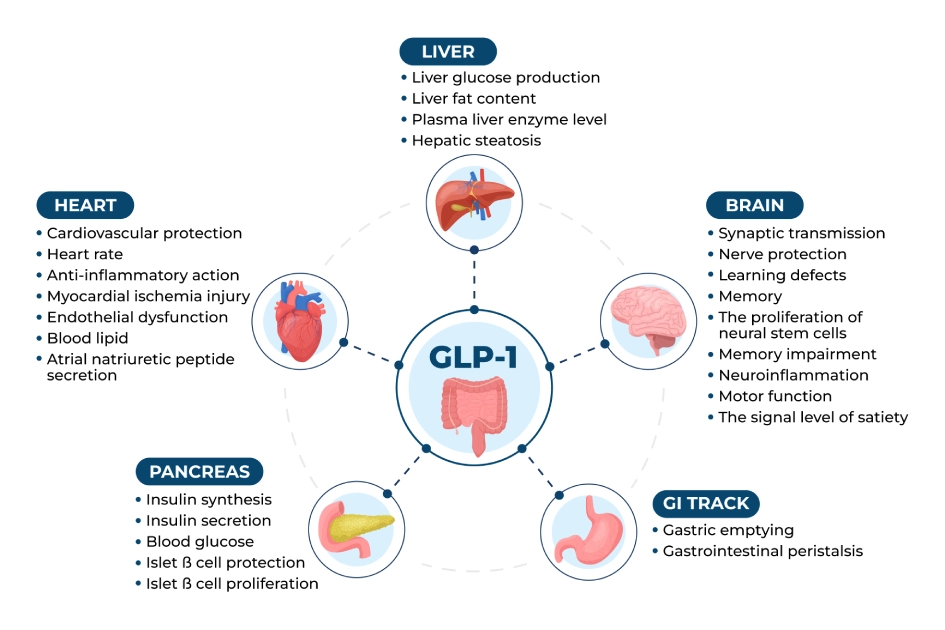
GLP-1RAs mimic the action of incretin hormones, which regulate blood sugar levels by stimulating insulin release and slowing gastric emptying. The mechanism of GLP-1 agonists extends beyond blood sugar control, providing comprehensive protection against cardiovascular risk factors. GLP-1 agonists have been shown to improve cardiovascular outcomes by:- Reducing inflammation and oxidative stress
- Improving lipid profiles and reducing triglyceride levels
- Lowering blood pressure and reducing the risk of heart failure
- Improving kidney function and reducing the risk of kidney disease
GLP-1 Agonist Effects on Cardiovascular Risk Factors: A Systematic Review