Unlocking the GLP-1 Agonist Benefits for Metabolic Health
Glucagon-like peptide-1 (GLP-1) receptor agonists, initially developed to manage blood glucose and weight, have expanded their therapeutic potential to address various metabolic and non-metabolic disorders. These medications, such as Ozempic and Mounjaro, have demonstrated substantial weight loss and metabolic benefits, raising interest in their use beyond their established role in type 2 diabetes management.
GLP-1 Agonist Benefits for Metabolic Health
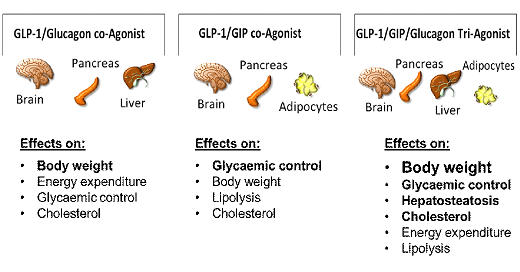
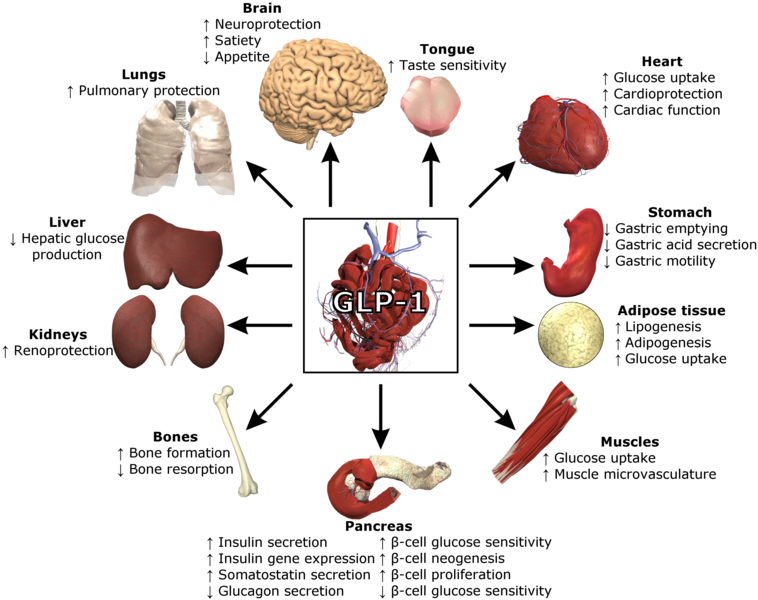
The therapeutic effects of GLP-1 receptor agonists on metabolic health are multifaceted. They enhance insulin secretion, inhibit glucagon release, and slow gastric emptying, leading to improved glycemic control and weight reduction. Beyond their metabolic benefits, these medications have been shown to improve liver function, kidney health, and cardiovascular outcomes.
The Evolution of GLP-1 Agonist Therapy
The discovery of GLP-1 receptor agonists has marked a significant shift in the treatment landscape of metabolic disorders. Initially, these medications were designed to target type 2 diabetes. However, their expanding therapeutic potential has led to their use in obesity management, cardiovascular disease, and other metabolic disorders. Recent research has highlighted their beneficial effects on mental health, raising questions about their potential role in addressing psychiatric conditions.
The Intersection of Metabolic and Mental Health
The relationship between metabolic health and mental health is well-documented. Individuals with metabolic disorders often experience comorbid psychiatric conditions, such as depression and anxiety. GLP-1 receptor agonists may offer psychiatric benefits, influencing prescribing decisions and therapeutic approaches for patients with comorbid conditions. Further research is needed to fully understand the intersection of metabolic and mental health and the potential role of GLP-1 agonists in addressing psychiatric conditions.
The GLP-1 Agonist Benefits Beyond Weight Loss
While weight loss is a significant benefit of GLP-1 receptor agonist therapy, their benefits extend beyond this endpoint. These medications have been shown to improve cardiovascular outcomes, reduce the risk of major adverse cardiovascular events, and improve kidney health. Additionally, GLP-1 agonists have been found to influence cognitive function and may offer potential benefits for dementia and addiction.

The Role of Lifestyle Interventions in GLP-1 Agonist Therapy
Lifestyle interventions, such as regular nutrition coaching, are essential for maintaining weight loss and metabolic improvements. These interventions can help patients achieve and sustain the benefits of GLP-1 agonist therapy. Clinicians should prioritize comprehensive, patient-centered strategies that incorporate lifestyle interventions and GLP-1 agonist therapy to optimize outcomes.
The Future of GLP-1 Agonist Therapy
The future of GLP-1 agonist therapy is promising, with ongoing research exploring their potential benefits for various metabolic and non-metabolic disorders. The use of these medications in conjunction with lifestyle interventions and other therapeutic approaches may lead to improved health outcomes and reduced healthcare costs. As the therapeutic landscape continues to evolve, clinicians and patients must remain informed about the benefits and potential risks of GLP-1 agonist therapy.
Conclusion
GLP-1 receptor agonists have transformed the treatment landscape of metabolic disorders, offering substantial weight loss and metabolic benefits. Their potential role in addressing psychiatric conditions and improving cognitive function has raised interest in their use beyond their established role in type 2 diabetes management. Clinicians and patients must prioritize comprehensive, patient-centered strategies that incorporate lifestyle interventions and GLP-1 agonist therapy to optimize outcomes.