Understanding Carbon Offset Project Risk Assessment
In recent years, the concept of carbon offsetting has gained significant traction as companies and countries look for ways to mitigate their greenhouse gas emissions and contribute to a more sustainable future. However, with the increasing demand for carbon offset projects, it's essential to conduct a thorough risk assessment to ensure that these projects effectively deliver the promised carbon reductions.What is a Carbon Offset Project Risk Assessment?
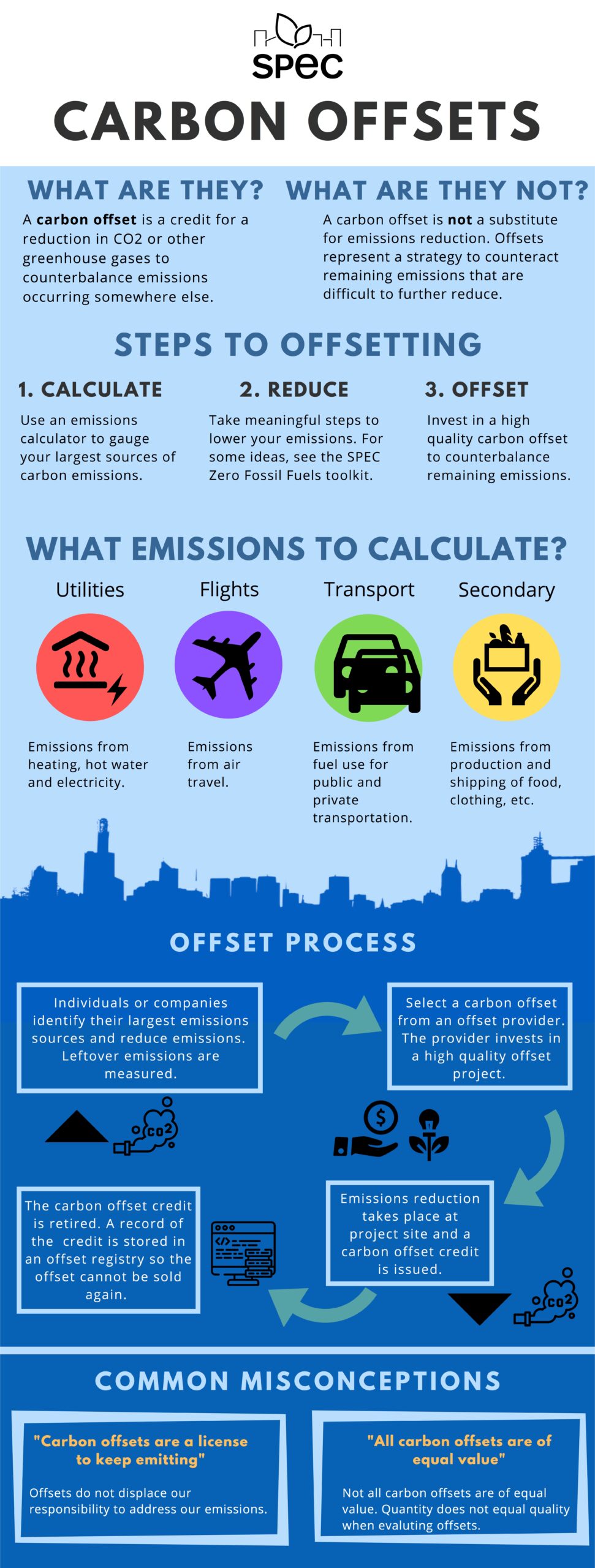
A carbon offset project risk assessment is a systematic evaluation of the potential risks associated with a carbon offset project. This assessment is crucial in identifying and quantifying the risks that could impact the project's ability to deliver the intended carbon reductions. By conducting a thorough risk assessment, investors and project developers can make informed decisions about the viability of a project and its potential for success.Types of Risks Associated with Carbon Offset Projects
Carbon offset projects are not without risks. Some of the primary types of risks associated with these projects include:- Integrity Risk: This refers to the risk that a project may not operate as intended, or that the carbon reductions may not be real or verifiable.
- Delivery Risk: This risk arises from the uncertainty surrounding the timing and quantity of carbon reductions delivered by a project.
- Value Risk: This risk is associated with fluctuations in the value of carbon credits, which can impact the financial returns on a project.
Assessing Offset Quality: A Critical Component of Carbon Offset Project Risk Assessment
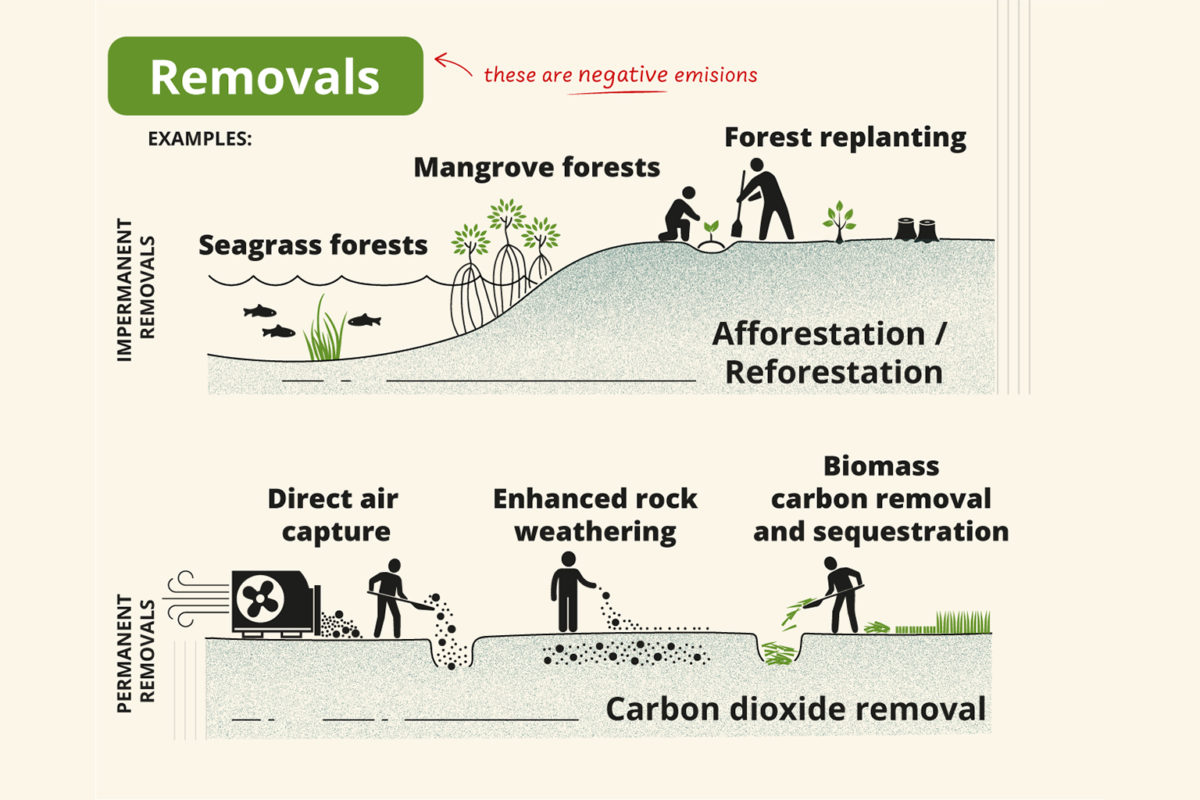
- Project Type: Different project types, such as reforestation or renewable energy, carry different levels of risk.
- Protocol and Methodology: The specific protocol and methodology used to measure and verify carbon reductions can significantly impact offset quality.
- Location and Siting: The location of a project can influence its potential for carbon reductions and other associated risks.
- Technology and Innovation: The use of emerging technologies or innovative approaches can increase the risk associated with a project.
- Monitoring, Reporting, and Verification (MRV): The quality of MRV measures in place can significantly impact the accuracy of carbon reduction claims.
Best Practices for Conducting a Carbon Offset Project Risk Assessment
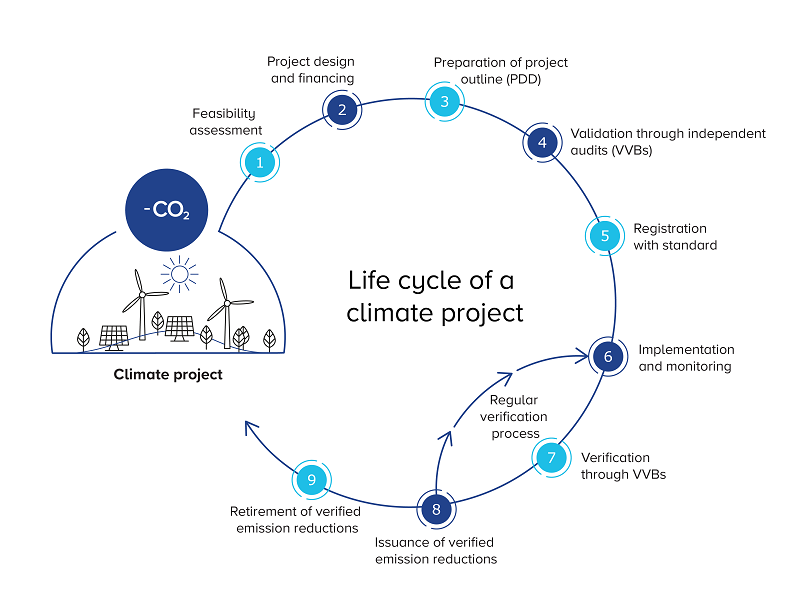
To conduct a thorough carbon offset project risk assessment, follow these best practices:- Review Project Documents: Carefully review project documents, including the project proposal, protocols, and methodologies.
- Assess Project Team Expertise: Evaluate the experience and qualifications of the project team, including their ability to develop and implement best practices.
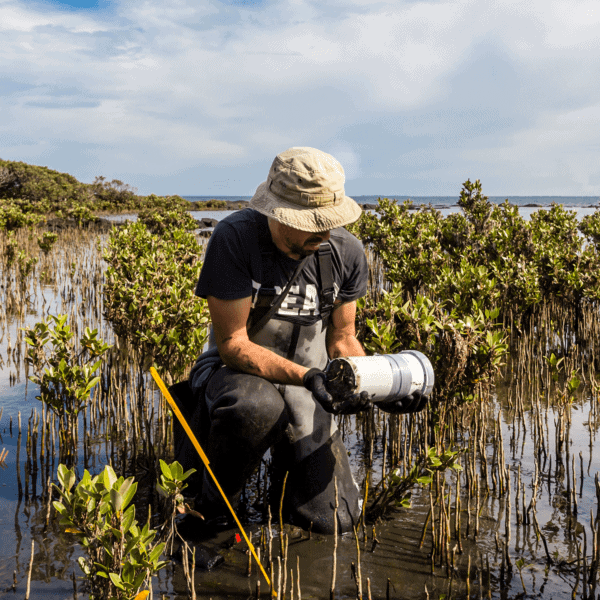
- Conduct Due Diligence: Perform thorough due diligence on the project, including site visits and data analysis.
- Evaluate Offset Quality: Assess the project's offset quality using the factors mentioned above.
- Consider Market and Regulatory Risks: Evaluate the potential impact of market and regulatory changes on the project's viability.